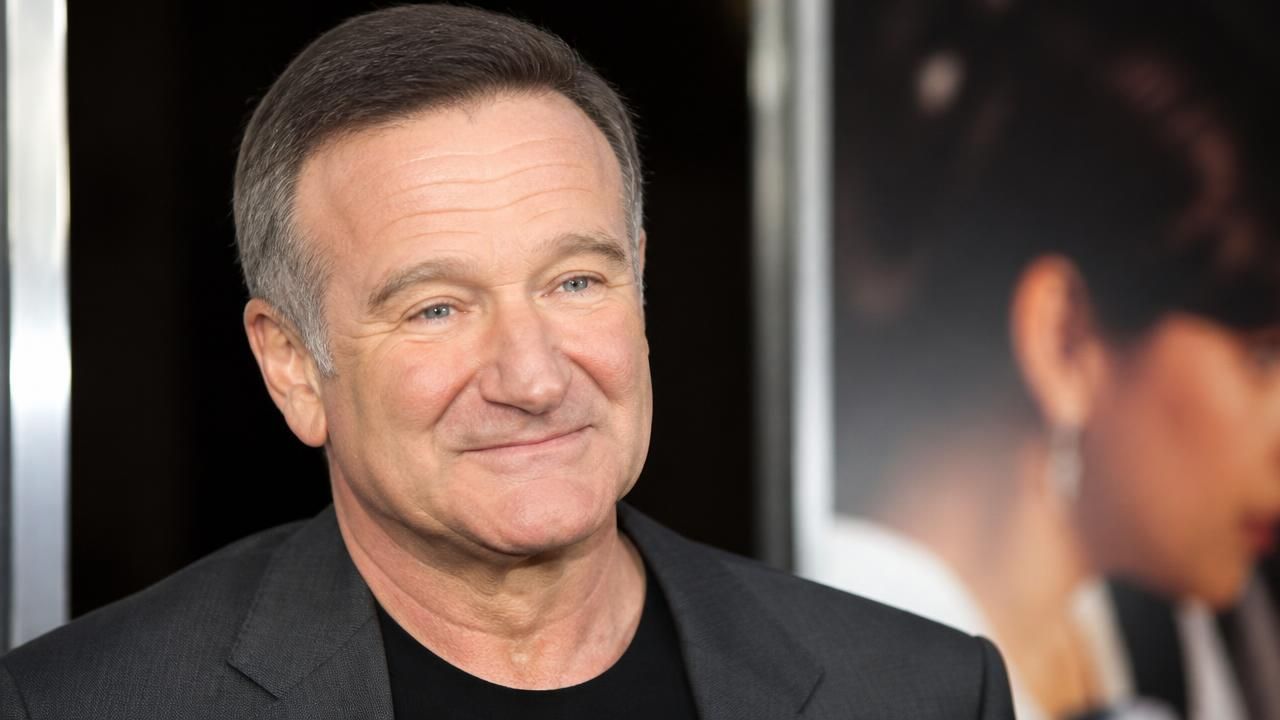
More than a decade after Robin Williams' death, his children have stepped in to reclaim his digital legacy. On Tuesday, Zak, Zelda, and Cody Williams announced they are reviving the late actor's Instagram account, transforming it into a curated space meant to protect his memory from what they describe as “rampant AI abuse.”
The move, first reported by The Wrap and covered extensively by outlets including The Verge, Variety, and BBC, comes after years of unauthorized AI-generated videos, voice recreations, and deepfakes featuring the beloved comedian and actor. His daughter Zelda Williams has been particularly vocal, calling such content “disturbing,” “gross,” and “disgusting.” Now, the family is taking direct action.
A Safe, Trusted Place
In a joint statement posted to the newly revived Instagram account, the Williams siblings wrote that they want the page to remain “a safe, trusted place where the stories, photos, videos, and memories shared reflect his legacy with authenticity, warmth, and care.” The post signals a deliberate shift from passive memorial to active guardianship.
“As technology evolves, we want this to be a safe, trusted place,” the family wrote, echoing a sentiment that has become increasingly urgent in the age of generative AI.
The account, which had been dormant since Robin Williams' death in August 2014, will now serve as an official family-curated archive. According to a follow-up story on Zelda Williams' own Instagram, the revival is intended to combat the proliferation of AI-generated content that misrepresents her father’s voice, image, and personality.
Zelda's Long-Standing Fight
Zelda Williams has been at the forefront of this battle. In recent weeks, she took to social media to plead with fans to stop sending her AI videos of her late father. “It’s not what he’d want,” she wrote, according to the New York Post. She also described the creations as “gross” and “disturbing,” and expressed particular dismay at AI recreations of his voice, saying, “I find it personally disturbing.”
The emotional toll was evident when she later apologized for what she called a “triggering” post, acknowledging that the conversation around AI and grief is complicated. Yet she remained firm in her stance, urging fans to “just stop doing this to him.”
The Broader AI Debate
The Williams family’s move is part of a larger cultural reckoning with AI’s ability to resurrect the dead. From deepfake videos to voice cloning, celebrities and their estates are grappling with how to protect their likenesses in an era where digital impersonation is increasingly realistic and accessible.
The issue extends beyond Robin Williams. Recently, actress Lisa Kudrow publicly criticized Tom Hanks’ new film, accusing it of being “an endorsement of AI” for its use of digital de-aging technology. Meanwhile, Disney faced renewed scrutiny over its use of archival recordings to recreate Williams’ voice as the Genie in a new short, a decision that some fans saw as contradicting the actor’s own wishes regarding posthumous performances.
These incidents highlight a growing tension between technological possibility and ethical responsibility. Artists, unions, and legislators are debating whether AI-generated likenesses should require consent from estates and what limits should be placed on their use.
Protecting a Legacy
For the Williams family, the Instagram revival is both a personal and principled act. By taking control of the platform, they can highlight authentic moments from Robin Williams’ life—his stand-up specials, behind-the-scenes clips, family photos, and charitable work—rather than allowing algorithmically generated imitations to define his memory.
In their statement, the siblings emphasized that the account will be a “living archive,” one that reflects the warmth and humanity their father embodied. They also invited fans to share their own memories, fostering a community of remembrance grounded in reality.
What This Means for Fans
For fans who have followed Robin Williams’ career, the revived account offers a reliable source of authentic content. It also serves as a reminder that grief in the digital age requires new forms of stewardship. As one source noted, the family is “protecting his online legacy,” ensuring that the man, not the machine, is remembered.
The account’s revival also raises broader questions about who has the right to control a deceased person’s digital footprint. While some estates license likenesses for commercial purposes, the Williams family has chosen a more protective route, using the platform to push back against what they see as exploitation.
Different Frames, One Message
Coverage of the story has varied in tone. The Verge framed it as a fight against “AI abuse,” while Variety highlighted the family’s desire to establish a “safe, trusted place.” The BBC focused on Zelda’s plea to stop sending AI videos, and outlets like Deadline and IGN emphasized her “disturbing” reaction to voice recreations. Despite these differing angles, the underlying narrative remains consistent: the Williams family is determined to protect their father’s legacy from technological exploitation.
As AI continues to evolve, the Williams’ action may set a precedent for how other estates handle similar challenges. It also serves as a powerful reminder that behind every digital avatar, there is a real person—and a real family mourning their loss.
How to Follow
Those wishing to engage with the Williams family’s tribute can find the account under Robin Williams’ original Instagram handle. The family promises regular updates, curated memories, and a respectful space for fans to celebrate the life of a comedy legend.
In the meantime, Zelda Williams’ message remains clear: admire the man, not the algorithm. “Just stop doing this to him,” she wrote. “Let him be.”