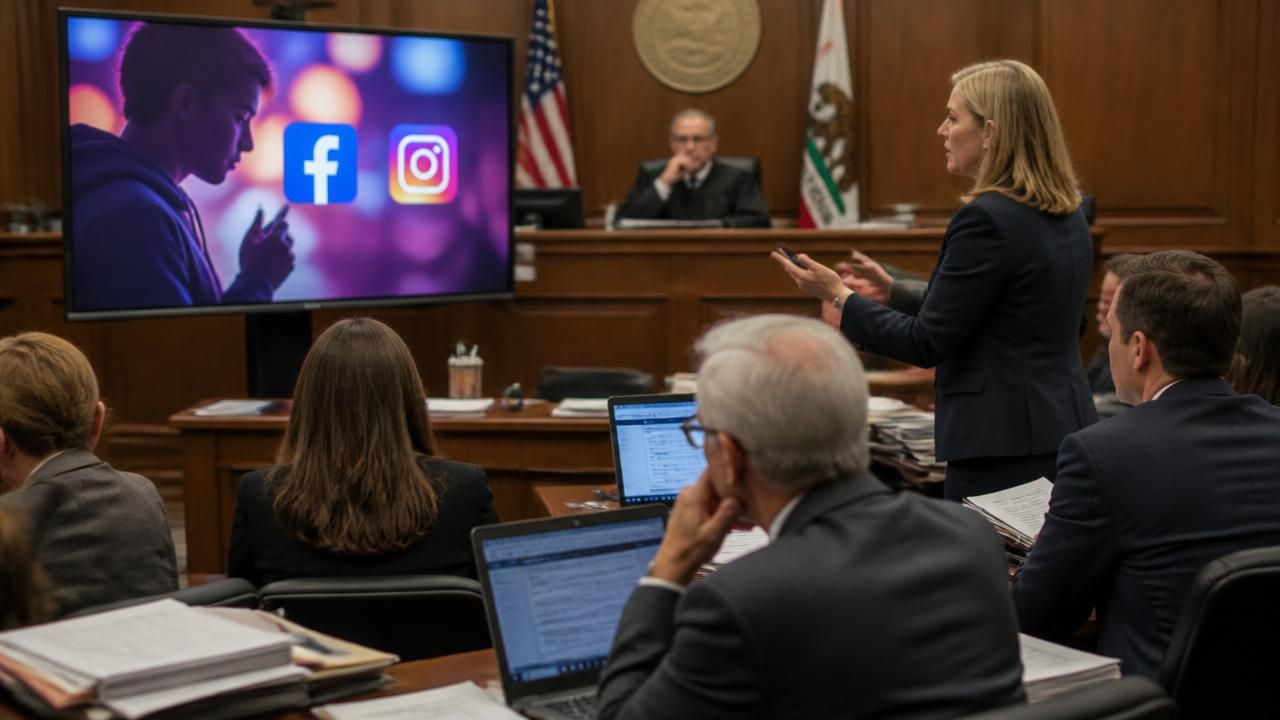
Opening arguments kicked off Monday in a federal courtroom in Oakland, California, in what legal experts call the first major state-led trial against a social media company over youth safety. Four states are suing Meta, the parent company of Facebook and Instagram, accusing the tech giant of knowingly designing features that addict minors—and then lying to the public about it.
In dramatic statements to the jury, attorneys for the states argued that Meta's internal research long showed the harmful effects of its platforms on children, yet the company continued to prioritize engagement and advertising revenue over child safety. "Profits won," one lawyer said, summarizing the company's mindset.
Who Is Suing and Why
The coalition of states—whose attorneys general have not been individually named in early reports but represent a broader group of bipartisan officials—filed the lawsuit under consumer protection laws, alleging deceptive practices and unfair business conduct. They claim Meta's algorithms were deliberately engineered to maximize the time young users spend on Instagram and Facebook, using variable rewards, social validation loops, and push notifications that target children during vulnerable hours.
The lawsuit contends that Meta concealed its own research showing increased rates of depression, anxiety, and body-image issues among teen users. A whistleblower in 2021, former Meta employee Frances Haugen, leaked internal documents that suggested the company was aware of these risks but chose to ignore them to sustain growth.
What's at Stake
Forbes reports that the trial could result in substantial financial penalties and, more importantly, court-ordered changes to Meta's platforms. Potential remedies include:
- Requiring Meta to disable addictive features for users under 18
- Implementing more robust parental controls and age verification
- Mandating independent audits of safety measures
- Ordering the company to fund youth mental health programs
Legal analysts say a verdict against Meta could open the floodgates for more than 200 similar lawsuits filed by school districts and other states across the country. "This is a pivotal moment," noted one law professor studying technology liability. "If the plaintiffs win, it will set a precedent that platforms can be held responsible for the design choices that harm children."
Meta's Defense
Meta has denied the allegations, arguing that its platforms have built-in safety features such as time limits, screentime notifications, and default privacy settings for minors. In pre-trial filings, the company contended that social media's relationship with teen mental health is complex and not causally proven. Meta also points to its collaborations with child safety organizations and the many tools it has rolled out since 2021 to address parental concerns.
During jury selection and opening statements, Meta's attorneys emphasized that the company cannot be held liable for the actions of its millions of users, and that the states are trying to blame a technology that parents and guardians ultimately control.
Different Framings in the Media
The coverage of the trial from different outlets reveals contrasting narratives. NPR focused on the core accusation of deception, titling its report "'Profits won.' The child safety trial against Meta kicks off in federal court," highlighting the emotional weight of the opening arguments. Forbes took a more business-oriented angle, asking "What's At Stake" and examining the financial and regulatory consequences for Meta. MSN, meanwhile, used language like "They hid the truth" and "pivotal kids' safety trial," framing the case as a moment of accountability for a company that has long faced public scrutiny over its impact on young people.
These differing angles show how the trial is being perceived not just as a legal battle, but as a referendum on Big Tech's responsibility toward its most vulnerable users. For parents, it is about protecting children. For shareholders, it is about regulatory risk. For the broader industry, it is about the limits of algorithmic manipulation.
Historical Context
The trial follows years of congressional hearings, investigative journalism, and internal whistleblower disclosures. In 2017, former Facebook executives publicly criticized the platform's "exploitative" notification tactics. In 2020, a Netflix documentary, The Social Dilemma, drew widespread attention to the psychological harms of social media. Then, in 2021, the Facebook Papers—leaked internal documents—showed that Instagram's own research found it worsened body-image issues among one in three teenage girls.
Meta has previously paid fines for privacy violations, including a $5 billion FTC settlement in 2019, but the company has never faced a civil trial over childhood harm. This case is different because it relies on internal company documents and testimony from former employees, which could prove that executives deliberately misled the public.
What Could Happen Next
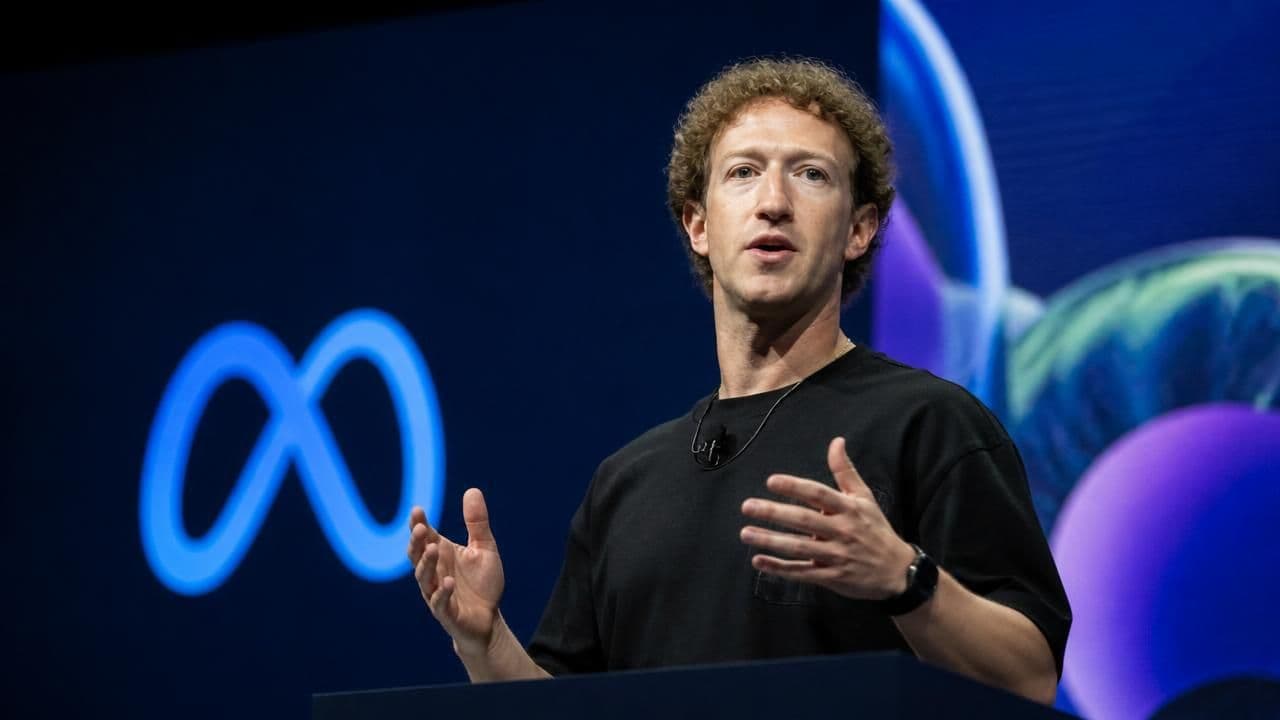
The trial is expected to last several weeks, with testimony from current and former Meta engineers, design researchers, and executive leadership. In a notable twist, the court has allowed internal communications to be entered into evidence, which could include emails and chat messages from CEO Mark Zuckerberg and other top officials.
Regardless of the outcome, the trial has already shifted the national conversation. It underscores growing consensus that platforms need stricter regulation—whether through internal reforms, state legislation, or federal law. As one child-safety advocate told reporters outside the courthouse, "Today, we finally get to see inside the black box. The question is whether a jury will believe that profits truly won."
The verdict, when it comes, will resonate far beyond this case. It will signal whether courts are willing to hold tech giants accountable for the design choices that shape the mental health of an entire generation.