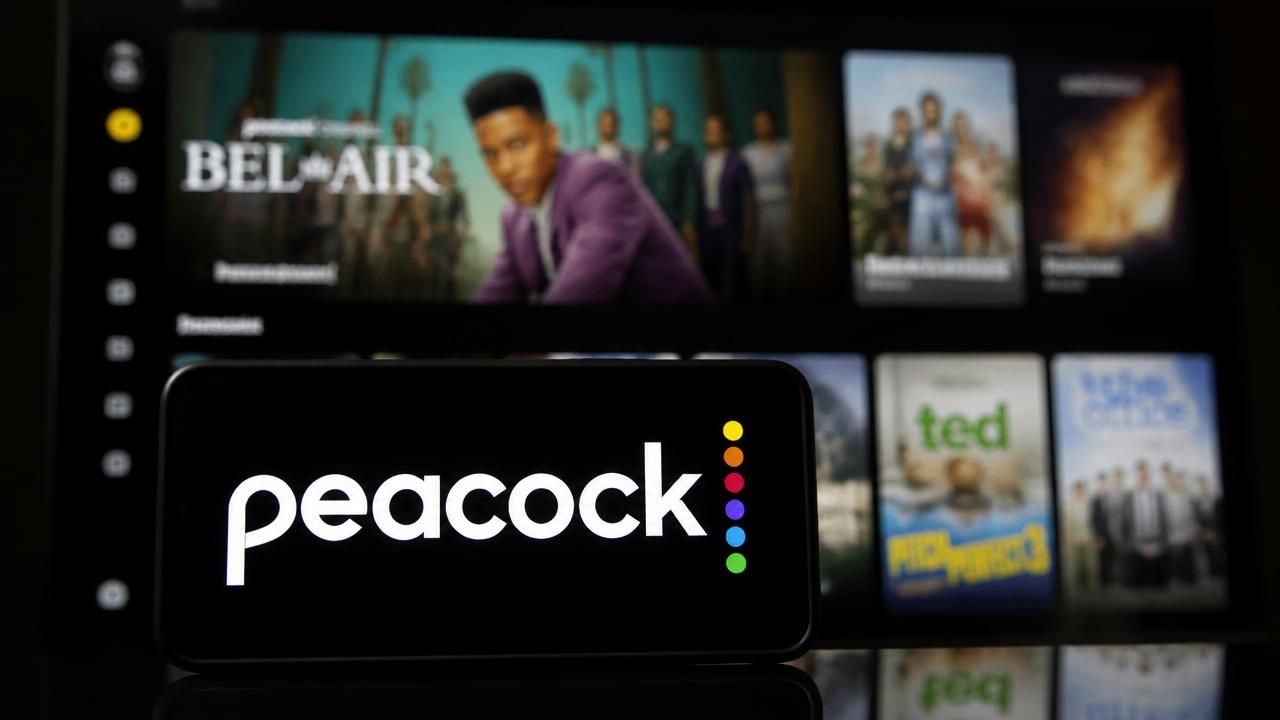
In a move that underscores the shifting economics of the streaming industry, NBCUniversal's Peacock has announced its fourth price increase in four years — a decision that arrives just after the service reported its first profitable quarter ever. The new rates, which take effect immediately for new subscribers and on upcoming billing cycles for existing ones, represent a measured but persistent escalation in the cost of streaming entertainment.
Under the revised pricing, Peacock's entry-level Select plan — which includes ads but excludes live sports, blockbuster movies, and original series — rises from $8 to $9 per month. The ad-supported Premium tier (formerly known as Premium) jumps from $11 to $13 monthly, while the ad-free Premium Plus plan climbs from $17 to $20 per month. Annual subscribers, as before, receive 12 months for the price of 10, softening the annual increase slightly.
A pattern of steady hikes
This is the fourth consecutive year Peacock has raised its prices. In July 2025, the company increased the ad-supported tier from $8 to $11 and the ad-free tier from $14 to $17. Prior to that, hikes occurred in July 2024 and August 2023. When the service launched in 2020, it entered a crowded market with aggressively low introductory pricing—a strategy that helped it gain early subscribers but proved unsustainable as content costs ballooned.
The latest increase is notable not only for its timing but for the context: Peacock announced in its parent company's earnings report that it had finally turned a quarterly profit, a milestone executives framed as validation of the platform's strategic direction. Yet the very same report contained the price hike announcement, raising questions about whether profitability can be maintained and how much consumer tolerance remains for escalating subscription fees.
Why streaming prices keep rising
Peacock's moves are far from unique. Across the industry, streaming services ranging from Netflix and Disney+ to Max and Paramount+ have implemented repeated price increases over the past few years. The LA Times, in a recent analysis, highlighted several structural factors driving this trend:
- Surging content costs: Production budgets for prestige dramas, blockbuster films, and live sports rights continue to skyrocket. Exclusive and original programming remain the primary differentiators in a competitive landscape.
- The shift from growth to profitability: After years of prioritizing subscriber growth over revenue, Wall Street now demands that streaming services generate actual profits. That means raising prices as a quick lever.
- Cord-cutting economics: As traditional cable TV subscribers decline, streaming services must capture more revenue per household to justify their astronomical content investments.
- Inflation and operational expenses: Like all businesses, streamers face rising costs in everything from server infrastructure to marketing.
Analysts note that streaming prices are still bundled into the broader entertainment budget. For consumers, the cumulative cost of subscribing to multiple services now approaches that of the cable packages many hoped to escape. A household with Peacock, Netflix, Disney+, and Max could easily spend over $70 per month—before any premium tiers or sports add-ons.
The profitability paradox
“Peacock’s first profitable quarter is a turning point, but it also signals that the era of cheap streaming is definitively over,” said one industry analyst in the earnings call. “The challenge will be sustaining profitability without alienating price-sensitive subscribers who have alternatives.”
That paradox was on full display in the earnings release. Comcast (NBCUniversal's parent) touted Peacock's financial turnaround while simultaneously announcing the price hike—a pairing that suggests the company believes strong original content and live sports events give it pricing power. Peacock has invested heavily in exclusive NFL and Big Ten football broadcasts, which have become a key driver of subscriber acquisition.
However, the recent increases could test subscriber loyalty. Customer churn in streaming has risen sharply since 2022, with users increasingly willing to cancel and re-subscribe to different services based on content catalogs. Peacock’s mid-tier Premium plan, at $13 per month, now sits within $2 of Netflix’s standard ad-supported plan and $2 above Disney+'s ad-free tier. The competitive dynamics are tight.
What this means for consumers
For existing Peacock subscribers, the price hike will appear on next month's bill, though annual subscribers locked in at old rates will see the increase upon renewal. New subscribers face the higher rates immediately. The Select plan’s rise to $9 keeps it in the bargain tier, but it has notable limitations—no sports, no movies, and no Peacock originals—making it a less compelling entry point than it was at $8.
The broader takeaway is that the streaming industry has entered a maturity phase. The race for subscribers has given way to a race for profitability, and consumers are bearing the brunt. As executives at Peacock and its rivals continue to test pricing thresholds, the days of sub-$10 streaming bundles appear numbered.
In the meantime, consumers may need to become more strategic—rotating subscriptions, sharing accounts (where permitted), or choosing annual plans to mitigate the sting of quarterly price jolts. For Peacock, the bet is that live sports and popular shows like Poker Face and The Traitors will keep subscribers hooked, even as the monthly bill creeps ever upward.
Whether that bet pays off will become clearer in the coming quarters, as the industry watches to see if Peacock’s fourth price hike in four years is a sustainable growth tactic or a miscalculation that pushes viewers to greener pastures.