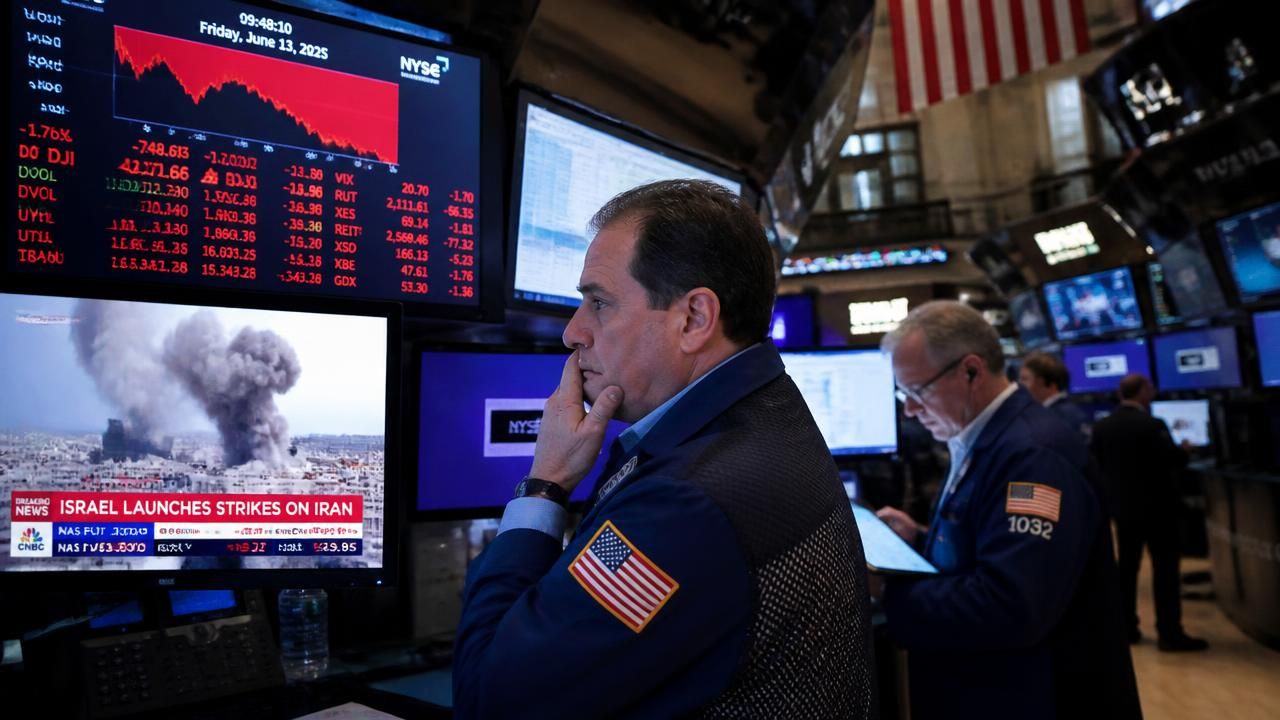
Global financial markets are enduring one of their most turbulent stretches of the year as escalating conflict between the United States and Iran sends oil prices to $100 a barrel, reignites inflation fears, and triggers sharp swings across stocks, bonds, and currencies. The whiplash has been unmistakable: reports of a truce extension briefly lifted Wall Street, only for the expiry of the ceasefire and fresh strikes to send Asian stocks and bonds back into the red.
Oil at $100 and the Inflation Spiral
Oil surged past $100 a barrel following US strikes on Iranian targets and the expiration of a ceasefire, raising fears of supply disruptions in the world's most important energy region. Brent crude, the global benchmark, eased on reports of a US-Iran truce extension, according to Reuters, but the relief proved short-lived. "War uncertainty is high," one market strategist noted, and prices resumed their climb as the conflict showed no sign of abating.
"The key risk is a sustained spike in oil prices, which would act as a tax on consumers and complicate central banks' fight against inflation."
That warning, echoed by Allianz Global Investors in its assessment of the strikes, underscores the dilemma now facing policymakers. Higher energy costs feed directly into consumer prices, and with inflation already above targets in the US and elsewhere, a prolonged surge could force central banks to keep interest rates higher for longer.
Bond Market Turmoil
Treasuries extended recent declines, with Asian bonds following suit, as concerns over US government spending and a flood of long-dated debt weighed on sentiment. Bond yields climbed, reflecting both inflation fears and a supply glut. The move was described by Bloomberg as a "tug-of-war" between inflation and growth, with traders caught between the impact of higher oil prices and the risk of an economic slowdown.
In Asia, Indian bonds were initially set to rally on hopes of a Mideast peace deal, but those hopes faded as the ceasefire expired. Japan's yen weakened after the Bank of Japan raised interest rates, adding to the global divergence in monetary policy. The dollar, meanwhile, gained strength as investors sought safe-haven assets, with gold also rallying at times, though its gains were capped by rising yields.
Equity Selloff and Tech Disruption
Stock markets around the world retreated. Wall Street ended lower on inflation worries, with technology shares leading the decline. The sector has become particularly sensitive to rising bond yields, as future earnings are discounted at higher rates. Nvidia earnings were in focus as Asian stocks extended losses, and investors also mulled the potential disruptive impact of AI, according to Reuters.
The volatility was acute in Asia. The Kospi jumped as much as 6% on one day as chipmakers rebounded, but those gains were quickly eroded as oil prices resumed their climb. "Everything except crude oil and the US dollar was in decline," one market commentator observed, capturing the broader risk-off mood. The CNN headline put it starkly: "The world's most important market is flashing red about the Iran war."
Safe Havens and the Dollar
The US dollar has been a clear beneficiary of the turmoil, rallying against most major currencies. Gold rose initially on a weaker greenback but later slipped as Treasury yields firmed and oil prices remained elevated. The mixed action in havens reflects the unusual nature of this crisis, where both inflation and geopolitical risk are driving prices.
Bond yields have become a focal point for investors. A spike in long-term Treasury yields can pull capital away from equities and into fixed income, and this week's moves have been no exception. "Bond traders are caught in an inflation-growth tug-of-war," noted a market analyst, as they try to price in the fallout from the Middle East conflict while also anticipating the next moves from the Federal Reserve.
What's Next? CPI, Fed Minutes, and Earnings
Investors now have a packed calendar that could set the tone for the coming weeks. The US Consumer Price Index (CPI) report is due, and any upside surprise would reinforce the case for tighter monetary policy. The Federal Reserve's minutes from its latest meeting will be scrutinized for clues on how officials view the recent oil spike. Meanwhile, Nvidia's earnings will test the resilience of the tech trade, which has been a key driver of equity markets.
The immediate trajectory depends heavily on the geopolitical front. A truce extension could bring some relief to oil prices and calm markets, but the risk of further escalation remains high. "The market is very sensitive to every headline out of the Middle East," one trader said. "Until there's a clear resolution, volatility is likely to continue."
For now, the global economy faces a delicate balancing act. Rising oil prices threaten to push inflation higher and undermine growth, while central banks are caught between containing price pressures and avoiding a downturn. The next few days will be pivotal as investors parse data and headlines for direction.