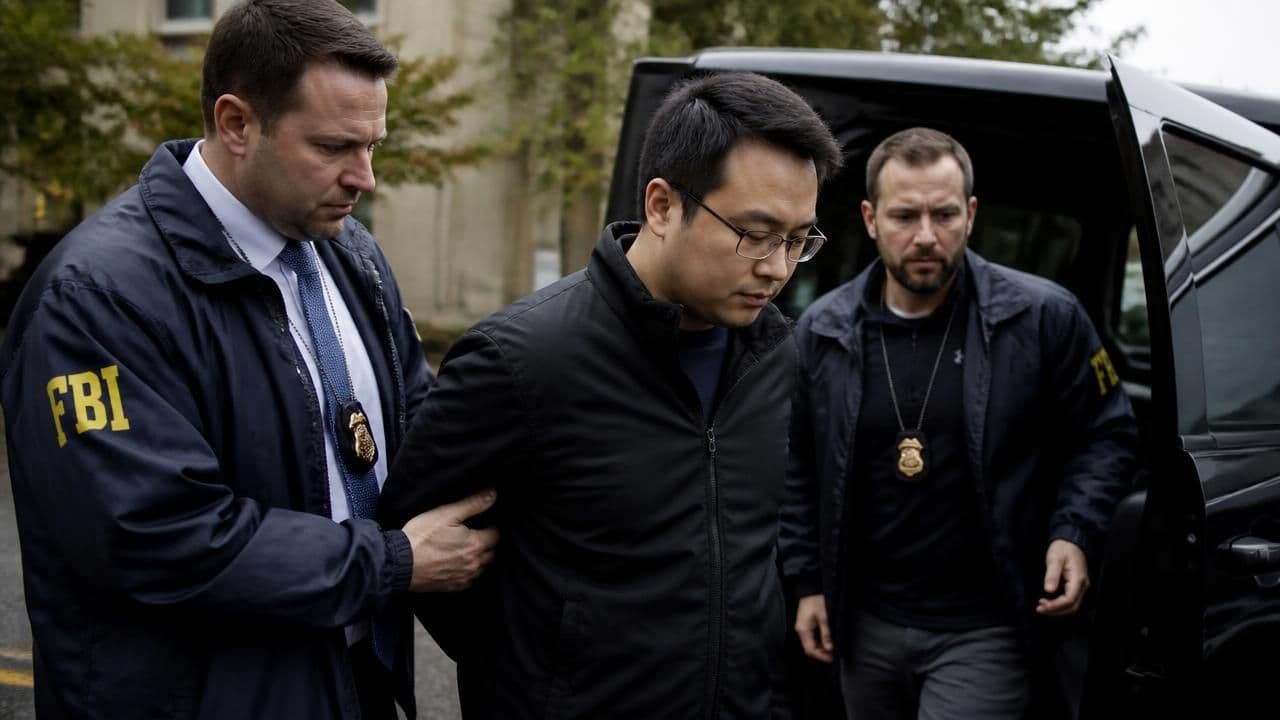
A federal appeals court has rejected the Trump administration's strategy of leaving interim U.S. attorneys in place to circumvent Senate confirmation, marking the second appellate decision to take issue with the practice. The ruling, reported by The New York Times, directly challenges a custom that critics say allowed the administration to install loyalists without congressional approval.
The decision comes amid a broader wave of judicial pushback against executive actions, with Politico reporting that more than 220 federal judges have now rejected the administration's mass detention policies. Legal experts see the ruling as part of a larger conflict between the White House and the judiciary over the limits of presidential power.
A Loyalist's Unlawful Tenure
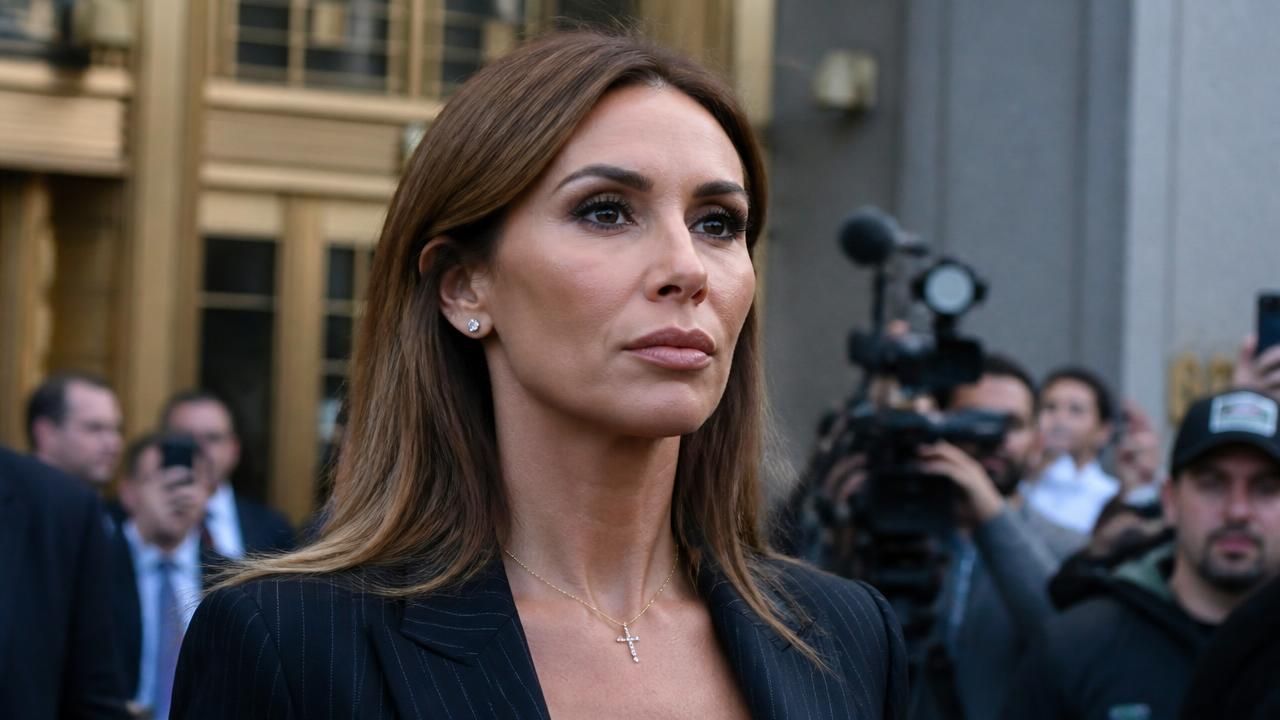
At the center of the controversy is Alina Habba, a former Trump lawyer who was installed as U.S. attorney for New Jersey. A federal judge ruled this week that Habba was “unlawfully” holding the office, ordering her to explain why she had retained the title. The judge's decision, covered by Politico, forced Habba to step down shortly thereafter, as reported by NorthJersey.com.
The case illustrates the administration's approach to bypassing the Senate's advice-and-consent role. Rather than nominating permanent U.S. attorneys, the administration left interim prosecutors in place indefinitely, a tactic that has now drawn rebukes from multiple appellate courts.
“This is not about legal technicalities; it's about the fundamental balance of power,” said a legal analyst quoted by The Atlantic. “The administration is testing how far it can stretch executive authority before the courts push back.”
Emil Bove and the Defiance of Court Orders
The unrest extends to judicial nominations. Sen. Adam Schiff has urged Senate Republicans to reject the nomination of Emil Bove, a Trump loyalist, warning of threats to the rule of law. Internal Justice Department messages, obtained by Politico, bolster claims that Bove spoke of defying court orders, raising alarms among senators on both sides of the aisle.
Meanwhile, Todd Blanche, another former Trump attorney, has emerged as the president's pick for acting attorney general. Described in a New York Times profile as a “business-friendly” lawyer who rose from lobbyist to the top of the Justice Department, Blanche's nomination has reignited debates over the politicization of federal law enforcement.
Ongoing Legal Setbacks
The judicial pushback is not limited to appointments. In the hush money case, a New York appeals judge rejected Trump's request to delay his April 15 trial, and a lower court judge appeared skeptical of the latest bid to overturn his conviction. The Manhattan case, which stems from payments made during the 2016 campaign, remains a central legal threat to the president.
In a separate civil fraud case, a divided appellate court eliminated Trump's half-billion-dollar fine, a major victory for the president, though the underlying verdict still stands. The decision, reported by The New York Times, underscores the unpredictability of the legal landscape Trump faces.
Adding to the mix, the California Supreme Court ordered the disbarment of John Eastman, the lawyer who helped devise the plan to overturn the 2020 election. The ruling, noted in a Facebook post by a major news outlet, strips Eastman of his law license and serves as a warning to other attorneys who aided the effort.
A Broader Confrontation
The administration's legal strategy has also reached the Supreme Court. In a temporary ruling, the Court allowed the administration to curtail food stamp funding, but the decision was narrow and left larger questions unresolved. Meanwhile, the Justice Department itself is under scrutiny: New Mexico has accused the DOJ of obstructing an inquiry into Jeffrey Epstein's ranch, according to The New York Times.
Perhaps most striking is the immunity argument put forth by Trump's lawyer in federal court, who asserted that the president could “shoot someone in public and escape prosecution.” The statement, reported by USA Today, crystallizes the administration's expansive view of executive power, a stance that has fueled fears among legal scholars.
The View from Multiple Outlets
Coverage of these developments varies widely. The New York Times has focused on the legal mechanics of the U.S. attorney appointments and the ethical questions surrounding loyalists. Politico has emphasized the sheer number of judges rejecting administration policies, framing it as a systemic rebuke. The Atlantic argues that the scandal is about something much deeper than legal technicalities: a fundamental test of whether the rule of law will hold.
Vox, meanwhile, has highlighted how the administration's legal maneuvers are supercharging immigration enforcement, suggesting that the rejection of interim appointments could have immediate consequences for ICE operations. This interconnection between legal strategy and policy outcomes makes the current moment particularly volatile.
What Comes Next
With multiple criminal and civil cases pending, the AP's tracker shows that Trump remains entangled in legal battles on several fronts. The appeals court ruling on U.S. attorneys may force the administration to submit nominees for Senate confirmation, a process that could expose allies to public scrutiny. Habba's departure from New Jersey may set a precedent for other districts where loyalists hold interim posts.
For the judiciary, the message is clear: the courts are willing to enforce constitutional norms even when it means confronting the executive. Whether this resistance holds will depend on how the administration responds, and whether the Senate exercises its oversight role.
As these battles unfold, one thing is certain: the relationship between the White House and the judiciary has entered uncharted territory, with each side testing the limits of its power. The coming months will determine not only Trump's legal fate, but also the durability of America's legal institutions.