On March 11, 2011, a magnitude 9.0 earthquake struck off the coast of Tōhoku, Japan, unleashing a catastrophic tsunami that killed nearly 18,000 people and triggered the Fukushima Daiichi nuclear meltdown. More than a decade later, Japan's response to that triple disaster—and its continued investments in preparedness—offers both a cautionary tale and a model for the world. As one New York Times report observed after a recent 6.8-magnitude earthquake in Kumamoto, the country managed to avert a major disaster thanks to quake-proof buildings and infrastructure. But the legacy of 2011 is far more complex.
The Day That Shook Japan
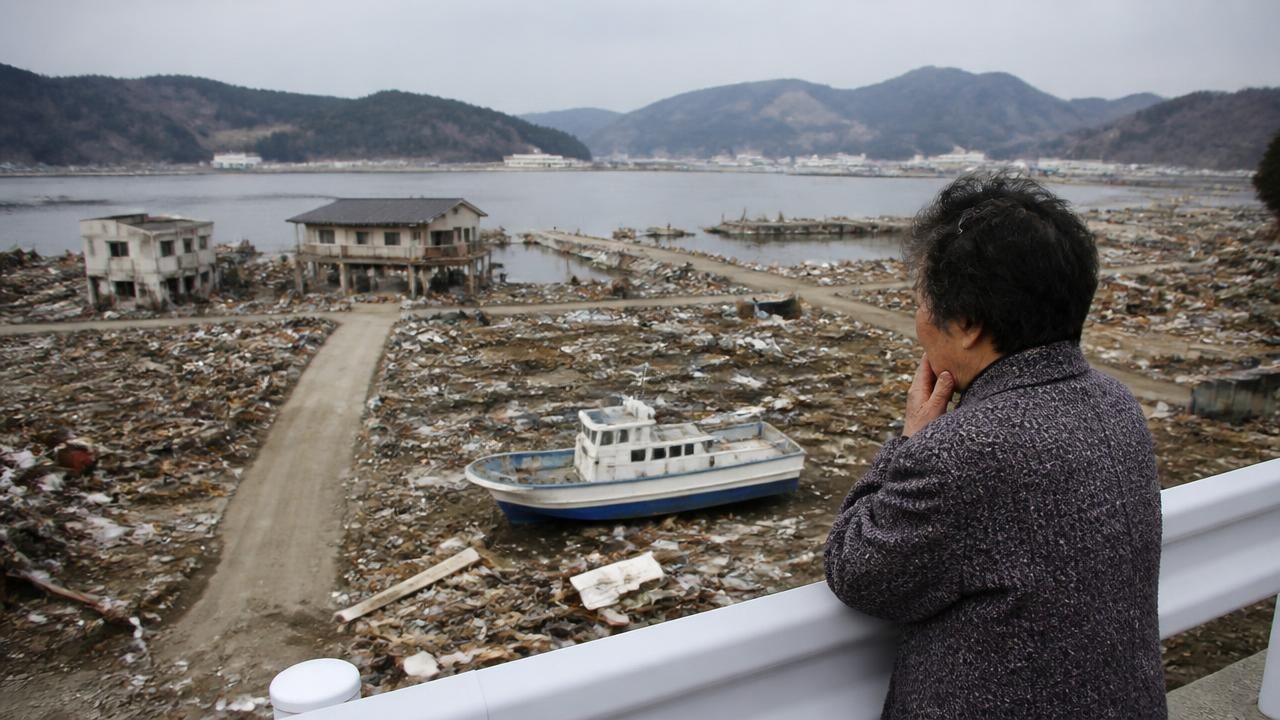
The Tōhoku earthquake was the most powerful ever recorded in Japan, shifting the Earth's axis and shortening the length of days by a fraction of a second, as National Geographic noted. The ensuing tsunami swept away entire communities, with harrowing images of black water swallowing cars, homes, and ships. The Guardian quoted then-Prime Minister Naoto Kan calling it "Japan's worst crisis since the second world war." Amid the chaos, engineers raced to repair a major road destroyed by the quake—and succeeded in just six days, a feat that became a symbol of Japanese tenacity.
Global Preparedness Saved Lives
While the tsunami claimed thousands, experts credit global preparedness systems with preventing an even larger tragedy. The Guardian's briefing highlighted how tsunami warning networks and international cooperation helped reduce casualties in other Pacific nations. Japan's own early-warning systems, regularly drilled from a young age, gave residents precious minutes to flee. According to Brookings, on-the-ground recovery efforts in Japan emphasized the importance of social cohesion and local governance in coping with disaster—lessons echoed in post-quake rebuilding strategies from New Zealand to Chile.
The Fukushima Nuclear Crisis: A Preventable Catastrophe?
The Fukushima Daiichi plant became the epicenter of a nuclear emergency that no amount of earthquake engineering could have prevented—because the initial quake did not cause the meltdowns; the tsunami did. TEPCO, the plant's operator, later admitted that the disaster could have been avoided if known risks had been addressed. The Bulletin of the Atomic Scientists spotlighted the nearby Onagawa plant, which survived the tsunami thanks to a higher seawall and robust design—proof that better engineering saves lives. Nippon.com pays homage to Yoshida Masao, the plant manager who risked his life to cool the reactors, calling him "the man who saved Japan." Yet the official investigation revealed systemic governance failures, as Brookings detailed, and the acquittal of TEPCO executives in a criminal trial left many feeling justice was not served.
Nuclear Power's Difficult Return
In the aftermath, Japan shut down all its reactors. But as energy costs soared and climate commitments loomed, the government has slowly restarted some plants, including the one closest to the 2011 epicenter, as reported by the Japan Times. This move remains deeply controversial. North Korea has used Japan's nuclear ambitions to justify its own weapons program, while experts in PreventionWeb argue that safety remains nuclear power's greatest challenge. The debate over whether Japan should rely on nuclear energy or invest wholly in renewables continues to shape its energy policy.
Building Back Better—But What About the Seawalls?
Japan has spent billions constructing massive seawalls along its northeastern coast, but critics question whether they are the new Maginot Line—a costly defense that may fail against extreme events. The Asia-Pacific Journal asks whether these barriers create a false sense of security. Meanwhile, in Kumamoto, recent quakes demonstrated that Japan's building codes—developed after the 1995 Kobe earthquake killed 6,000 people—are highly effective. Modern structures flex and absorb seismic energy, and a Colombian city that adopted similar designs reportedly avoided any deaths in a recent tremor. The challenge is adapting these successes to older buildings and infrastructure, particularly in rural areas.
The Road to Recovery: Tenacity and Innovation
Brookings scholars stress that recovery is not just about rebuilding structures but about restoring livelihoods and community trust. Japan's "triple disaster" exposed weaknesses in crisis communication and coordination, but the nation has since reformed its disaster management laws and created a dedicated ministry. The rapid repair of that highway, the reopening of ports, and the resilience of local businesses all testify to what one report called "tenacity, a wall saved a Japanese nuclear plant"—a reminder that human determination can be as critical as concrete.
What the World Can Learn
As climate change amplifies natural hazards, Japan's experience offers a roadmap for disaster-prone nations. The key takeaways are clear:
- Invest in early warning systems and public education. Japan's drills and text alerts are credited with saving countless lives.
- Enforce strict building codes. Seismic-resistant design is the single most effective way to reduce earthquake casualties.
- Plan for cascading failures. The Fukushima disaster showed that a natural event can trigger technological and economic shocks; supply chains must be hardened.
- Foster local leadership. The officials and workers who acted heroically on March 11 were not bureaucrats—they were neighbors and engineers making split-second decisions.
- Acknowledge uncertainty. No wall or code can guarantee safety. Infrastructure must be adaptive, and risk assessments must be continuously updated.
The New York Times might frame Japan's story as one of successful preparation, but the Guardian and Brookings remind us that governance and social trust are just as important. As Japan continues to recover, it also faces new threats—from El Niño to the nuclear threat from North Korea. The world is watching.
Conclusion: A Blueprint for Resilience
Japan has not become immune to disasters—it has become better at confronting them. The 6.8-magnitude Kumamoto quake caused damage but few deaths, a stark contrast to similar tremors elsewhere. The lesson is not that all disasters can be prevented, but that their worst effects can be mitigated through foresight, investment, and a culture of preparedness. As experts from Bangladesh to Colombia call for "immediate action" to avert earthquake catastrophes, Japan's example remains the most powerful evidence that resilience is a choice—and a wise one.