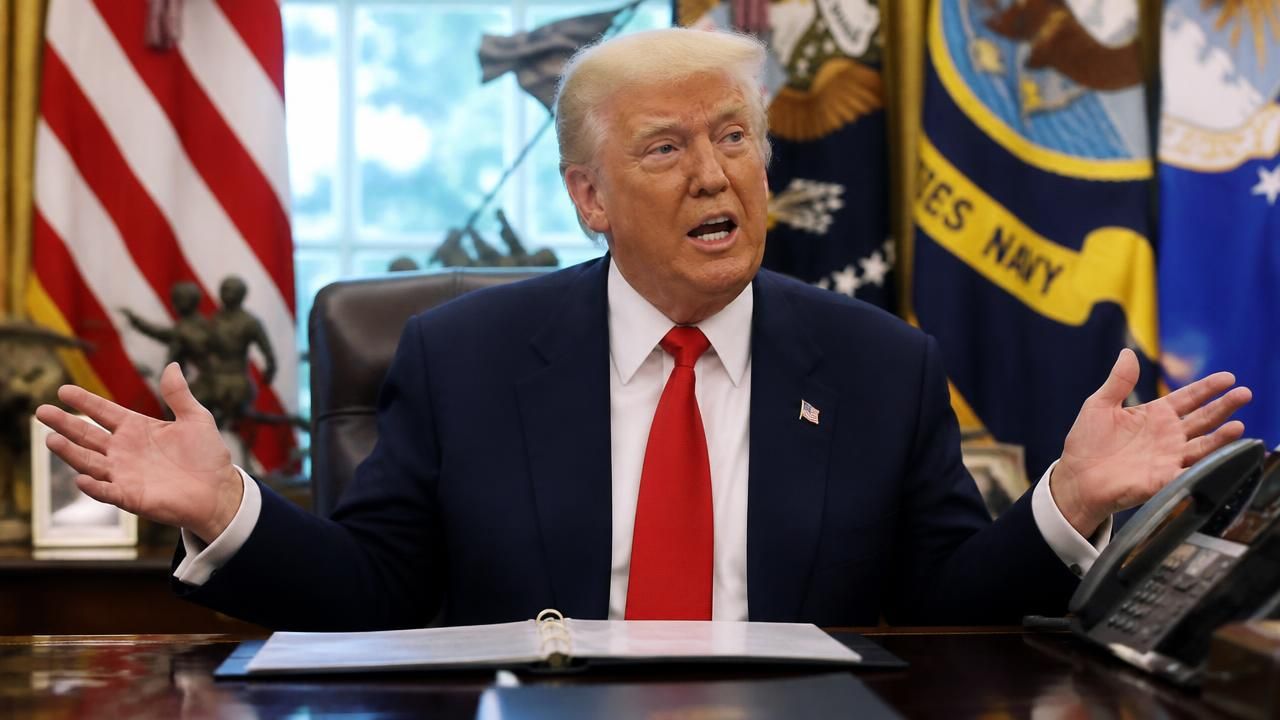
President Donald Trump has ordered the Pentagon to substantially reduce joint military exercises with South Korea, according to multiple reports, upending decades of alliance drills at a moment of heightened tension on the Korean Peninsula. The directive, which came hours before the scheduled start of the annual Ulchi Freedom Shield exercise, was confirmed by several outlets, including NPR, CBS News, NBC News, and The New York Times. The move has sparked confusion and concern among allies, with the South Korean newspaper Korea Herald warning of potential damage to the U.S.-South Korea security partnership.
A Sudden Order, Multiple Explanations
The exact scope of the reduction remains unclear, but the language used by administration officials and echoed in press accounts varied: some described it as a “scale-back,” others said “curtail,” and NBC News reported the President used the phrase “substantially reduce.” France 24 noted that the order came “hours before the start” of major drills, suggesting a last-minute decision that caught both the Pentagon and Seoul off guard. ABC News further reported that Trump described the exercises as “hostile,” a characterization at odds with the longstanding U.S. position that the drills are defensive in nature.
In explaining his decision, Trump offered two justifications, both of which he has used in the past. First, he cited South Korea’s refusal to participate in his administration’s efforts to “denuclearize” Iran. According to NPR, Trump said Seoul declined to help with Iran’s denuclearization, a somewhat surprising linkage given that Iran and the Korean Peninsula are separate security challenges. Second, he pointed to his personal relationship with North Korean leader Kim Jong Un, a rapport he has frequently touted as a key diplomatic asset.
“South Korea had declined to help with the denuclearization of Iran,” Trump said, according to NPR, while also citing “his good relationship with North Korea’s leader.”
Context: A History of On-Again, Off-Again Drills
This is not the first time Trump has sought to curtail military exercises with South Korea. In 2018, after his first summit with Kim Jong Un in Singapore, he announced the suspension of joint drills, calling them “provocative” and a “very expensive” undertaking. Those exercises were later partially restored. Now, as North Korea has ramped up missile tests in recent months—launching ballistic missiles and engaging in other provocative actions—Trump’s decision to reduce drills again has raised eyebrows among security analysts.
The specific exercise at issue, Ulchi Freedom Shield, is a computer-simulated command post exercise that has been held annually, typically in August. It involves thousands of U.S. and South Korean troops and is designed to strengthen combined readiness and interoperability. Critics of the drill argue it provokes North Korea, while supporters insist it is essential to deter aggression. Trump’s order appears to be a concession to the former view, even as Pyongyang continues to advance its weapons programs.
Alliance Concerns in Seoul
South Korean officials have expressed unease about the sudden change. The Korea Herald, in a report that surfaced a 403 error for many international readers, nevertheless highlighted “alliance concerns” in its headline. Experts point out that reducing exercises without a reciprocal gesture from North Korea could weaken the credibility of the U.S. security guarantee and undercut the very deterrence that has kept the peace for seven decades.
“The U.S.-South Korea alliance is the linchpin of stability in Northeast Asia,” said a former U.S. defense official quoted by several outlets. “Unilaterally scaling back exercises sends a dangerous signal to both allies and adversaries.” The decision is particularly puzzling because it comes as South Korea’s new president has sought to strengthen ties with Washington while maintaining a firm line on North Korea’s provocations.
North Korea’s Escalating Tests
Adding to the complexity is North Korea’s recent behavior. Multiple sources, including MSN and SSBCrack News, noted that the cut comes “as North Korea ramps up missile tests.” In the weeks leading up to Trump’s order, Pyongyang test-fired several short-range and intermediate-range missiles, including one that flew over Japan. These tests have been condemned by the United Nations and by South Korea, but Trump has often downplayed them, saying “he has a good relationship with Kim.” This disconnect between U.S. and South Korean threat assessments is at the heart of the current friction.
The Eastern Herald specifically reported that Trump called Ulchi Freedom Shield “hostile” and ordered the Pentagon to curtail it. That framing aligns with North Korean propaganda, which has long characterized the exercises as rehearsal for invasion. Human rights groups and some former diplomats worry that Trump’s personal diplomacy with Kim, combined with concessions like this, could undermine the broader non-proliferation regime.
What Does ‘Scale Back’ Mean in Practice?
Defense analysts are parsing the language for clues. “Scale back” could mean a reduction in troop numbers, a shorter duration, or fewer live-fire components. The Pentagon has not yet released an official statement, and the South Korean Ministry of National Defense referred questions to the U.S. command. Joint exercises have long been a critical component of the U.S. force posture in Asia, affecting not just South Korea but also the broader Indo-Pacific security network.
- NBC News reported the President used the term “substantially reduce,” suggesting a significant cut.
- France 24 noted the timing: hours before the exercise was set to begin, indicating an impulsive or politically motivated directive.
- ABC News quoted Trump as calling the drills “hostile,” a departure from official U.S. terminology.
- The Korea Herald framed the move as raising “alliance concerns,” reflecting anxiety in Seoul.
Implications and Next Steps
The long-term consequences remain uncertain. Some analysts argue that reducing exercises could open a door to diplomatic engagement with Pyongyang, especially if Kim responds with a moratorium on missile tests. Others fear it could be interpreted as a lack of resolve, emboldening North Korea to continue its military build-up. The decision also places pressure on South Korea to make its own strategic choices, potentially accelerating discussions about acquiring more military autonomy beyond the U.S. alliance.
For now, the immediate impact is a logistical scramble, with U.S. and South Korean forces adjusting their training schedules at the last minute. The broader political impact, however, will likely be felt for months as Seoul grapples with the reality of a U.S. president willing to alter long-standing military arrangements based on personal relationships and unrelated disputes involving Iran.
As the story develops, one thing is clear: the U.S.-South Korea alliance is entering a new and unpredictable phase, and the world is watching to see whether Trump’s gamble pays off or undermines deterrence in one of the most volatile regions on Earth.