The Federal Reserve enters a critical stretch as newly released July meeting minutes expose a rare, visible rift over the path of interest rates. Meanwhile, the institution faces mounting questions about its political independence, with reports linking Kevin Warsh—a former Fed governor and known policy hawk—to a potential leadership role under a second Trump administration. Off to the side, the United Auto Workers (UAW) is heading into a contentious convention in Detroit, underscoring the labor-market pressures that feed directly into the Fed’s inflation calculus.
Three Dissents: A Rare Internal Divide
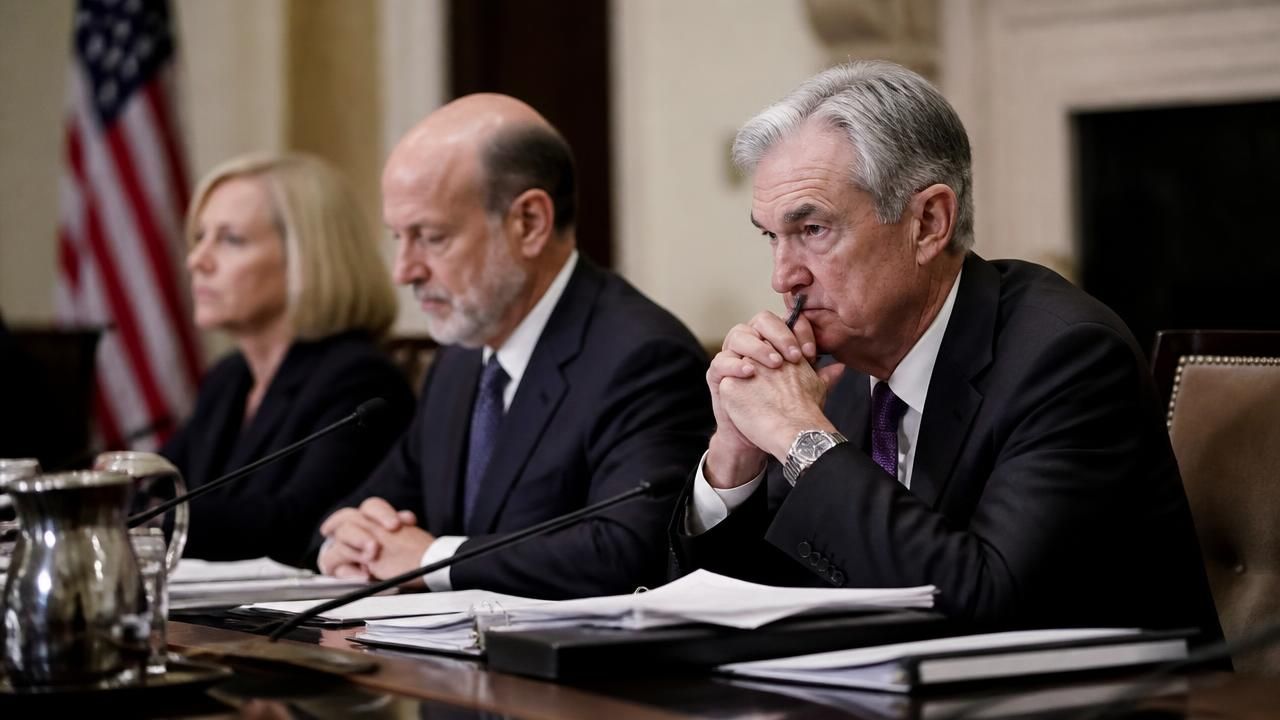
The minutes from the Federal Reserve’s July meeting, published this week, offer a closer look at the debate that produced three dissents in favor of a quarter-point rate increase. The split is unusually visible for a central bank that prizes consensus. According to Bloomberg Markets, policymakers were contending with elevated inflation and mixed economic data—two forces pulling in opposite directions.
“The firm expects no rate move until late 2027, when it expects the central bank to begin cutting,” said Jennifer Lee, senior economist at BMO Capital Markets, reflecting a patient approach that many market participants now share.
The three dissents signal that a faction within the Federal Open Market Committee believes tighter policy is needed to quell persistent price pressures, even as other officials worry about cooling growth and labor-market softness. The minutes are being parsed for clues on how the committee will act in the coming months, especially with inflation still running above the Fed’s 2% target.
Independence under Pressure: The Warsh Factor
Compounding the internal debate is external political pressure. Reports from IBTimes and TradersUnion indicate that Kevin Warsh, a former Fed governor, is being floated for the chairmanship or other senior roles in a potential future Trump administration. Warsh’s stance on the Fed’s independence has drawn scrutiny, with critics questioning whether he would maintain the central bank’s traditional distance from the White House.
Warsh has long been critical of quantitative easing and has argued for a more rules-based approach to monetary policy, which some see as constraining the Fed’s flexibility. His potential nomination has revived fears that a politically loyalist could turn the Fed into an arm of the executive branch—a move that could undermine confidence in the dollar and financial markets.
As TradersUnion notes, the Fed’s leadership faces an “independence test” under the combined pressure of a former president who frequently attacked the central bank and a prospective appointee whose views align with key Trump allies. The stakes are high: any perception of political interference could send shockwaves through global markets.
Labor’s Counterpoint: UAW’s Convention and the Inflation Fight
Labor unions are stepping into the spotlight at the same moment. Thousands of UAW members are gathering in Detroit for the union’s 2026 convention, where President Shawn Fain faces challengers and intense debate over dues and strike pay. The convention’s outcome will shape the union’s militancy heading into a new round of contract talks with the Big Three automakers.
The connection to the Fed is direct: aggressive wage demands from powerful unions like the UAW can ripple through the economy, contributing to the very inflation the central bank is trying to tame. Conversely, the Fed’s high-interest-rate policy can weaken the labor market, making it harder for workers to secure raises. That tension is central to the ongoing debate within the FOMC.
At the 2023 UAW strikes, the union won record contracts after a rough standoff with automakers. The upcoming convention will determine whether that momentum continues—and whether the union’s strike fund is robust enough to sustain another round of protracted walkouts. The outcome will be closely watched by economists and policymakers alike.
One Story, Three Frames
The same week’s events are being framed differently depending on the outlet. Bloomberg Markets focuses on the market implications and the subtle signals in the minutes, treating the dissents as a technical debate about inflation and employment. IBTimes and TradersUnion, meanwhile, zoom in on the political narrative, casting Warsh’s potential role as a test of institutional integrity. Detroit News gives voice to the labor side, covering the UAW convention as a story of worker power and organizational turbulence. Together, these frames illustrate the interconnectedness of monetary policy, politics, and labor—a trifecta facing the Fed as it tries to navigate a precarious moment in the economy.
Implications and Outlook
For now, market expectations align more with BMO’s patient outlook: no rate moves until late 2027, followed by gradual cuts. But the persistence of internal dissent and the looming political questions cast a long shadow. If Warsh is tapped and confirmed, his track record suggests a pivot toward tighter policy and a more confrontational relationship with market participants.
The Fed’s credibility hinges on its ability to navigate this triple challenge—internal disagreement, external meddling, and labor-market volatility. As the minutes show, the path forward is far from clear. What is clear is that the decisions made in coming months will reverberate well beyond the walls of the Eccles Building, into hiring halls, factory floors, and kitchen-table budgets across the nation.