The ultra-luxury travel sector is experiencing an unprecedented boom, fueled by a fundamental shift in how the world's wealthiest individuals choose to spend their money. According to The Economist, luxury goods are out, but luxury travel is in. The super-rich are increasingly prioritizing once-in-a-lifetime experiences over designer handbags and supercars, a trend that is reshaping the global travel industry from the tarmac to the savannah.
This surge in demand is not just anecdotal. Deloitte's 2026 Travel Industry Outlook projects continued robust growth for the luxury segment, while Forbes reports that a new study on how the ultra-rich will travel in 2025 reveals a strong preference for bespoke, high-end adventures. The Guardian echoes this, noting that the world's super-wealthy are spending their riches on luxury travel adventures, from Antarctic expeditions to private safaris.
The Shift from Things to Experiences
The pivot from material goods to experiential luxury is the defining narrative of this era. As The Economist frames it, the luxury market is bifurcating: while sales of traditional luxury goods have slowed, spending on high-end travel is surging. This is driven by a demographic of ultra-high-net-worth individuals (UHNWIs) who value memories, status, and exclusivity more than physical possessions. Deloitte's outlook highlights that wellness, cultural immersion, and “transformational” travel are now the fastest-growing categories, with affluent travelers willing to pay a premium for journeys that promise personal growth.
The Guardian's coverage underscores this trend, citing examples of billionaires chartering superyachts for remote island-hopping or booking entire lodges in Patagonia. This is not a fleeting fad but a structural change in consumer behavior, reinforced by the post-pandemic realization that experiences are fleeting and therefore more precious.
What the Ultra-Wealthy Want: Privacy, Exclusivity, and Human Touch
For the ultra-rich, travel is no longer about merely seeing the sights. It is about doing so without lines, without crowds, and without “regular” people. A New York Times feature on flying ultra-luxury from Paris captures this desire perfectly: private terminals, dedicated crews, and seamless security that make the journey as enjoyable as the destination. The article’s headline—”No Lines, No ‘Regular’ People”—has become the unofficial motto of the segment.
Interestingly, despite the proliferation of travel apps and AI-driven planning, many ultra-wealthy travelers are deliberately leaving technology out of the equation. A Forbes report notes that in the luxury travel segment, the super rich are leaving technology in the drawer, preferring human expertise and personal relationships over algorithms. This sentiment is echoed by industry veteran Mike Kempinski, speaking to Travel Weekly, who argues that the key to ultra luxury is getting back to basics: understanding the client’s deepest desires, anticipating needs, and delivering service with genuine warmth.
“The key to ultra luxury is getting back to basics—listening to the client, not just processing a booking.”
Bloomberg’s interview with luxury travel and event expert Olivia Ferney illustrates this human-centric approach. Ferney, who has built a business catering to ultrawealthy clients with requests ranging from six-figure vacations to elaborate celebrations, emphasizes that her success comes from reading between the lines of what clients ask for. With a social media following of more than 1 million, she also leverages her personal brand to connect with clients on a more intimate level.
The Advisors and Agencies Behind the Scenes
The complexity of ultra-luxury travel has given rise to a new class of high-end travel advisors and agencies. LA Weekly recently profiled Shanna Dickerson, who built an ultra-luxury travel agency, highlighting the entrepreneurial journey from boutique firm to industry player. Meanwhile, Virtuoso, one of the largest luxury travel networks, has launched a dedicated ultra-high-net-worth business division, as reported by TravelAgeWest. This move recognizes that the needs of clients with $50 million or more in assets are vastly different from those of merely affluent travelers.
At the Luxury Travel Advisor’s Ultra Summit, industry leaders gathered to discuss the future. Sessions covered topics like “The $1 Million Advisor: Proving Scale and Luxury Go Hand in Hand” and “Forging Strong Supplier Relationships,” emphasizing that even at the highest echelons, strong partnerships and trust are essential. The summit itself, as reported by Luxury Travel Advisor, served as a reunion for an industry buzzing with optimism and innovation.
Aviation and Cruise Innovations
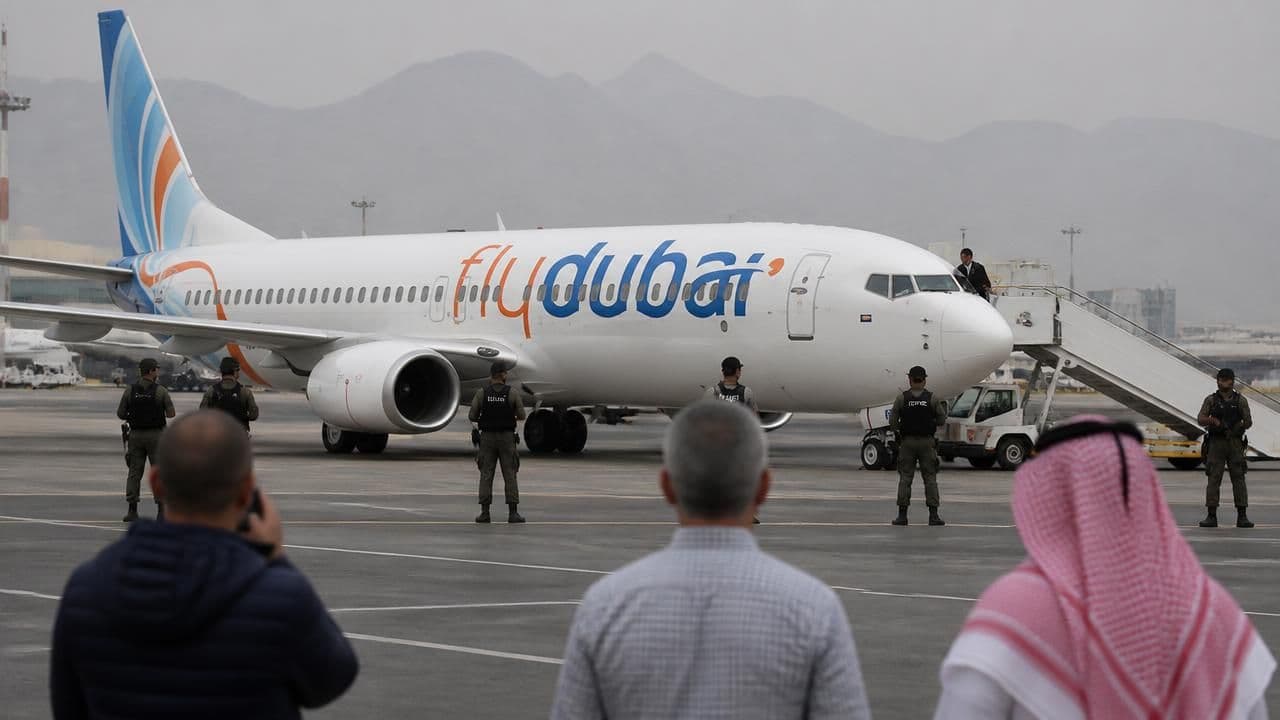
Nowhere is the race for ultra-luxury more visible than in transportation. BBC reports that plane makers are chasing Asia’s super-rich with a new generation of luxe private jets, offering not just transportation but flying palaces with conference rooms, bedrooms, and even showers. In the United States, Robb Report highlights eight new private terminals that are making air travel more luxurious, featuring art galleries, spa services, and direct ramp access to private jets.
The seas are no less competitive. MSN recounts a traveler’s experience paying $9,000 per person for the cheapest cabin on an ultra-luxury expedition cruise—a price that still included butler service, gourmet dining, and shore excursions in remote destinations. The Points Guy has ranked the 10 best luxury cruise lines for elegance and exclusivity, noting that lines like Regent Seven Seas, Seabourn, and Silversea are pushing the envelope with all-inclusive fares and larger suites.
Destinations and Hotels
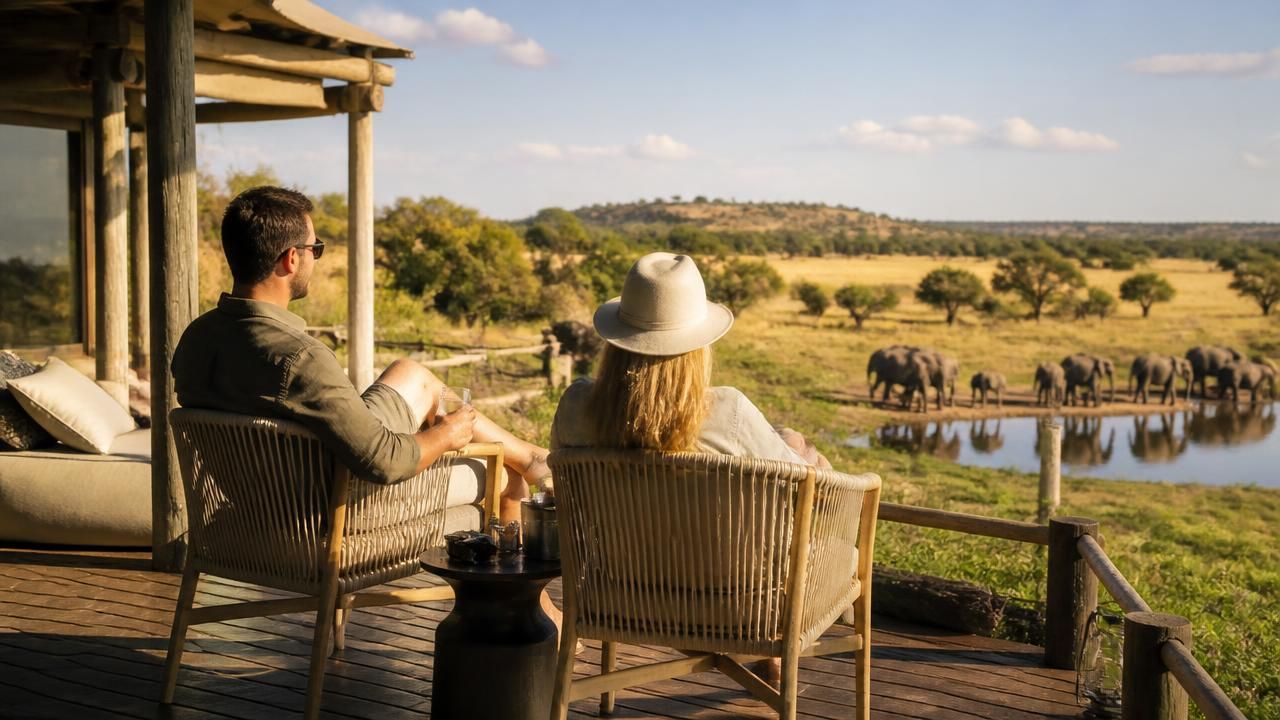
On land, the ultra-luxury hotel market is expanding into new frontiers. Bloomberg and Business of Fashion both report on a $50,000-a-night resort in Africa backed by a Dubai royal, signaling the continent’s growing appeal as a playground for the ultra-wealthy. This resort, set in a private game reserve, offers not just opulent accommodations but also exclusive access to wildlife and cultural experiences that cannot be replicated elsewhere.
According to JLL, ultra-high-net-worth wealth is fueling European hotel development, with cities like London, Paris, and Zurich seeing a surge in luxury hotel projects. Business Traveller notes that France’s luxury travel boom is a glimpse into the future of elite tourism, with châteaux and private villas increasingly being converted into five-star retreats. For those seeking the ultimate in social exclusivity, Signature Luxury Travel has compiled a list of the 15 most exclusive private clubs on the planet, from members-only beach clubs in Ibiza to private golf clubs in Scotland.
The Financial and Tax Dynamics
The ultra-wealthy are also finding ways to make luxury travel financially savvy. A report from Yahoo Finance reveals that Trump’s “bonus depreciation” rule is turning luxury travel into a tax break, allowing the ultra-wealthy to deduct the cost of private jets and other travel-related assets. This tax incentive has become a powerful driver for high-end purchases, further fueling the market.
Deloitte’s outlook adds another layer, examining how the travel industry is adapting to the financial behaviors of the rich. The report notes that despite economic uncertainties, the wealthiest travelers remain resilient, with travel spending seen as a non-negotiable lifestyle expense. This has led to a bifurcation in the market, where mass-market travel faces headwinds, but ultra-luxury continues to flourish.
Predictions for 2026 and Beyond
Looking ahead, Virtuoso’s predictions for luxury travel in 2026, as published by TravelAgeWest, point to even deeper personalization, with advisors using data to anticipate every whim. Artisans of Leisure, a luxury tour operator, has unveiled its top trends, which include a focus on slow travel, private guides, and immersive cultural encounters. HospitalityNet highlights the hotels leading the industry in 2026, crediting brands like Aman, Four Seasons, and Rosewood for their ability to create a sense of place while delivering consistent luxury.
The pandemic may have disrupted travel, but it also accelerated the desire among the wealthy to see the world. As the super-rich continue to prioritize experiences, the industry is scaling up to meet their needs—whether through private terminals, submersible-equipped yachts, or $50,000-a-night suites in the African bush. The message is clear: in the world of luxury travel, the sky is no longer the limit.