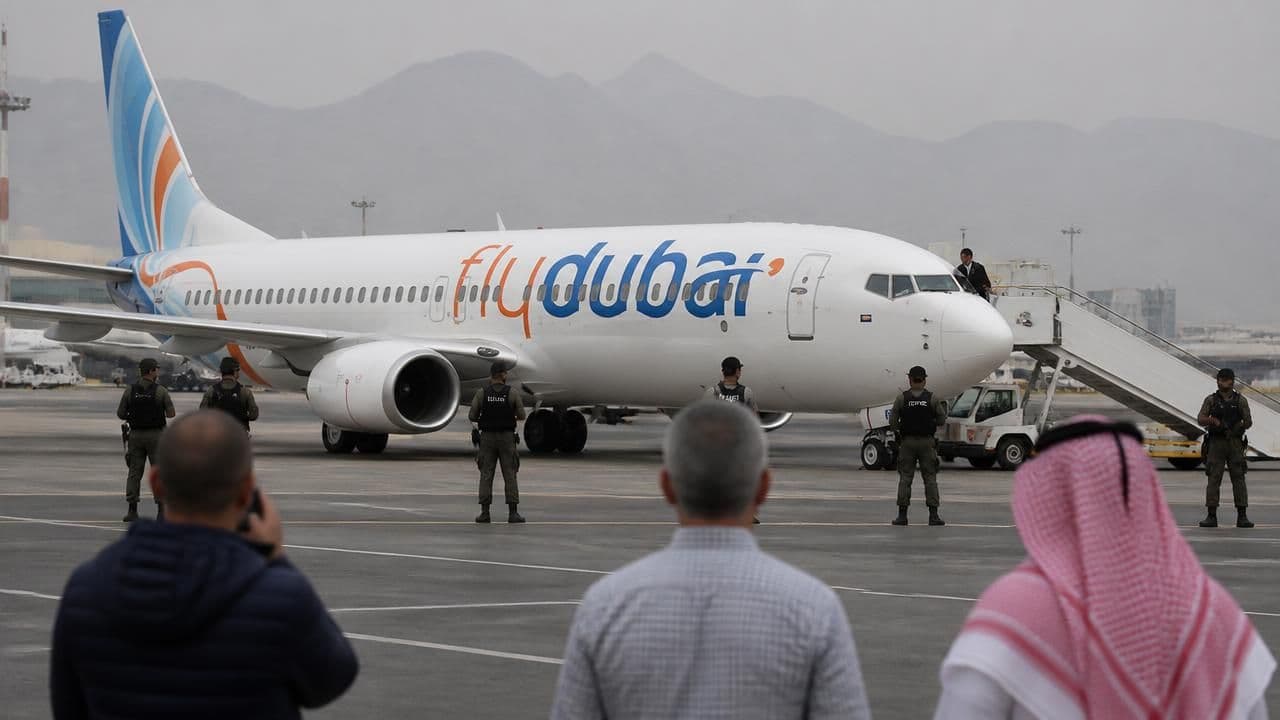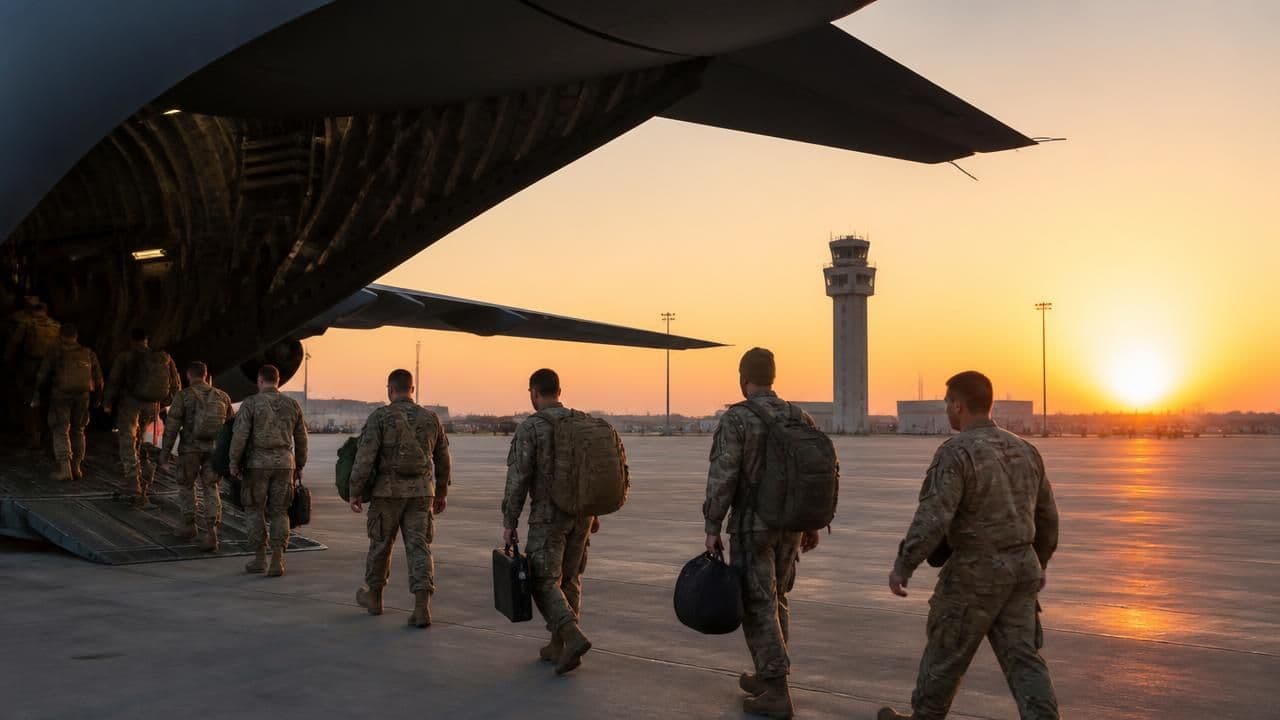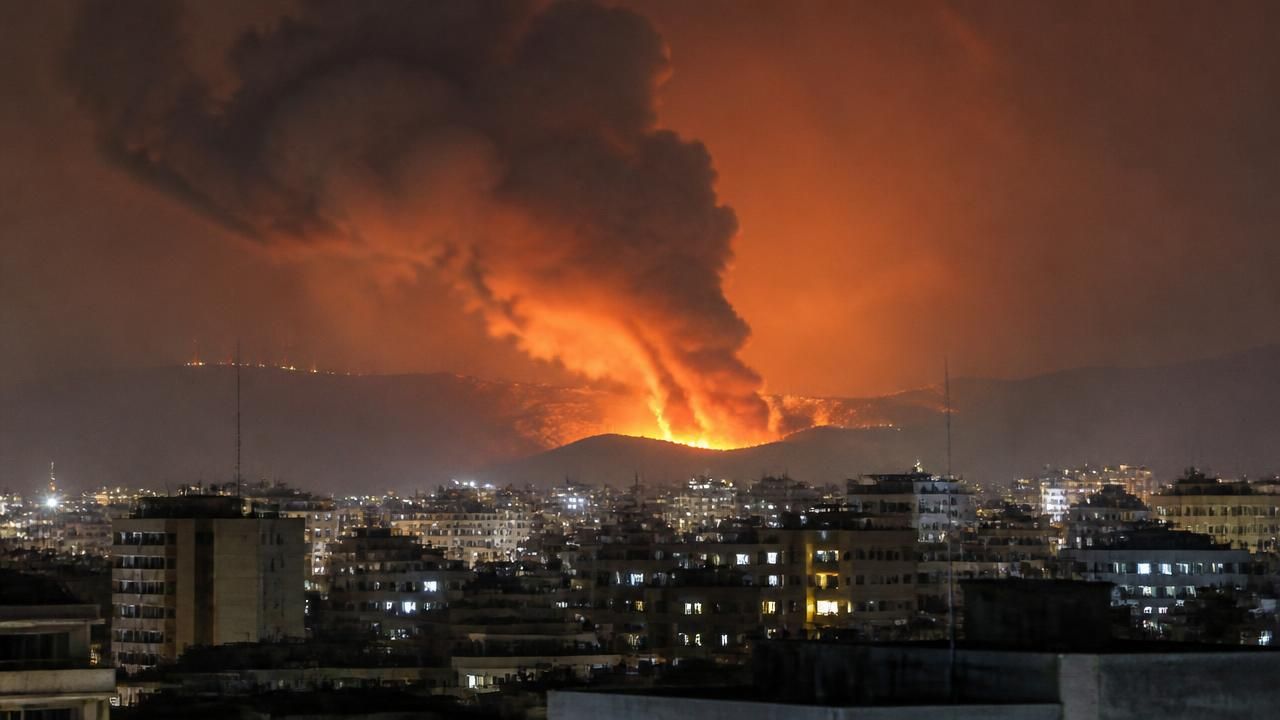
One month into the conflict between the United States and Iran, the Trump administration is confronting a grim reality: there is no clear off-ramp. A widening campaign of economic pressure, military strikes, and diplomatic isolation has yet to force Tehran to change its calculus, and U.S. officials, allies, and analysts are increasingly divided over what comes next.
A Pressure Campaign Without an Exit Strategy
On Bloomberg's This Weekend, Acting Principal Deputy Assistant Secretary for the Bureau of Near Eastern Affairs Jen Gavito and retired Vice Adm. Robert Harward offered sharply different assessments. Gavito argued that sanctions alone are unlikely to provide an off-ramp, while Harward maintained that economic pain, combined with political and military pressure, could weaken the regime.
"Sanctions are a tool, not a strategy," Gavito said, warning that the pressure campaign lacks a clear end-state. Harward countered: "When you hit them economically and militarily simultaneously, you create leverage—but only if you know what you want in return."
Trump's Waning Patience
According to Politico, President Trump has privately told aides he wants "more compromises" and an end to the war, but his allies fear Iran is "slipping beyond the president’s control." One source close to the White House said, "They hold the cards now." The contradictory impulses—escalate to force a deal, or exit to avoid another forever war—have paralyzed decision-making.
Israel's Sidelined Role
Ynetnews reports that Washington is calling the shots, with Israel effectively sidelined in the conflict. Jerusalem has been forced to coordinate its strikes through the U.S. chain of command, a dynamic that has frustrated Israeli officials who believe they have more at stake in neutralizing Iran's nuclear program.
Escalate or Exit? The Military's Menu
NBC News outlines the options on the table: a surge in airstrikes against Iranian nuclear facilities, a naval blockade, or a phased withdrawal. Each carries significant risks. Escalation could trigger a wider regional war; withdrawal would be seen as a victory for Tehran. "The military is preparing for both," a defense official said, "but the strategic objective remains murky."
The Paradox of American Compellence
RealClearDefense highlights the "paradox of American compellence": the more the U.S. threatens force, the more Iran digs in, fearing that concessions will invite further demands. This dynamic has historically led to mission creep and "forever wars," as the Wall Street Journal asks: "Is the U.S. repeating the mistakes that led to Vietnam, Iraq, and Afghanistan?"
Historical Echoes
Daniel Drezner, writing on his Substack, expresses fatigue with perpetual conflict: "I'm sick and tired of all the winning." His sarcasm underscores a broader concern among international relations scholars that the U.S. has lost sight of its strategic objectives. The Japan Times, one month into the war, notes that Trump faces only hard choices—none of them good.
Strategic Confusion or Deliberate Ambiguity?
GlobalSecurity.org describes the situation as "war without endgame," characterized by strategic confusion. Just Security similarly labels it "a war with no off-ramp." The crisis has brought the Middle East closer to what the Crisis Group calls its "1914 moment"—a regional conflagration triggered by miscalculation and entangling alliances.
The Aramco Attack Catalyst
While the current conflict began with U.S. and Israeli strikes on Iranian nuclear facilities, the Crisis Group notes that the earlier attack on Saudi Aramco facilities set the stage. That assault demonstrated Iran's willingness to strike at global energy infrastructure, raising the stakes for any military confrontation.
What Would Success Look Like?
CNN's analysis asks whether the war on Iran could succeed or go disastrously wrong. Success would likely involve dismantling Iran's nuclear breakout capability and curbing its regional proxies—without toppling the regime. Failure could mean a humanitarian catastrophe, a spike in oil prices, and a decade-long insurgency.
- Off-ramp options: Renewed diplomacy, sanctions relief for verifiable nuclear limits, or a tacit understanding on red lines.
- Escalation risks: Iranian retaliation via the Strait of Hormuz, proxies in Lebanon and Yemen, and attacks on U.S. troops.
- Exit risks: Leaving Iran with a residual nuclear capability and emboldened revolutionary guard.
The View From Tehran
While U.S. officials debate, Iran remains defiant. Supreme Leader Ali Khamenei has called the pressure campaign a sign of American weakness, and there are reports that Tehran is accelerating its nuclear program despite strikes. The window for a negotiated settlement may be closing.
Conclusion: The Hard Choices Ahead
One month in, the Trump administration has managed to unite a fractious Middle East—against the war. Allies fear the U.S. is stumbling into a quagmire, while hawks insist victory is within reach. The defining question, as Gavito implied, is whether the pressure campaign can ever produce a credible off-ramp. Without one, the war may continue not because anyone wants it, but because no one can figure out how to end it.