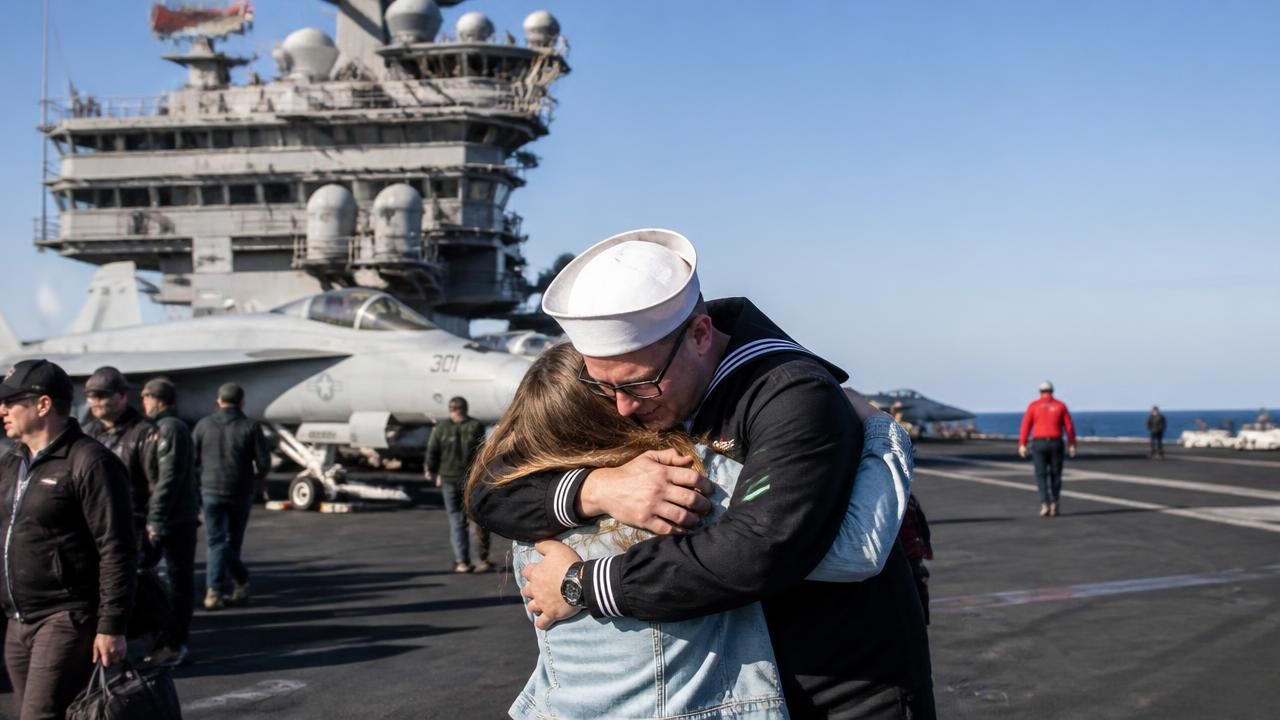
President Donald Trump's assertion that the USS Abraham Lincoln's deployment is "not nearly long enough" has ignited a firestorm of criticism from the families of the aircraft carrier's crew, who say the president is disregarding the harsh realities aboard the ship. As the vessel remains stationed in the Middle East amid ongoing tensions with Iran, the human toll of the extended mission is becoming a political flashpoint.
Families of USS Lincoln Crew Speak Out
In a report by NPR, relatives of sailors aboard the USS Abraham Lincoln expressed their anger and frustration, stating that Trump "should be 'ashamed' of conditions on board." The family member, whose name has not been released, emphasized that the president's comments do not reflect the struggles faced by the crew, who have been separated from their loved ones for an extended period.
"He should be ashamed of himself for making light of what our sailors are going through," the family member told NPR.
The exact conditions on the ship have not been detailed publicly, but the term 'shameful' suggests that morale and welfare may be suffering. The deployment, which began earlier this year, has already exceeded the typical six-month rotation, leaving sailors and their families in a state of uncertainty.
Trump Responds with Defiance
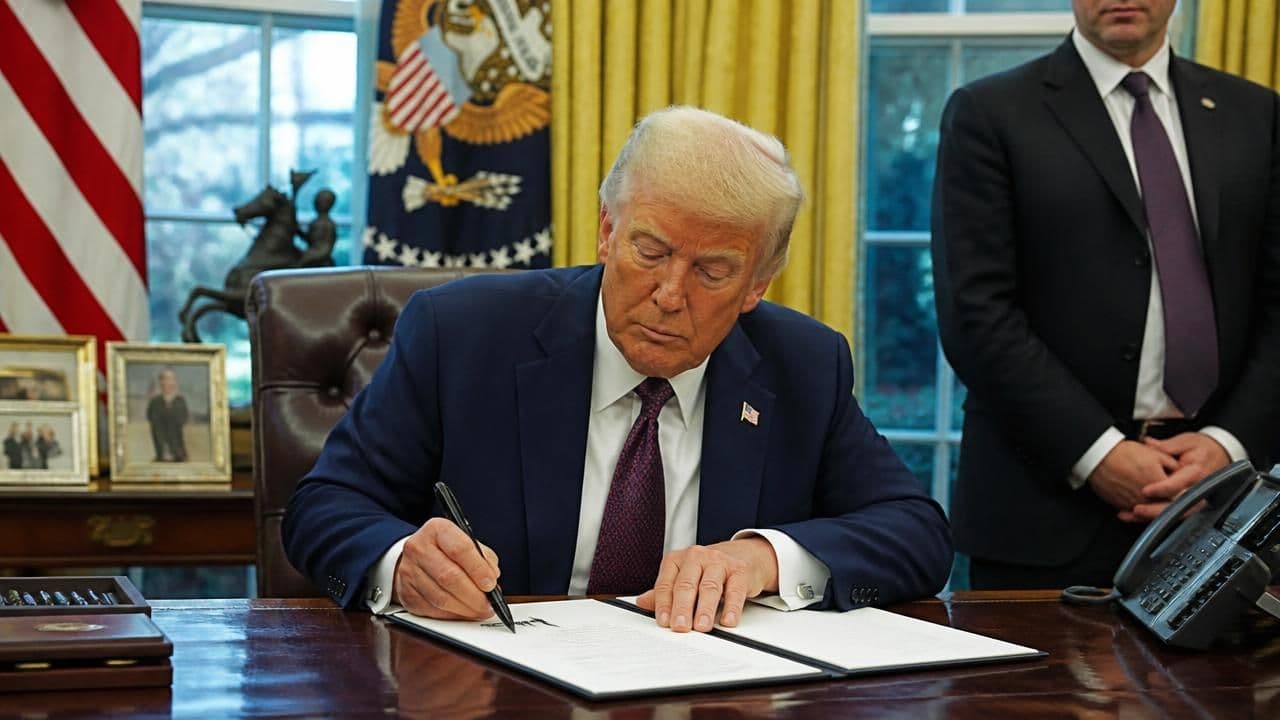
The New York Post reports that Trump shrugged off these concerns during a recent event, maintaining that the deployment is a necessary part of U.S. national security strategy. When asked about the crew's conditions, the president reportedly waved off the questions, insisting that the sailors 'signed up for this' and that the mission is far from over.
"Not nearly long enough," Trump said, according to the Post. "We have a job to do over there, and they're doing it better than anyone."
This dismissive tone has further inflamed tensions. Critics argue that the president's rhetoric demonstrates a disconnect from the sacrifices made by service members and their families. Others, however, support the president's stance, emphasizing the importance of maintaining a strong presence in the volatile region.
The Human Cost of a Long Deployment
Ocean State Media offers a deeper look into the personal experiences of those affected. The report highlights that sailors and their families have their lives on hold, uncertain if they'll be sent back to the Middle East after the current mission concludes. The emotional strain of repeated extensions is taking a toll on mental health and family stability.
One sailor's spouse told Ocean State Media, "We don't know when this is going to end. We're just supposed to keep waiting, and the people in charge don't seem to care."
"The uncertainty is the worst part," added another family member. "We can't plan anything—not birthdays, not anniversaries, not even the next month."
Framing the Story: A Contrast in Perspectives
The three outlets covering the story have approached it from markedly different angles. NPR focuses on the emotional and ethical implications of the president's comments, emphasizing the families' call for accountability. The New York Post, in contrast, frames Trump's reaction as a steadfast commitment to national security, downplaying the severity of the concerns. Ocean State Media's coverage centers on the human element, giving voice to the sailors and families who are bearing the brunt of the prolonged deployment.
This divergence underscores the political polarization surrounding military matters in the United States. The USS Abraham Lincoln has long been a symbol of American power projection, and its current deployment is part of a broader strategy to counter Iranian influence. The ship was dispatched to the region in response to intelligence about potential Iranian threats, and it has since played a key role in air operations against ISIS and other groups.
Historical Context
The Lincoln's extended deployment is not without precedent. During the Iraq and Afghanistan conflicts, many Navy vessels served tours exceeding 10 months. However, the current situation is unique due to the rapid escalation of tensions and the emotional weight of uncertain future missions. Military experts note that prolonged deployments can lead to decreased readiness and retention problems, as sailors reconsider their careers.
Dr. Samantha Lewin, a military policy analyst at the Center for Defense Studies, told The New York Times, "The strain on families is often the hidden cost of prolonged operations. It can undermine the very readiness the president is trying to demonstrate."
As the political debate rages on, the sailors remain on duty, thousands of miles from home. The coming weeks will be critical: will the White House adjust its rhetoric, or will the families' calls for change fall on deaf ears?
Other News Across the Nation
While the USS Lincoln story dominates headlines, other significant stories are unfolding. The Midwest is bracing for more heavy flooding, with Indiana seeking federal aid to deal with the damage—a reminder of the climate-related challenges facing the Trump administration. Elsewhere, the legacy of the Negro League is being honored through MLB's new rules, which draw on the league's innovations. And in Rhode Island, efforts to preserve the Cape Verdean heritage highlight the importance of cultural memory in understanding America's diverse history. These stories, though distinct, reflect a nation grappling with issues of resilience, recognition, and remembrance.