Pregnancy is often described as a beautiful journey, but for many women it arrives with a parade of physical discomforts: hemorrhoids, leg cramps, sciatica, back pain, and more. Alongside the joy of expectancy, these aches can make daily life a challenge. Now, a growing chorus of health and fitness experts are shining a spotlight on exercises that can both prevent and relieve such pain. From a widely shared NPR video to international health outlets, the message is clear: movement is medicine.
The Five Essential Moves
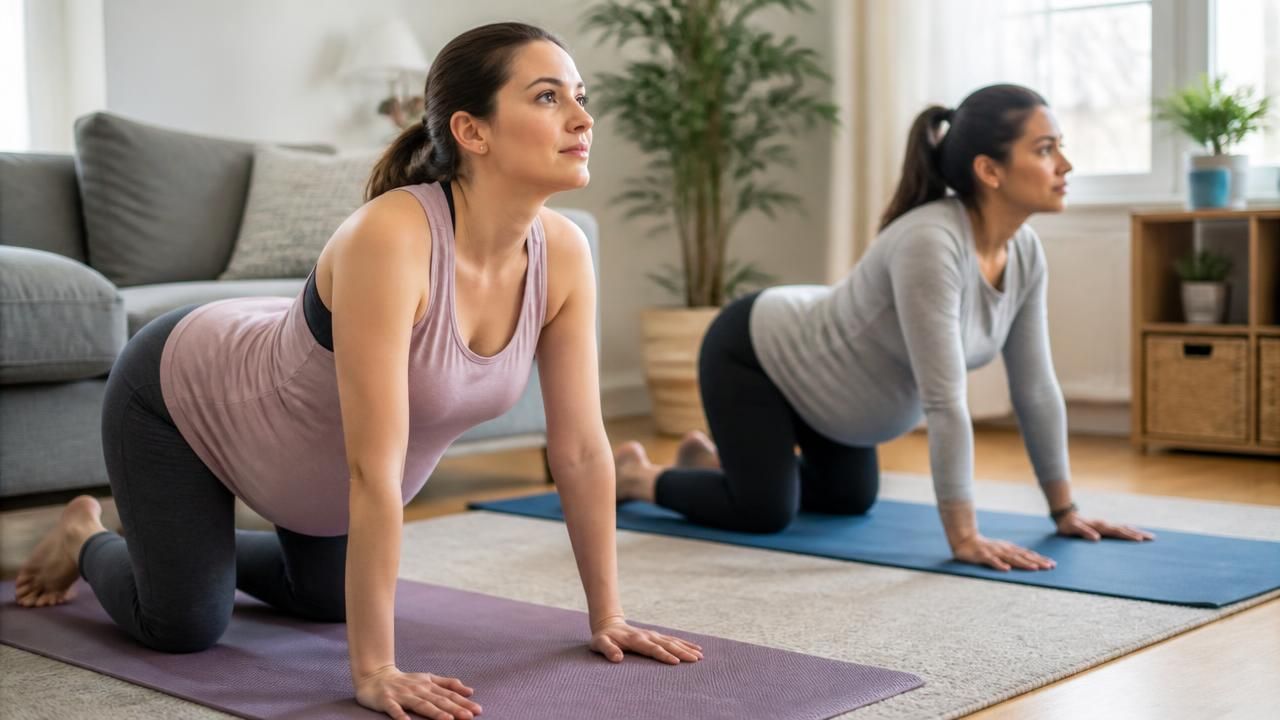
At the center of recent coverage is an NPR feature demonstrating five exercises specifically designed to tackle common pregnancy ailments. The video, led by certified personal trainer Amy Kiefer and fitness instructor Holly Keskey-Koester, showcases movements that target trouble spots while remaining safe for expectant mothers. While the exact routine isn't fully listed in the article, such demonstrations typically include pelvic tilts to ease lower back pain, cat-cow stretches for spinal mobility, supported squats to build leg strength, glute bridges to activate the posterior chain, and Kegel exercises to strengthen the pelvic floor. These moves collectively help alleviate sciatica, reduce leg cramps, and improve overall posture as the baby grows.
Pelvic-Floor Power
Beyond the NPR video, Today.com highlights 12 of the best pelvic-floor exercises for pregnancy, emphasizing the critical role of the pelvic floor. This group of muscles supports the uterus, bladder, and bowel, and strengthening it can help prevent incontinence, improve recovery after birth, and even enhance intimacy. Kegels—the act of contracting and relaxing these muscles—can be performed anywhere, and experts recommend holding each contraction for three to five seconds, repeating 10 to 15 times per session. "Think of the pelvic floor as a hammock that needs to stay toned," says one physical therapist quoted in the piece.
Trimester-Specific Workouts
Exercise routines during pregnancy should evolve as the body changes. Today.com's guide to trimester-specific workouts suggests that the first trimester is an ideal time for moderate cardio and strength training, as energy levels are often still high. The second trimester often calls for lower-impact activities like swimming, stationary cycling, and prenatal yoga, which accommodate the growing belly and loosening joints. In the third trimester, gentle stretching, breathing exercises, and walking become the focus, by which time many women find relief in water-based workouts that offload the weight of the baby.
Six Easy At-Home Exercises
Meanwhile, The Standard in Kenya offers six easy at-home exercises for pregnant women, reinforcing the idea that a gym membership isn't necessary. The list typically includes walking, swimming (if available), stationary cycling, prenatal yoga, Pilates, and light resistance band training. These low-impact activities keep the body limber and build stamina without straining the joints. "Exercise doesn't have to be fancy. A simple 20-minute walk can do wonders for your mood and your circulation," the article notes.
Preparing for Labor
Pulse Nigeria takes a forward-looking approach, detailing exercises that prepare women for labor. Deep squats open the pelvic outlet and help the baby descend, while perineal massage (performed in the final weeks) can reduce the likelihood of tearing. Breathing exercises and vocalization techniques teach mothers to manage pain during contractions. One expert quoted in the piece likens labor to a marathon: "Train your body with stamina-building exercises, and your mind with breathing work—both are essential."
What to Avoid
Not all exercises are safe during pregnancy, and Townsville Bulletin's guide to exercises to avoid is just as important as the "do" list. High-impact activities like running and jumping can stress the pelvic floor and joints, especially in later trimesters. Contact sports, such as soccer or basketball, carry a risk of abdominal trauma. After the first trimester, experts advise against exercises that require lying flat on the back, as this can compress the vena cava and reduce blood flow to the baby. Also avoid activities with a high risk of falling, such as skiing, horseback riding, or advanced rock climbing.
The Expert View: Safety and Precautions
Across all sources, one boundary is universal: always consult a healthcare provider before starting or continuing any exercise routine during pregnancy. The World Health Organization recommends at least 150 minutes of moderate-intensity aerobic activity weekly for healthy pregnant women, but individual conditions—such as placenta previa, preeclampsia, or a history of preterm labor—may necessitate modifications.
Additionally, as the National Weather Service issues extreme heat warnings for parts of the Mid-South through Sunday, expectant mothers should take extra precautions when exercising outdoors. Heat intolerance is heightened during pregnancy, so it's crucial to stay hydrated, avoid midday sun, and consider moving workouts indoors or to air-conditioned spaces.
"The key is to listen to your body. If something hurts, stop. If you feel dizzy, stop. This is not the time to push through pain—it's the time to build strength gradually and safely." — Amy Kiefer, certified personal trainer
Conclusion
From five simple moves demonstrated by trainers in NPR's video to comprehensive pelvic-floor routines and trimester-specific regimens, the array of pregnancy exercise advice underscores a universal truth: staying active helps both mom and baby. Whether your goal is pain relief, labor preparation, or simply maintaining energy, there is a safe way to keep moving through every stage of pregnancy. As the experts say, a strong, flexible body is one of the best gifts you can give both yourself and your growing baby.