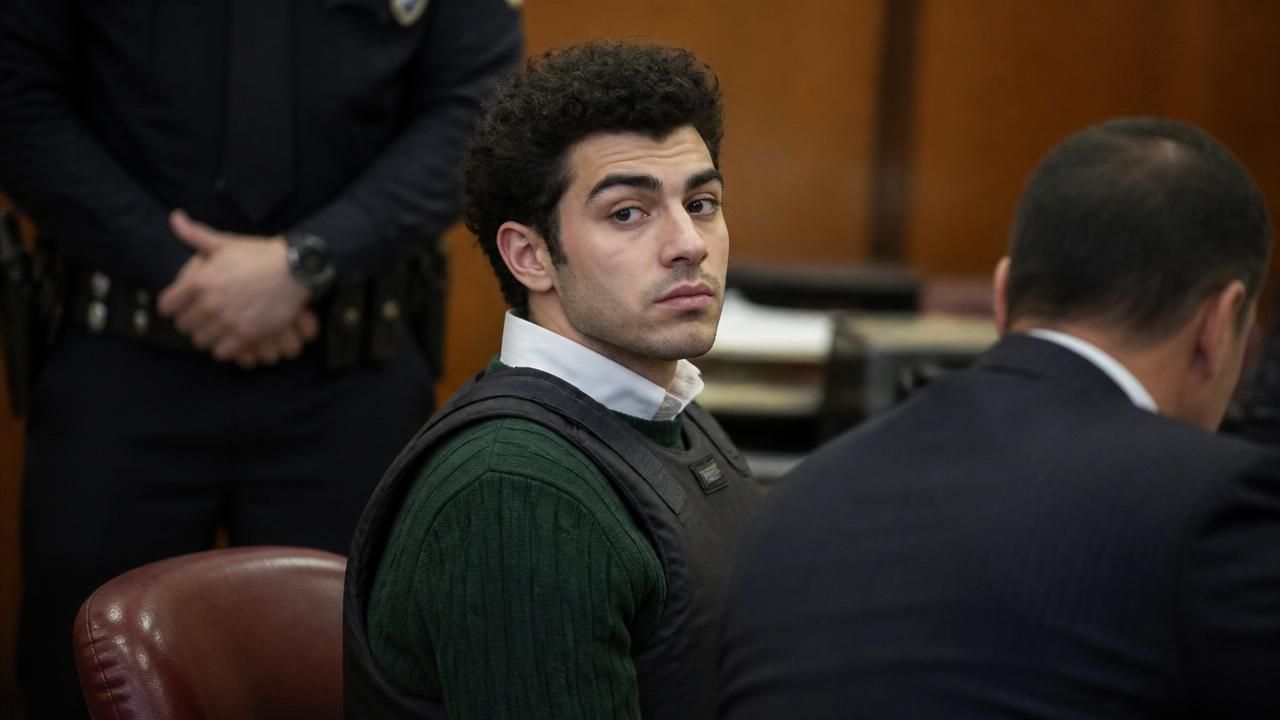
In a dramatic turn of events, Luigi Mangione pleaded guilty to federal stalking charges on Wednesday, a development that has sent shockwaves through the legal proceedings surrounding the death of Brian Thompson, the former CEO of UnitedHealthcare. The plea, entered in a federal courtroom, marks a significant shift in a case that has captivated the nation, but it leaves the future of a separate state murder trial hanging in the balance. A judge in that separate case will now decide how to proceed, according to NPR News.
Mangione, who was arrested last year in connection with Thompson's death, had previously maintained his innocence on state charges of first-degree murder. However, the federal guilty plea on stalking charges introduces a complex legal dynamic that legal experts say could either pave the way for a resolution or further entangle an already convoluted case.
Federal Guilty Plea and Its Scope
The federal charges to which Mangione pleaded guilty are specifically related to stalking, not the murder itself. This distinction is crucial, as it allows federal prosecutors to secure a conviction without addressing the more serious allegations pending in state court. The plea was entered before a federal judge, and the courtroom was packed with observers, including some of Mangione's supporters, who have been vocal throughout the ordeal.
According to a report from Yahoo! News, the guilty plea was not entirely unexpected. Analysts had speculated that Mangione might seek a deal to avoid the risk of a harsher sentence in the state trial. However, the plea also introduces a potential point of fragility: if the state trial proceeds and results in an acquittal, the federal conviction could still stand, but the legal footing of the plea could be challenged. As one legal expert put it, "This is a strategic move that could either consolidate the prosecution's case or create a procedural mess."
Impact on the State Murder Trial
The central question now is whether Mangione's federal guilty plea jeopardizes the pending state murder trial. MSN News reports that a separate judge will determine the trial's future, and the outcome is far from certain. Defense attorneys have suggested that the guilty plea might be used as leverage to negotiate a resolution in the state case, potentially reducing charges or securing a lighter sentence. Conversely, prosecutors in the state case have signaled that they intend to press forward, arguing that the federal plea does not absolve Mangione of the more severe allegations.
Legal analysts note that double jeopardy protections do not apply between federal and state courts, meaning Mangione could technically be tried for the same conduct in both jurisdictions. However, the stalking charge is distinct from the murder charge, so the legal overlap is limited. "The federal plea is a separate offense tied to the events leading up to Thompson's death," explained one criminal law professor. "It does not directly address the murder, but it gives the federal government a foothold in the case."
Prosecutors Push for Stiff Sentence
In the wake of the plea, AOL News reports that federal prosecutors are prepared to lobby for a stiff sentence. The stalking charge carries a maximum penalty of up to five years in prison, but prosecutors have indicated they will argue for the upper end of the sentencing range, citing the severity of the harassment and its connection to Thompson's death. "The defendant's conduct was not merely a nuisance; it was a pattern of intimidation that escalated tragically," a prosecutor said in a statement following the plea.
Mangione's defense team, meanwhile, is likely to argue for a more lenient sentence, emphasizing his lack of prior criminal history and the psychological pressures he faced. Sentencing hearings are expected to take place in the coming months, and both sides are preparing to present extensive evidence and expert testimony.
Public Reaction: Fans Express Relief
The guilty plea has also sparked strong reactions among the public, particularly among Mangione's supporters. MSN News reported that some fans of Mangione expressed relief after hearing the plea, viewing it as a step toward legal clarity. "I'm just glad he's taking responsibility for something," one supporter said outside the courthouse. "It shows he's not hiding, and maybe this will help him." Others, however, were less optimistic, fearing that the plea could be a precursor to a longer prison term.
The case has become a flashpoint in debates about healthcare, corporate accountability, and the justice system. Thompson, as CEO of UnitedHealthcare, was a prominent figure in the healthcare industry, and his death sparked widespread discussions about the treatment of patients and the role of insurance companies. Mangione's supporters have framed him as a folk hero, while critics condemn his actions as violent and unjustifiable.
What Happens Next?
As the legal process unfolds, all eyes will be on the state court judge who must decide whether to proceed with the murder trial. The judge could dismiss the case, delay it, or allow it to move forward. Meanwhile, federal sentencing for the stalking conviction will proceed independently. Legal experts say that the two cases are now inextricably linked, and the outcome of one will likely influence the other.
For now, Mangione remains in federal custody. His next court appearance is scheduled for later this month, where a date for sentencing will likely be set. The families of both Mangione and Thompson have declined to comment, but the public's fascination with the case shows no signs of abating.
In a broader sense, this case underscores the complexities of the American legal system, where federal and state jurisdictions can overlap, and where a single act can give rise to multiple criminal proceedings. As one legal commentator noted, "This is a textbook example of how the system can be both a shield and a sword, depending on how it's wielded."