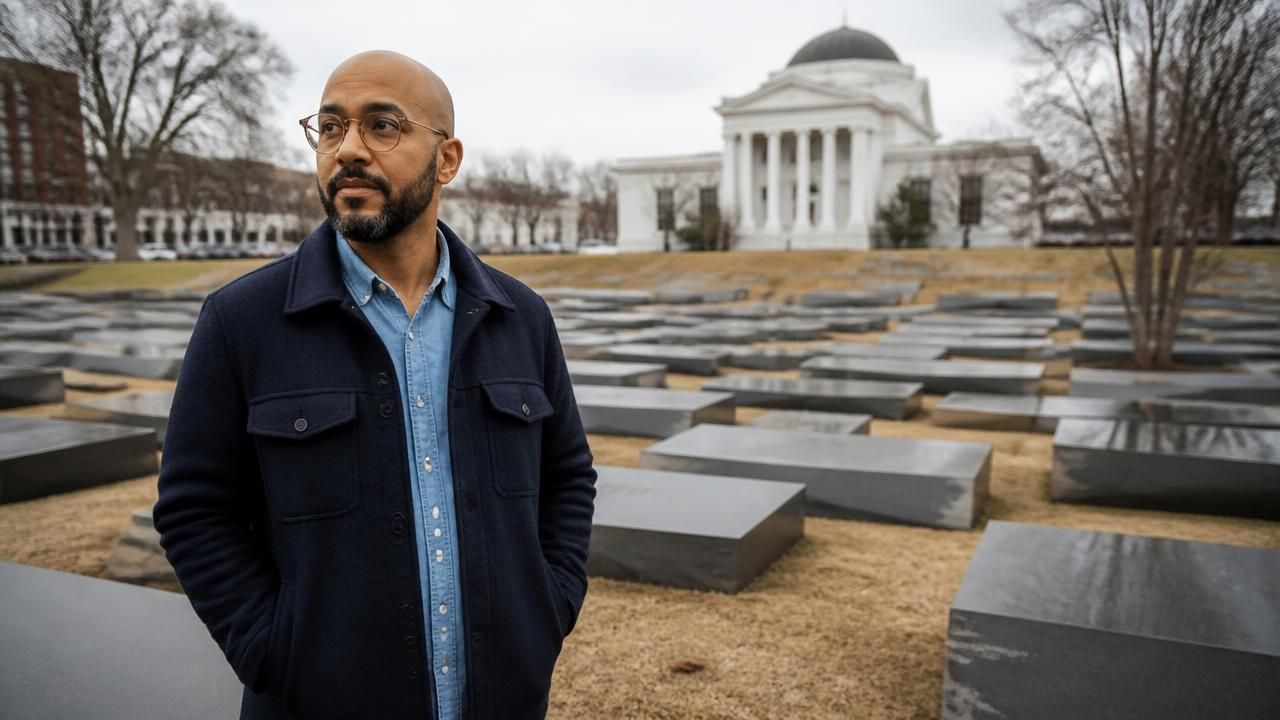
The question of how America remembers its history—especially the history of slavery—has never been more urgent. A cluster of recent books, memorials, and even local news stories across the country reflects a nation wrestling with both its founding sins and its current divisions. From the poetic testimonies of Clint Smith to the political anger at healthcare and military leadership, the threads are impossible to ignore.
The Literary Reckoning with Slavery
At the center of this introspection is poet and historian Clint Smith. In his acclaimed 2021 book How the Word Is Passed, Smith travels to plantations, prisons, and memorials to explore how slavery is—and isn't—taught in America. In interviews with NPR's Fresh Air in 2021 and 2023, Smith spoke candidly about the deceptions Americans often embrace. He later published Above Ground, a collection of poems dedicated to his children, reflecting on what their ancestors endured and escaped.
“How the Word Is Passed explores how slavery is — and isn't — taught,” Smith told Fresh Air, emphasizing the importance of confronting uncomfortable truths.
Smith is not alone. Greg Grandin's The Empire of Necessity explores the intertwined histories of slavery, freedom, and deception in the New World, while crime novelist James Lee Burke has been increasingly vocal about the South and the hatred burning through America. The magazine Self recently published a list of 31 essential books about racism and race in America, signaling a broad cultural appetite for this reckoning.
Memorials and Institutional Histories
This reckoning extends beyond books. Politico recently highlighted a memorial where slavery is real—a place that refuses to let visitors look away. Meanwhile, religious institutions are confronting their own genealogies: The Presbyterian Outlook published an examination of its entanglement with slavery, part of a broader movement among American institutions to acknowledge historical complicity.
Contemporary Fault Lines
The story of America's reckoning is not confined to history books. Today's headlines echo the same unresolved tensions, from protests against corporate power to debates over government accountability and international conflicts.
Healthcare, Violence, and Anger
In a dramatic federal court development, Luigi Mangione admitted to shooting UnitedHealthcare CEO and pleaded guilty—a case that has become a flashpoint for public anger over the healthcare system. Meanwhile, at a DeKalb town hall, Rep. Underwood faced constituents demanding answers on healthcare, federal budget cuts, and a potential war with Iran.
Accountability in Government and the Military
Sen. Ruben Gallego publicly criticized the handling of conditions on the USS Lincoln, saying,
“That's not proper leadership.”His remarks resonate with broader concerns about military leadership and accountability. In another legal battle, a judge dismissed the Trump administration's lawsuit alleging antisemitism at Harvard University, raising questions about the politicization of civil rights enforcement.
Community, Culture, and the Everyday
Beyond politics and history, communities across the country are experiencing their own transitions—some marked by loss, others by resilience in the face of nature and change.
Losses in the Arts
The cultural world mourned the passing of Ronald Bell, co-founder, songwriter, and producer of Kool & the Gang, at 68. In New York, the comedy community said goodbye to the Upright Citizens Brigade Theatre as it closed its locations, an event described as the “end of an era.” Detroit historian and record store owner, meanwhile, remembered her father's legacy in music and the city—a poignant reminder of the cultural threads that bind generations.
Environmental and Local Pressures
As technology races ahead, Florida introduced a bill targeting the water and energy impacts of massive AI data centers—a battle that will shape the state's future. Meanwhile, Illinois braced for heavy rains and struggled with storm damage in Lena, and Bay County beaches posted double red flags, a warning of dangerous surf.
Residents may also see a new state flag on the horizon: a survey asked whether Illinoisans want to redesign their flag, with results still being debated. And in a heartening international story, a U.S. missionary kidnapped in Niger was released, a rare piece of good news amid global turmoil.
Why This All Matters
What ties these stories together is a nation in motion—simultaneously looking backward and forward. The literary reckoning with slavery, the political fury over healthcare and leadership, the cultural mourning, and the environmental challenges all speak to a country trying to describe itself honestly. As Clint Smith says, the words we use and the stories we tell matter.
In this crowded news cycle, the past is never really past. Whether through a memorial, a poem, a town hall, or a weather report, America is constantly negotiating the distance between its ideals and its reality. The question is whether the reckoning will lead to genuine change.