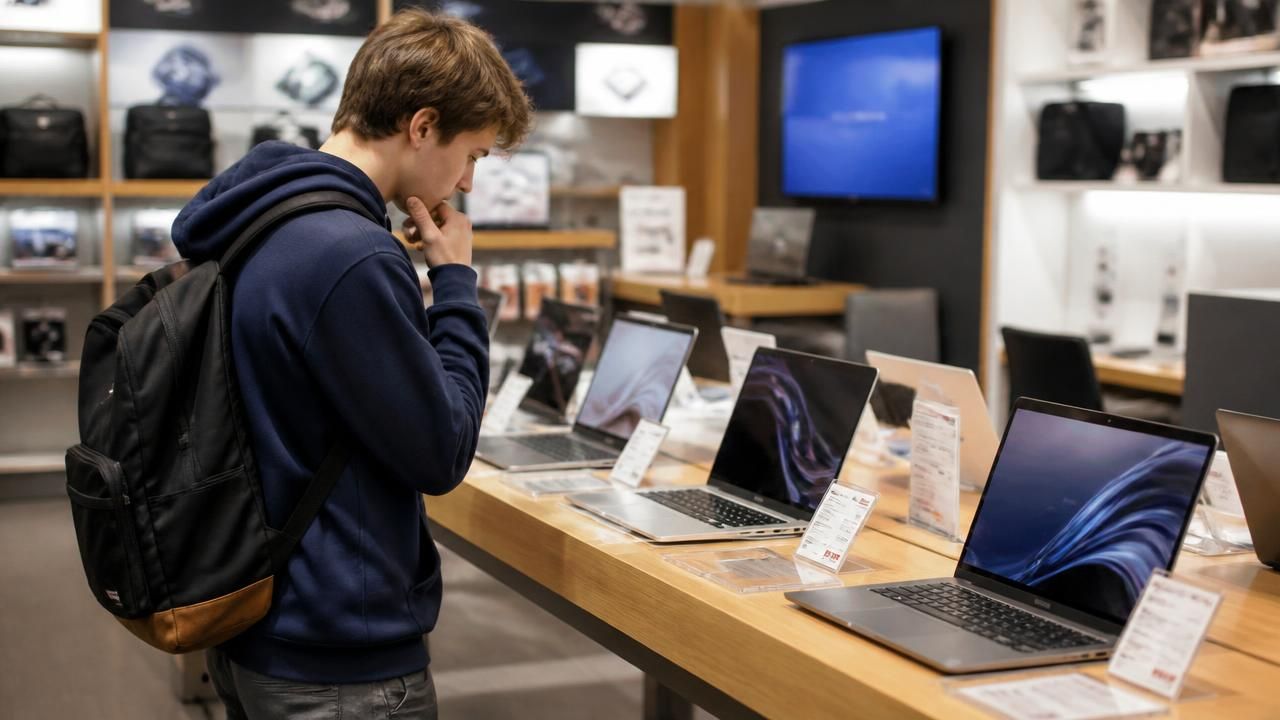
The back-to-school laptop shopping season has collided head-on with what industry watchers are calling “RAMageddon” — a severe global shortage of DRAM and NAND flash memory that is sending prices skyrocketing. From Apple MacBooks to Dell's XPS line, the cost of new laptops is climbing, and even Apple's traditional education discount has mysteriously disappeared. Yet despite the turmoil, experts say there are still reliable, affordable machines for students — if you know where to look and act fast.
A Perfect Storm: Why Laptop Prices Are Rising
The root cause is a supply-demand mismatch in memory chips. A years-long boom in AI data centers and cloud computing has consumed vast amounts of DRAM and NAND, leaving PC manufacturers scrambling for allocations. According to a report from PCMag, MacBooks are the latest victim of this memory shortage, with prices for Apple's lineup creeping upward. The problem isn't just current stock — memory suppliers have already allocated virtually all production through 2027, suggesting price pressure will continue well into next year.
Dell has been hit particularly hard. Mashable reports that the Dell XPS 14, a favorite among students and professionals, has seen significant price hikes amid the RAMageddon. The company has attributed the increases to component costs, and consumers are feeling the pinch at checkout. Meanwhile, Windows laptop makers like Asus and HP are also adjusting pricing, though some models remain competitively priced.
Apple Ghosts Students: The Missing Back to School Sale
One of the most conspicuous absences this season is Apple's annual Back to School promotion, which typically offers free AirPods or a gift card with Mac and iPad purchases. Tom's Guide notes that the sale is “mysteriously missing right now,” and speculates on why students are getting ghosted. The article suggests that Apple may be struggling to keep up with demand and simply doesn't need to offer incentives to move inventory. Another possibility: the company is quietly adjusting its marketing strategy due to margin pressure from the memory crunch.
“Apple's Back to School sale is mysteriously missing right now — and I think I know why students are getting ghosted.”
— Tom's Guide
The timing is unfortunate for students, many of whom rely on the annual discount to afford a Mac. However, Apple's standard education pricing still exists, and the absence of the promotion might prompt some to consider alternatives.
Best Laptops for College: What Experts Recommend
For students who need a new machine now, Mashable's expert testing team has weighed in with a list of the six best laptops for college in 2026. The recommendations span both macOS and Windows, with models from Apple, Dell, Asus, HP, and others. Among the highlights:
- MacBook Air — Still the gold standard for all-around student use, offering excellent battery life, build quality, and performance.
- MacBook Neo — A newer addition to Apple's lineup, positioned between the Air and Pro, and praised for its value.
- MacBook Pro — For power users in engineering, design, or media, the Pro remains a powerhouse, but its price has risen notably.
- Dell XPS 14 — Despite price hikes, it still earns a spot for its premium display and solid build.
- Asus Zenbook — A Windows alternative that balances cost and performance.
- HP Spectre — Known for its sleek design and long battery life.
The full comparison (from Mashable) notes that while MacBooks dominate the top picks, Windows laptops offer more flexibility for those on a tighter budget, especially if they catch a sale.
The Verge's Advice: Buy for Longevity, Not Just Price
In a comprehensive guide, The Verge offers a reality check for budget-conscious students. The outlet's editors acknowledge that prices are “out of whack,” but argue that spending a bit more now can save money in the long run. “You can get a mostly tolerable laptop for under $500 and a good one for around $700,” the guide notes, “but spending more to get something like a MacBook Air gets you better build quality and enough performance headroom to last through four years of college and well beyond.”
The Verge also points out that many of its writers and editors are still using M1 MacBook Airs from 2020 — a testament to their durability and sustained performance. The key, they argue, is to avoid buying a machine that feels slow or janky on day one, because it will only get worse as software demands grow.
What Should Students Do Now?
Given that memory costs are expected to keep rising, experts recommend buying as soon as possible if you need a laptop this year. Waiting is likely to lead to even higher prices. For those unable to afford a premium Mac, the refurbished market remains a smart option, as does shopping for last-generation models that are still in stock.
Additionally, students should check their school's recommendations — some universities negotiate special deals with manufacturers, which can offset the general price increases. It's also worth tracking discount events like Black Friday, though it's unclear how much inventory will be available by then.
The Bigger Picture
The current laptop price surge is not an isolated event; it's a symptom of a broader tech industry reshuffle. The memory shortage has been driven by surging demand for AI infrastructure, and analysts predict it could persist for years. For students and everyday consumers, that means the era of cheap, easily upgradeable laptops may be temporarily over. But as the Mashable tests show, quality machines still exist — they just cost a bit more than they did a year ago.
As one IT analyst put it, “The best laptop is the one you can get now, before prices climb again.”