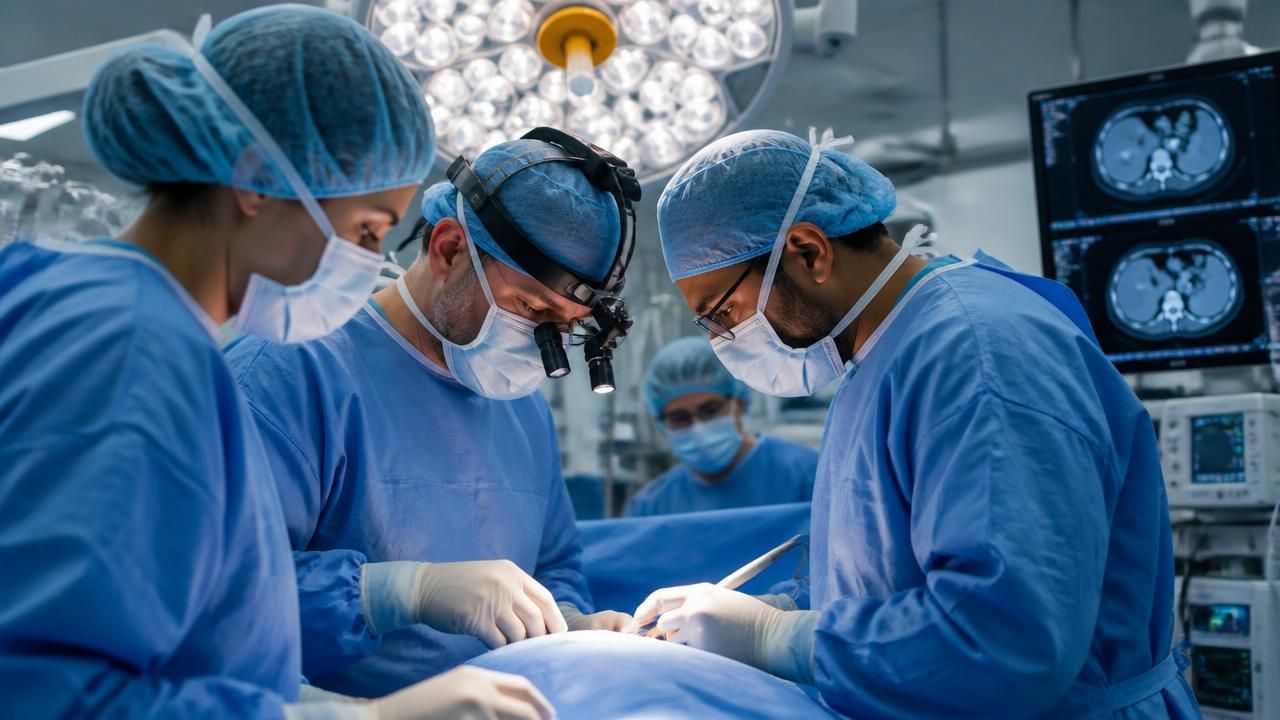
For all the advances in cancer detection and treatment, one critical aspect of care has quietly gotten worse in the United States over the past decade: how long patients must wait for surgery. A new study published in JAMA Surgery reveals that wait times for operations to treat six common cancers — breast, colon, lung, pancreatic, gastric, and esophageal — have increased significantly since 2012, a trend that researchers say is linked to poorer survival rates and greater patient distress.
The study, led by cancer expert Timothy Donahue at the University of California, Los Angeles, analyzed data from more than 2.7 million patients diagnosed with non-metastatic stage I–III cancers requiring surgery between 2012 and 2023. The researchers broke the period into four intervals — 2012–2015, 2016–2019, 2020–2021, and 2022–2023 — and found that wait times consistently lengthened over time. Timeliness is a core metric of healthcare quality, and delays in cancer surgery have been linked to poorer outcomes, including reduced survival rates and increased patient anxiety and distress, as noted by Ars Technica.
The Study: A Decade of Delays
The findings are stark. Across all six cancer types, median wait times from diagnosis to surgery grew year over year. For example, the study showed that patients with pancreatic cancer, one of the most aggressive forms, experienced some of the longest delays, despite the urgency of early intervention. The COVID-19 pandemic exacerbated the trend, but the increase began well before 2020, suggesting systemic issues rather than a temporary crisis.
- Over 2.7 million patients included in the analysis
- Six cancer types: breast, colon, lung, pancreatic, gastric, esophageal
- Non-metastatic stage I–III cancers
- Comparison periods: 2012–2015, 2016–2019, 2020–2021, 2022–2023
Why Are Wait Times Growing?
Experts point to a confluence of factors. In the United States, a critical surgeon shortage has been brewing for years. The American College of Surgeons (ACS) has issued urgent calls for action, warning that an aging workforce and insufficient training capacity are straining the system. Meanwhile, hospitals face rising imaging backlogs, preauthorization hurdles from insurers, and understaffed operating rooms. Robert Donahue and his team did not identify a single cause, but they noted that delays were widespread across different cancers and regions, implying structural problems.
The ACS highlights that the number of surgeons entering the field has not kept pace with demand. Additionally, as the population ages, more cancer diagnoses are being made, further overwhelming available resources. The study's authors also speculate that increased use of neoadjuvant therapy — giving chemotherapy or hormone therapy before surgery — may add to wait times, though this is often clinically appropriate. A separate study from the Institute of Cancer Research in the UK found that longer courses of hormone therapy before breast cancer surgery have a greater impact on tumour growth, but this must be balanced against the risks of delaying definitive treatment.
Insurance and Administrative Burdens
BreastCancer.org reported a worrying development: an insurance coding change may limit access to DIEP flap breast reconstruction surgery, forcing patients to seek alternative, sometimes less ideal, procedures. Such administrative barriers can introduce additional weeks or months of delays. Similarly, a report from HealthCentral underscored the anxiety patients face while waiting for breast cancer surgery, asking the question on every patient's mind: “How urgent is it?”
The Human Cost: Stories From the Front Lines
The consequences of these delays are not abstract — they play out in real lives. In Canada, where wait times have long been a political flashpoint, the Fraser Institute reported that Canadians face the longest waits for health care on record. A Port Moody mother with terminal cancer told the Vancouver Sun she faced months-long waits for treatment, spending precious time in limbo while her disease progressed. In Ottawa, breast cancer surgery wait times have become so long that women are heading to a private clinic in Montreal, as the Ottawa Citizen revealed.
Across the Atlantic, the BBC has documented a “never-ending queue” in UK hospitals, with prostate cancer patients facing long waits at regional centres and breast surgery waiting lists in Sheffield drawing calls to cut them. The cancers with the longest treatment waits have been laid bare, with some patients forced to wait years for breast reconstruction after mastectomy.
“I thought I could get it sorted in a couple of days,” one Australian woman told ABC News, describing the shock of lengthy mammogram waits and out-of-pocket costs — a sentiment that echoes across countries.
In Alberta, a Calgary man frustrated by long hip replacement wait times chose to travel to Lithuania for surgery, while a CityNews report noted that Albertans wait longer than most Canadians for hip and knee replacements. The Alberta Cancer Association described cancer care as “strained and under-resourced.”
International Perspectives and the Universal Care Debate
The new US study lands amid an ongoing debate about healthcare systems. Conservative think tanks like the Fraser Institute and the American Progress have clashed over whether wait times are an inevitable feature of universal coverage or a fixable flaw. American Progress argues that “the truth on wait times in universal coverage systems” is that they are often shorter than in the US for many procedures, while the Fraser Institute contends that government-run systems create rationing. The Commonwealth Fund asks whether the US effectively rations care through cost, rather than queues, noting that millions of Americans delay treatment due to copays and deductibles.
Data from World Population Review shows that US wait times for elective surgery are often shorter than in Canada or the UK, but for cancer — a time-sensitive disease — the delays are especially concerning. The new study suggests the US is losing its edge in cancer surgery timeliness, even as other outcomes improve.
Policy Implications and Solutions
Addressing the problem will require systemic change. The ACS calls for expanding surgical residency programs, improving loan repayment incentives, and leveraging technology to triage patients more efficiently. Telemedicine and AI-based diagnostic support could help reduce imaging delays, as noted in several analyses. For cancer surgery, prioritization guidelines can help ensure that high-risk patients—such as those with pancreatic or esophageal cancer—are not put behind less urgent cases.
Some regions are experimenting with innovative approaches. In Canada, the province of Alberta is considering vouchers to get patients surgery faster, including at private facilities. Nova Scotia is emerging as a leader in shorter surgical wait times, proving that policy changes can make a difference. In the UK, the NHS is exploring dedicated cancer hubs to reduce queues.
For now, the JAMA Surgery study serves as a wake-up call. As the US grapples with its own healthcare challenges, the message is clear: better cancer outcomes mean little if patients cannot access lifesaving surgery in time. The wait is not merely an inconvenience — for many, it is a matter of life and death.