The Democratic Republic of the Congo's (DRC) Ebola outbreak has reached a sixth province, officials confirmed this week, as the head of the World Health Organization (WHO) warned that the epidemic is on track to become the deadliest in history. The latest development underscores the alarming speed and geographic reach of a virus that has already claimed more than 2,100 lives out of over 4,500 confirmed and probable cases, according to government figures released Tuesday.
The outbreak, now widely described as the fastest-growing on record, has spread to Bas-Uele province after a man who travelled from the neighboring Haut-Uele province died of the disease. This expansion comes just one day after WHO Director-General Tedros Adhanom Ghebreyesus said the current epidemic could surpass the devastating 2014–2016 West Africa outbreak, which killed at least 11,000 people. At the same point in that earlier crisis, fewer than 800 cases had been recorded, making the current trajectory dramatically steeper.
A Crisis in Numbers
The statistics are staggering. According to the latest official data, the DRC has recorded more than 4,500 cases and 2,100 deaths since the outbreak began in August 2018. By comparison, the 2014–2016 West Africa outbreak—the deadliest in history—had only 755 cases at a comparable stage, according to WHO data. The current epidemic has already become the second-largest Ebola outbreak ever recorded, and it shows no signs of slowing.
As of early May, the death toll had surpassed 2,000, according to reports from NBC News and Newsday. Earlier figures from Yahoo News and the New York Post had placed the toll at more than 1,500, illustrating how rapidly the virus has continued to claim lives. The outbreak has also become the fastest-growing in history, with new cases emerging at a pace that has overwhelmed containment efforts.
Geographic Spread and Containment Challenges
The confirmation of a case in Bas-Uele province—located in the far north of the country—marks the sixth province affected by the outbreak. The patient was a man who had recently traveled from Haut-Uele, a province that has been one of the epicenters of the epidemic. Health officials say this mobility is a major challenge, as the virus continues to hop between communities and regions, often through informal trade routes and family visits.
Dr. Matshidiso Moeti, the WHO Regional Director for Africa, emphasized the difficulty of containing the virus in a region marked by active conflict and population movement. “The geography is daunting. The security situation is complex. And each new case in a new area requires a rapid, coordinated response to prevent further spread,” she said in a statement.
Community Mistrust and Misinformation
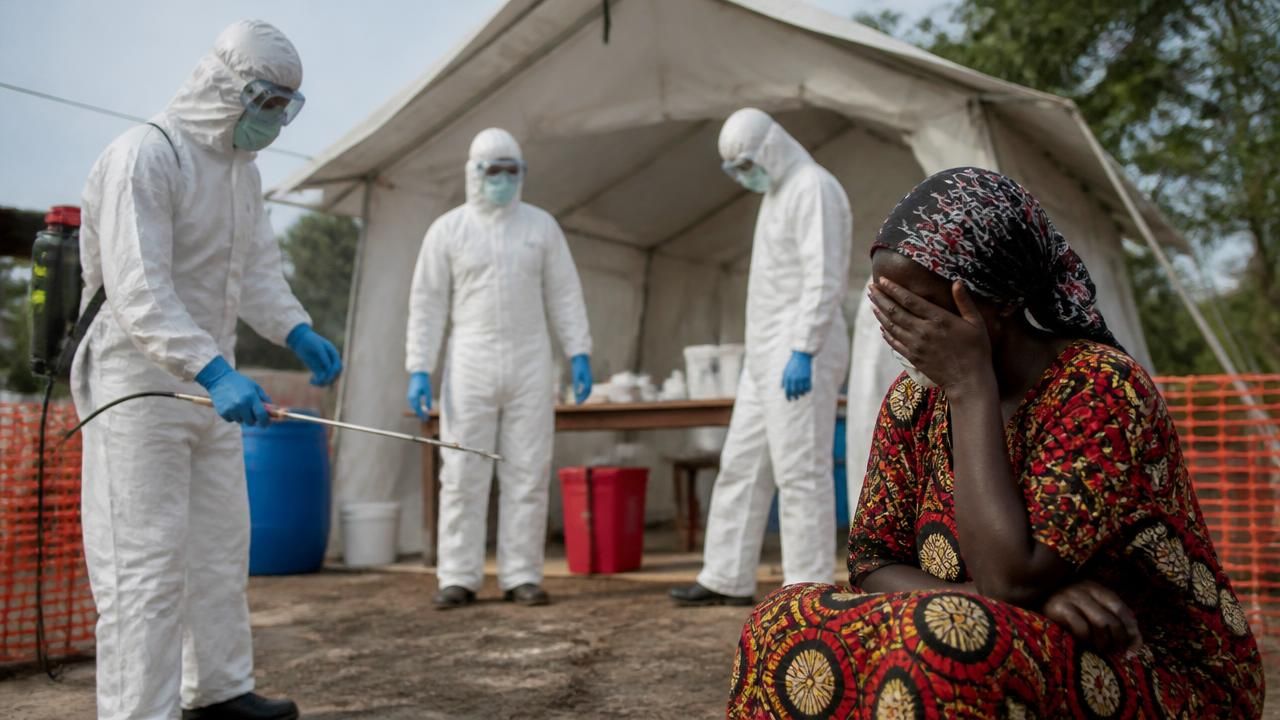
One of the most troubling aspects of the outbreak has been the persistent community mistrust and misinformation that have hindered response efforts. In recent weeks, arsonists have torched Ebola treatment centers, forcing health workers to pause operations. These attacks are fueled by rumors, conspiracy theories, and a deep-seated suspicion of outside aid workers, according to reports from Yahoo News.
“People here are scared. They don’t believe Ebola is real, or they think we are trying to kill them,” said a local health volunteer who asked not to be named. “When we show up in our protective suits, they run away. Some have even attacked our vehicles.”
Misinformation has spread through social media, religious leaders, and word of mouth, often claiming that Ebola is a hoax or that treatment centers are used for organ harvesting. This distrust has led some families to hide infected relatives, increasing the risk of transmission.
Building Trust as a Countermeasure
In response, health authorities and non-governmental organizations are increasingly focusing on building trust within communities as a core component of the response. Forbes contributor and public health expert Dr. Anna Fetter highlighted that “community engagement is not a luxury; it is a life-saving intervention.” Initiatives include training local health workers, engaging community and religious leaders as messengers, and adapting burial practices to respect cultural traditions while ensuring safety.
In one notable success, health workers in the city of Beni have worked with local chiefs to create safe burial teams that include family members. This has helped reduce the number of unsafe burials, which are a major source of transmission. “We have to listen to the people, understand their fears, and answer their questions honestly,” said one aid worker. “Trust cannot be imposed; it must be earned.”
International Response and Outlook
The international community has ramped up funding and logistics, but experts warn that the outbreak is far from controlled. The WHO has repeatedly stressed that the current response is underfunded and that the virus will not stop until every case is traced and isolated. The DRC government, which has been praised for its rapid response in earlier Ebola outbreaks, is now facing a much more complex and dangerous situation.
“We are at a critical juncture. If we do not get this under control now, we could see an outbreak that rivals the 2014–2016 disaster in West Africa.” — WHO Director-General Tedros Adhanom Ghebreyesus
The coming weeks will be crucial. As the outbreak spreads to new provinces, the risk of regional and international transmission grows. Neighboring countries, including Uganda, Rwanda, and South Sudan, have already begun screening travelers and preparing vaccination campaigns. The Ebola vaccine, which has been used extensively in the DRC, has proven effective, but logistics and community acceptance remain major hurdles.
Conclusion
The DRC's deadly Ebola outbreak is a public health emergency of global concern. With over 2,100 deaths, 4,500 cases, and six provinces affected, the situation is deteriorating faster than ever before. While the virus is still concentrated in the DRC, its relentless spread and the challenges of community mistrust, violence, and misinformation threaten to turn this crisis into a catastrophe. The world must act now—not only with resources, but with a genuine commitment to winning the trust of the people at the heart of this epidemic.
As one Congolese health worker put it: “We can stop Ebola, but only if we do it together, with our communities, not against them.” The answer to this outbreak lies not just in science, but in solidarity.