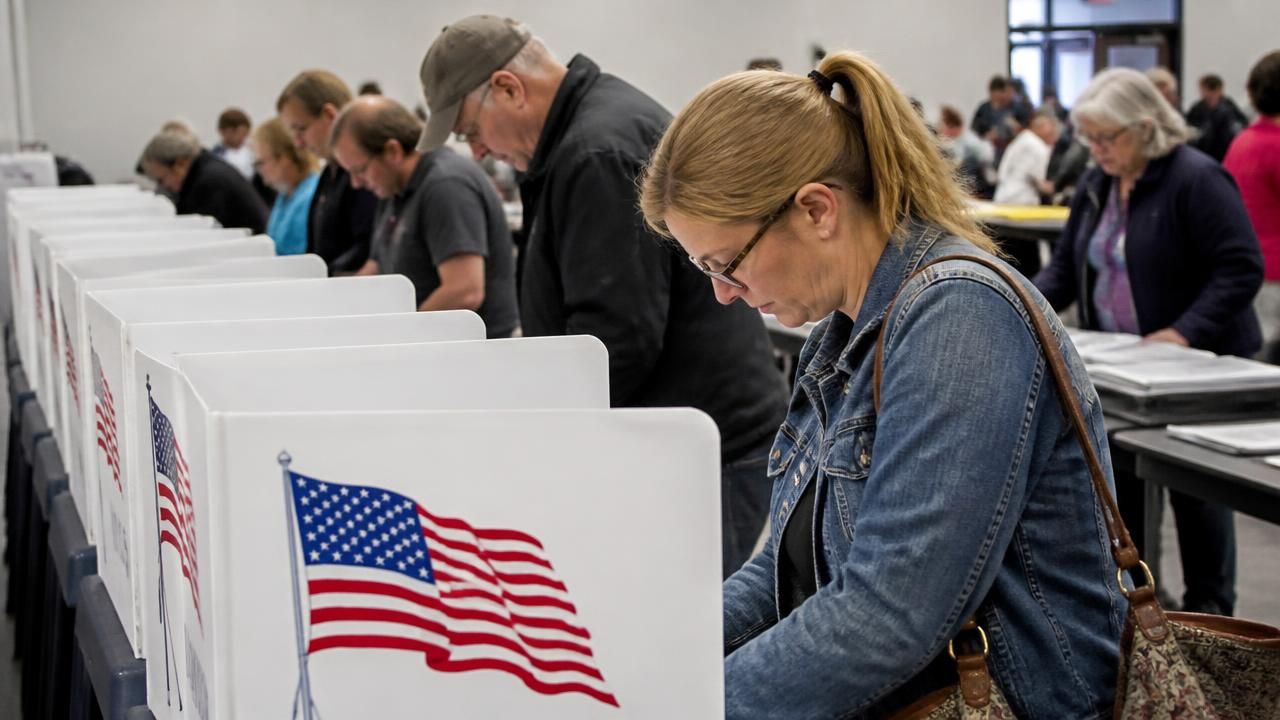
Voters across six states went to the polls on Tuesday, delivering a clearer picture of the political landscape ahead of November's midterm elections. From Minnesota to Wisconsin, primary results underscored the ongoing ideological conflicts within both the Democratic and Republican parties, setting up general-election contests that will test each party's ability to unify its base.
According to NPR, the results highlight "the ongoing conflicts within both parties ahead of November's midterms." While the specifics varied by state, several overarching themes emerged from the night's voting.
The Battleground: Six States, Multiple Contests
Tuesday's primaries took place in Wisconsin, Minnesota, and four other states—a mix of gubernatorial, congressional, and state legislative races. Key matchups included high-profile Senate and House primaries that drew national attention and significant outside spending.
In Wisconsin, voters chose candidates for governor and a crucial Senate seat. Minnesota saw competitive primaries for the governor's mansion and several House districts. The remaining states—reportedly including Connecticut, Vermont, and others—provided additional data points on the mood of the electorate.
Democratic Primaries: Progressive vs. Establishment
On the Democratic side, many races pitted progressive insurgents against establishment-backed incumbents or moderates. These contests mirrored the broader national struggle between the party's left wing and its centrist leadership.
"The results highlight the ongoing conflicts within both parties ahead of November's midterms," noted NPR in its analysis.
In some districts, progressive challengers succeeded in ousting entrenched incumbents, while in others, moderate candidates fended off leftward challenges. These outcomes will shape the Democratic agenda in Congress and statehouses, as well as the party's messaging on issues like healthcare, climate change, and economic inequality.
Republican Primaries: Trump's Shadow Looms Large
On the Republican side, the influence of former President Donald Trump was a dominant theme. Many races featured candidates backed by Trump facing off against more traditional conservatives or those seen as insufficiently loyal to the former president.
In several states, Trump-endorsed candidates won handily, signaling his continued grip on the GOP base. However, in other contests, anti-Trump Republicans or more pragmatic candidates managed to prevail, suggesting that the party's direction is not monolithic. These intra-party fights could complicate Republican efforts to win swing voters in November.
Framing the Story: Differing Media Perspectives
Different outlets framed the evening's results in distinct ways. NPR emphasized the internal party battles, calling them "four takeaways" that highlight fractures in both parties. MSN and NBC New York provided straightforward lists of key takeaways, focusing on the most consequential races and what they mean for November.
Meanwhile, PBS News focused on the broader implications for the midterms, analyzing how primary outcomes might affect control of Congress. Some outlets, such as VPM and North Country Public Radio, paired the primaries coverage with a separate story about an Iran threat that reportedly prompted a secret plane swap involving former President Trump—a reminder that national security issues could also influence the election season.
Historical Context: Midterm Primaries as Bellwethers
Primary elections have long served as indicators of party mood and organizational strength. In recent cycles, primary outcomes have often predicted broader trends—such as the 2010 Tea Party wave that reshaped the Republican Party, or the 2018 progressive surge within the Democratic Party.
This year, with control of both chambers of Congress at stake, the stakes are particularly high. Historically, the president's party tends to lose seats in midterms, and with President Joe Biden's approval ratings hovering near historic lows, Republicans are favored to make gains. However, the divisive nature of Tuesday's primaries could complicate both parties' paths to victory.
Voter Turnout and Enthusiasm
Early data suggested robust turnout in several states, a sign of heightened political engagement. High turnout often benefits the party with more energized supporters—a factor that could be decisive in November's typically low-turnout midterm elections.
"Voters in Wisconsin, Minnesota and several other states went to the polls Tuesday," reported NPR, "and results highlight the ongoing conflicts within both parties." Those conflicts may galvanize activists, but they could also alienate moderate voters who are put off by infighting.
What Tuesday's Results Mean for November
The most crucial takeaway from Tuesday's primaries is that both parties remain deeply divided. For Democrats, the progressive-moderate split could depress turnout among key constituencies if not bridged. For Republicans, the Trump loyalty test may have produced candidates who are too extreme for swing districts, potentially costing the party winnable seats.
Nevertheless, primaries also provide an opportunity for parties to clarify their platforms and rally around nominees. The months between now and November will be critical as candidates pivot to general-election mode, seeking to expand their appeal beyond their partisan bases.
As analysis from PBS News and other outlets suggests, the results are not just about individual races—they are a preview of the political realignments shaping American democracy. Whether the divisions exposed on Tuesday will heal or widen remains to be seen, but one thing is clear: the road to November will be fraught with internal conflicts and high-stakes maneuvering.
In the coming weeks, all eyes will be on how these primary victors navigate their party's factions, build coalitions, and prepare for the general election. The outcomes in these six states have set the stage—now the broader battle for control of Congress begins in earnest.