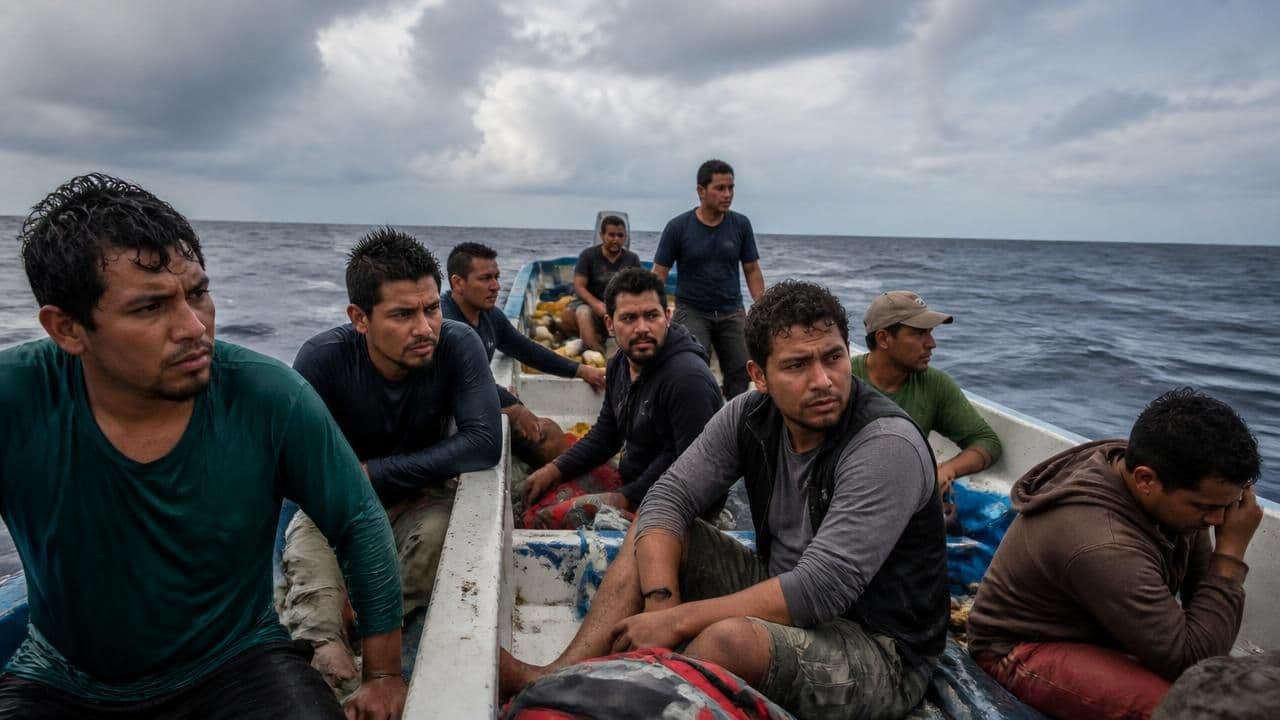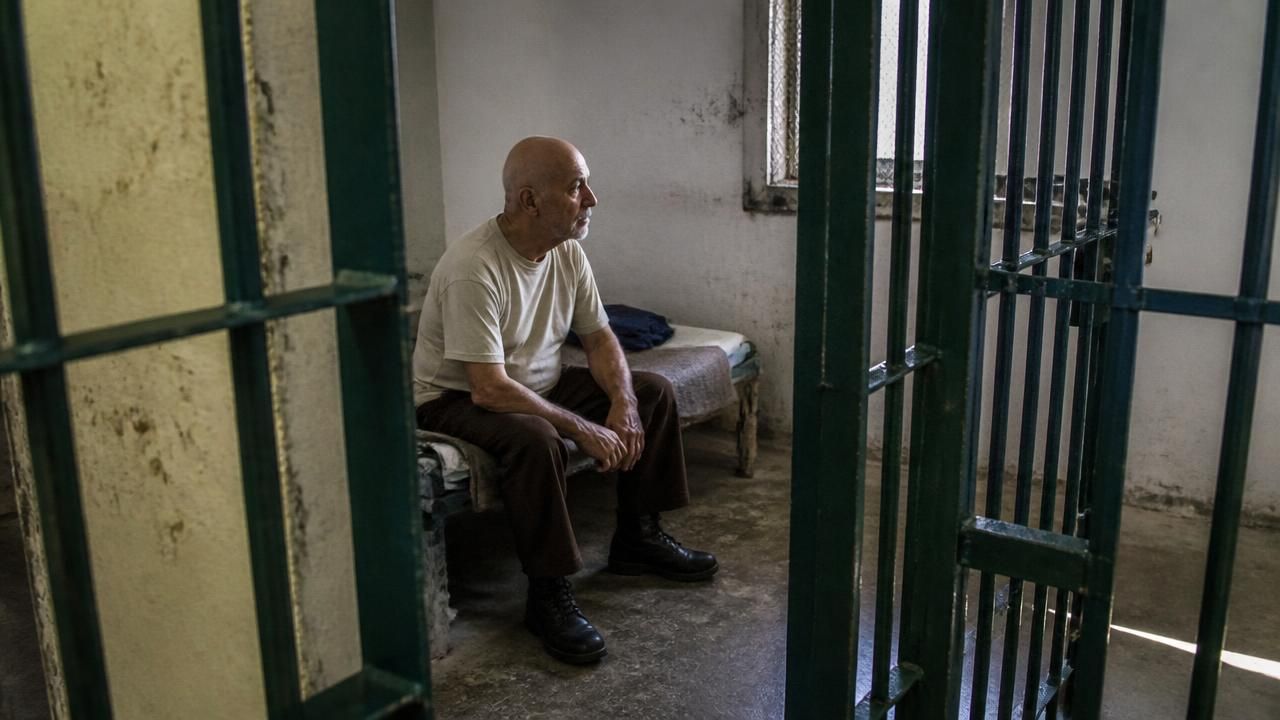
In a prison cell in Eswatini—a small African kingdom he had never heard of—Roberto Mosquera, a Cuban immigrant who had lived in the United States since 1980, began a hunger strike. Arrested by ICE last year, Mosquera had already served his time for a 1996 conviction and been released. But instead of freedom, he was swept into a shadowy system of deportations to third countries. From his cell, he told The New York Times Magazine: “I don’t know why I’m here. I’m not a criminal anymore. I paid my debt.”
Mosquera’s ordeal is not an isolated case. It is part of a growing, often secretive pattern in which the United States sends deportees not to their home countries, but to prisons in nations that have agreed to accept them—sometimes with catastrophic consequences. The practice has drawn sharp criticism from human rights groups, legal experts, and even some U.S. officials, as reports emerge of torture, forced labor, and indefinite detention in facilities ranging from El Salvador’s notorious mega-prison to makeshift detention camps in Africa.
A Prison in Africa: The Case of Roberto Mosquera
Mosquera, 74, had been a lawful permanent resident since 1980. In 1996, he was convicted of a drug offense and served his sentence. But in 2024, ICE arrested him and deported him to Eswatini (formerly Swaziland), a country with which he had no ties. The Guardian reported that Mosquera was trapped in a “catch-22”: he could not challenge his deportation because the U.S. claimed he was not a citizen, and he could not return to Cuba because the U.S. does not have diplomatic relations with Havana. “He’s been erased,” his lawyer said. “The system has no interest in due process.”
The Witness, a South African outlet, also highlighted the case of a Cambodian deportee held in the same Eswatini facility, describing “misery” and a lack of basic medical care. These cases echo a broader trend: the Trump administration has aggressively expanded “third-country deportation” agreements, often paying foreign governments to imprison people the U.S. wants to expel.
El Salvador’s ‘Cemetery of the Living Dead’
Perhaps the most harrowing accounts come from El Salvador, where 238 Venezuelan deportees—alleged members of the Tren de Aragua gang—were sent in March 2025. The men were flown to the Centro de Confinamiento del Terrorismo (CECOT), a mega-prison built to hold 40,000 people. Survivors described 125 days of horror: food crawling with maggots, water so scarce they drank from toilets, and beatings by guards. “It was a cemetery of the living dead,” one Venezuelan told The Guardian. “We were not human anymore.”
Venezuela’s government says the migrants were tortured and has demanded their return. The BBC reported that the deportations were based on a “points system” used by U.S. officials to classify alleged gang members—a system lawyers say is arbitrary and lacks evidence. In a strange twist, El Salvador and the U.S. have been negotiating a prisoner swap with Venezuela, raising questions about whether the deportees are being used as bargaining chips.
“We were not human anymore.” — A Venezuelan deportee describing CECOT prison in El Salvador
Even an American citizen has been swept into the El Salvador system. The Intercept revealed that a U.S. citizen, stuck since the Biden administration, remains imprisoned without charge. His family says he was coerced into signing a voluntary deportation form. “They told him he would be released if he signed,” his sister said. “Instead, he was flown to hell.”
Legal Battles and Diplomatic Fallout
The growing backlash has led to court orders and diplomatic crises. Costa Rica’s Supreme Court ordered the government to free migrants who had been deported from the U.S. and were being held illegally. The court found that the deportations violated international law and Costa Rican sovereignty. In another case, U.S. officials reportedly planned to deport migrants to Libya, despite a “clear” violation of a court order. The Guardian obtained documents showing ICE officers themselves were stranded in Djibouti under “outrageous” conditions after a federal judge blocked their deportation flights.
Even U.S. allies have felt the sting. A Canadian man detained by ICE for two weeks described it as “kidnapping.” “They took my phone, my wallet, my belt,” he told The Guardian. “I had no idea why I was there. I felt completely powerless.”
A Global Pattern of Abuse
While the U.S. is the epicenter, the phenomenon is global. In Mexico, Haitian refugees are trapped in a “roofless prison,” as the U.S. pays Mexico to contain them. In the UAE, hundreds of African workers awaiting deportation are detained and abused. In Albania, African migrants face exploitation “like prison.” In Russia, African migrants say their “only prospect is to be deported.” And in China, a young South African spent five months in a detention center, while 14 South Africans remain in Zimbabwean jails.
This patchwork of misery reflects a broader erosion of human rights, as countries around the world outsource migration control to third parties. As Michelle Alexander, author of The New Jim Crow, has argued, the roots of today’s mass incarceration crisis date back to slavery and Jim Crow, and the current deportation regime extends that legacy across borders.
What Next?
Human rights groups are calling for an immediate halt to third-country deportations and for the U.S. to allow independent oversight of detention facilities. The Biden administration has continued many of Trump’s policies, despite campaign promises to reverse them. The courts, meanwhile, are stepping in—but slowly, and often after irreparable harm has been done.
For Roberto Mosquera, the wait continues. “I just want to go home,” he said. “I’ve been in America for 44 years. This is not who we are.”
But until the system is changed, thousands like him will remain trapped in a global network of prisons, hidden from public view.