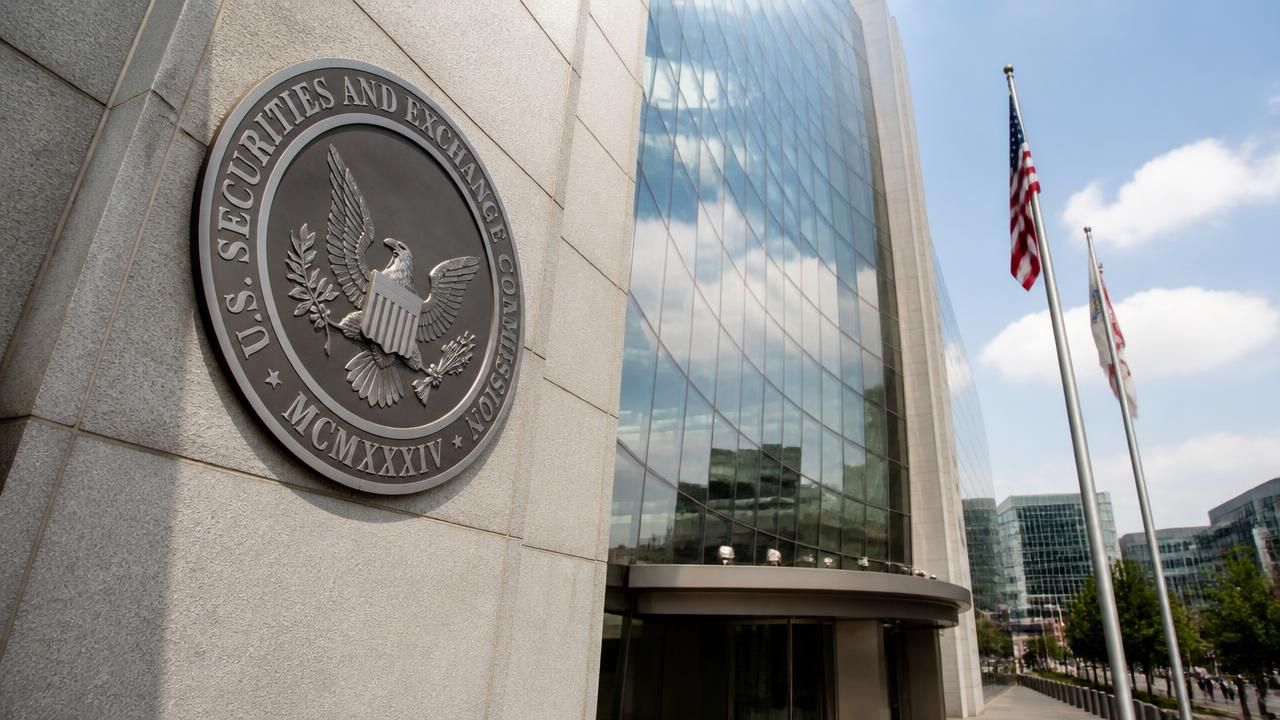
The U.S. Securities and Exchange Commission (SEC) has settled fraud charges against investment adviser Adit Ventures and its co-founder Eric Munson, resolving allegations that they misled investors in schemes involving pre-IPO shares of high-profile companies such as SpaceX and Klarna. The settlement, announced amid a broader regulatory crackdown on private-market investing, marks a significant moment for the increasingly popular but opaque world of pre-IPO share deals.
A $120 Million Allegation
According to the SEC's complaint, Adit Ventures and Munson made false claims about their investment strategy and charged clients millions of dollars in undisclosed fees to buy shares of companies including SpaceX and Klarna before they were offered to the public. The regulator alleged that the scheme involved approximately $120 million in investor funds. The SEC charged three individuals in connection with the alleged fraud, though their names have not been fully disclosed in early reports.
The case drew attention not only for the size of the alleged fraud but also for the marquee companies involved. SpaceX, the private space exploration firm founded by Elon Musk, and Klarna, the Swedish payments giant, have become darlings of the pre-IPO investment world, with investors eager to gain exposure before their eventual public listings. The SEC's action highlights the risks that accompany such opportunities, particularly when advisers promise access to these coveted shares without proper disclosure.
The alleged "0/0" pitch—a promise of zero risk and zero downside—used to lure investors into pre-IPO schemes has become a red flag for regulators.
Settlement and Charges
The settlement resolves the civil charges brought by the SEC. Without admitting or denying the allegations, Adit Ventures and Munson agreed to a judgment that includes penalties and injunctions against future violations. The exact financial terms were not immediately disclosed, but sources familiar with the matter indicated that the settlement includes significant monetary relief for affected investors.
The SEC's complaint alleged that the firm's misrepresentations extended beyond fees. Adit Ventures reportedly told investors that their money would be used to purchase shares directly, when in fact portions were diverted for undisclosed compensation. This kind of deception, regulators say, undermines trust in the financial markets and is a top priority for enforcement.
Pre-IPO Fraud: An Enforcement Priority
The Adit Ventures case is part of a broader pattern of regulatory action targeting the private markets. In recent months, the SEC has also charged Zymergen for "unsupported hype" in its IPO, accused the founder of Infinity Q of a "billion-dollar valuation fraud," and taken action against a convicted criminal over a fraudulent coin offering. These cases reflect a concerted push by the agency to bring transparency to an area traditionally dominated by accredited investors and insiders.
The SEC's focus on pre-IPO investments has been further highlighted by its actions against other firms. Phoenix American Hospitality recently settled an SEC fraud action over hotel fund investor claims, and Edward Jones agreed to a multi-state enforcement settlement for alleged sales practice violations. Even abroad, regulators are paying attention: Nigeria's SEC halted Dangote Refinery IPO promotions amid similar concerns, while South Korean authorities raided K-pop agency HYBE over alleged fraudulent trading. These actions demonstrate a global acknowledgment that pre-IPO and private-market investments require rigorous oversight.
Legal Experts Weigh In
Legal observers have noted that the Adit Ventures complaint marks a significant development in how the SEC—under its current leadership—treats conflicts of interest. In an analysis, law firm Akin Gump observed that the SEC's complaint emphasizes that conflicts of interest must be "material" to constitute fraud. This could signal a more nuanced approach to enforcement, one that considers whether the conflict actually affected investor decision-making.
"The SEC is drawing a clearer line between a conflict that is merely disclosed and one that is actively concealed," said a securities attorney familiar with the case. "The allegation here is that the undisclosed fees changed the economics of the investment, making it a fraud rather than a simple breach of fiduciary duty." This interpretation could influence how future cases are litigated, particularly in the fast-growing market for private securities.
Related Civil Litigation and Criminal Exposure
In a separate but related matter, a Florida fund manager has filed a fraud suit against WCEP, citing a "0/0" pitch—a promise of zero risk and zero downside—in connection with SpaceX pre-IPO shares. That lawsuit, which remains pending, mirrors some of the SEC's allegations and suggests that private litigation is running parallel to regulatory enforcement.
Pre-IPO fraud is not just a civil issue. Investment Executive reported that "pre-IPO fraudsters get jail time," referring to criminal convictions in similar cases. This underscores the potential for criminal exposure for those who mislead investors in the private markets. The U.S. Department of Justice has worked alongside the SEC in several recent cases, signaling that egregious conduct could lead to criminal prosecution.
What Investors Should Take Away
- Pre-IPO investments often carry significant risks, including a lack of liquidity, limited disclosure, and high volatility.
- Undisclosed fees can dramatically reduce net returns; investors should demand full transparency and independent verification.
- Regulatory actions, while offering some recourse, cannot always recover lost funds, so careful due diligence is essential.
- Promises of "zero risk" or "guaranteed returns" are red flags and should be viewed with skepticism.
The settlement with Adit Ventures and Munson does not spell the end of the SEC's campaign. As private markets continue to grow, enforcement is likely to remain a priority. Investors should tread carefully, and advisers should heed the lessons of this case: full disclosure is not just a legal requirement—it is the bedrock of trust in the financial system.