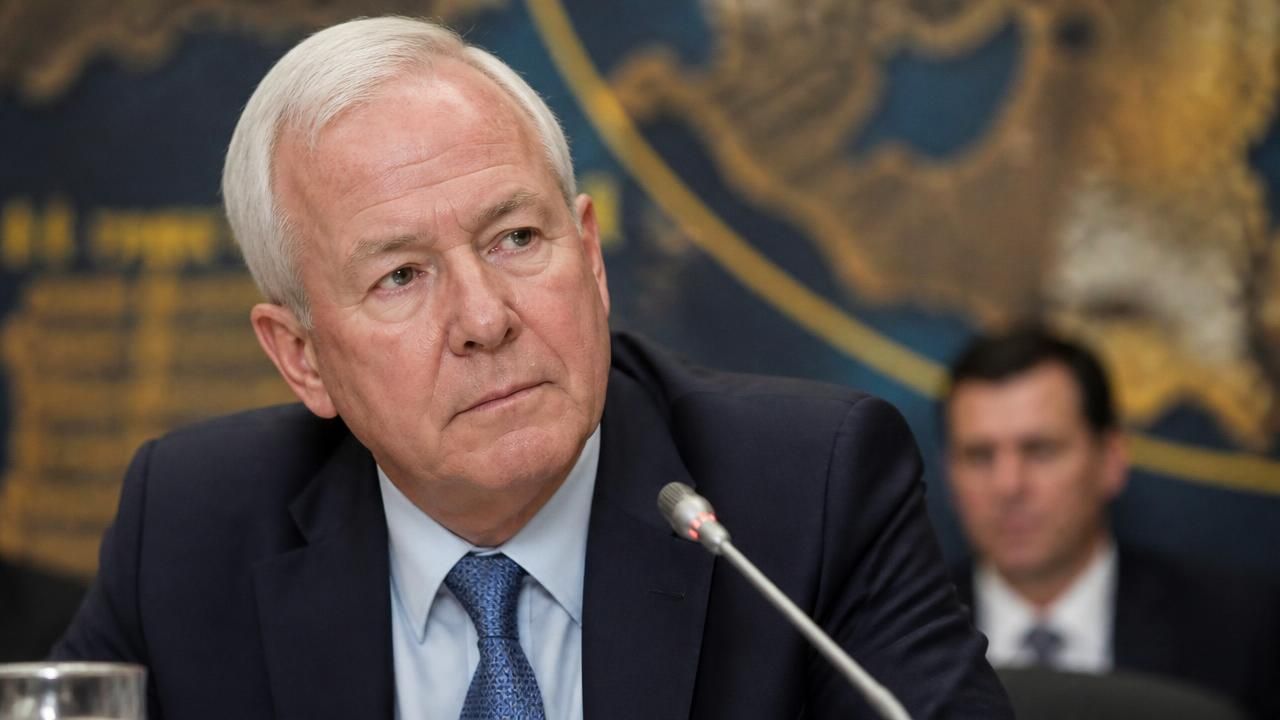
In a dramatic power shift at one of the world's largest gold producers, Barrick Mining Corp. Chairman John Thornton has abandoned plans to step down and instead has taken direct control of the company's strategic direction, a move that is drawing sharp criticism from investors. The overhaul, first reported by Bloomberg, marks a surprising twist in a 12-year tenure that has seen its share of turmoil.
The Power Shift at Barrick
According to Bloomberg, Thornton appeared ready to step down as chairman last year. But instead of exiting, he seized control from his long-time CEO, positioning himself as the driving force behind a reinvention of the company. The exact details of the leadership change remain under tight wraps, but sources indicate that Thornton will now play a more hands-on role in day-to-day operations and strategic planning, effectively sidelining the CEO in all but title.
Barrick, which is headquartered in Toronto and listed on both the New York Stock Exchange (Ticker: B) and the Toronto Stock Exchange (Ticker: ABX.TO), has long been a bellwether for the gold mining industry. The company operates mines across the Americas, Africa, and the Middle East, and is second only to Newmont Corp. in global gold production. This internal shakeup comes at a time when gold prices are hovering near record highs, driven by geopolitical uncertainty and central bank buying.
"Thornton appeared ready last year to step down as chairman of Barrick Mining Corp. after a turbulent 12-year tenure. Instead, he seized control from his long-time CEO and is now driving a reinvention of one of the world's largest gold producers."
Investor Backlash
The announcement has not been well received by all shareholders. The phrase "investor backlash" is now being used in market commentary, with some investors questioning whether Thornton's intervention is a sign of instability at the top. Proxy advisory firms are reportedly fielding calls from institutional investors concerned about corporate governance, executive succession, and the lack of a clear timeline for finding a permanent CEO.
One recurring concern is Thornton's track record. During his tenure as chairman, Barrick's share price has underperformed relative to peers like Agnico Eagle Mines Ltd. and Newmont. While gold prices have surged, Barrick has struggled with cost overruns, project delays, and a series of management changes. Critics argue that Thornton's latest move could further entrench a leadership style that has already produced mixed results.
Market Reaction
Barrick's stock has been volatile in recent days. On the NYSE, shares of Barrick (B) are among the most actively traded in the gold mining sector, according to Finviz data. The stock has been caught between rising gold prices and investor unease about the company's governance. Meanwhile, other gold miners such as Agnico Eagle and Newmont have seen analyst upgrades—Bernstein recently upgraded Newmont to Outperform with a $157 target price—highlighting a contrast in investor sentiment across the sector.
- Barrick (B): Trading near 52-week highs, but sentiment clouded by governance concerns.
- Newmont (NEM): Upgraded by Bernstein, reflecting confidence in its operational strategy.
- Agnico Eagle (AEM): Continues to attract investor interest among gold majors.
Sector Context: Gold Miners Under Pressure
The broader gold mining industry has been navigating a complex environment. Soaring gold prices, driven by inflation hedges and geopolitical risk, have boosted profits, but mining companies also face rising labor costs, supply chain disruptions, and stricter ESG requirements. In this environment, leadership stability is crucial.
Barrick's overhaul is not happening in a vacuum. The company recently reported strong quarterly earnings, but investors are looking beyond the numbers to the strategic direction. Some analysts believe Thornton's reinvention plan could involve divestitures, new projects, or a pivot to copper and other critical minerals, but no official details have been released. This uncertainty is fueling the backlash.
Historical Context
John Thornton, a former Goldman Sachs president, joined Barrick in 2012. His tenure has been marked by a number of bold bets, including the acquisition of Randgold Resources in 2019, which reshaped the company. However, that deal also brought integration challenges. The current power struggle echoes earlier boardroom battles at Barrick, including the ouster of founder Peter Munk in 2014. Some see Thornton's latest move as an attempt to secure his legacy before finally stepping away—but investors are not convinced.
What's Next for Barrick?
The company has not issued an official statement beyond confirming that a strategic review is underway. Analysts expect that Thornton will face intense scrutiny at the next annual general meeting, where shareholders will have a chance to voice their concerns. Some institutional investors are already calling for a special committee to oversee the succession process.
For now, the situation remains fluid. Barrick's future—and Thornton's role in it—will depend on whether the chairman can win back investor confidence. As gold prices continue to rally, the company has a tailwind, but internal discord could undermine its ability to capitalize. The next few months will be critical.
"What investors want to see is a clear, credible plan for the future and a leadership team that can execute it. Right now, the optics are not great."
With multiple Yahoo Finance, Finviz, and Bloomberg pages tracking the story, it's clear that Barrick is in the spotlight. Whether the backlash forces a change in course or Thornton's gamble pays off remains to be seen.