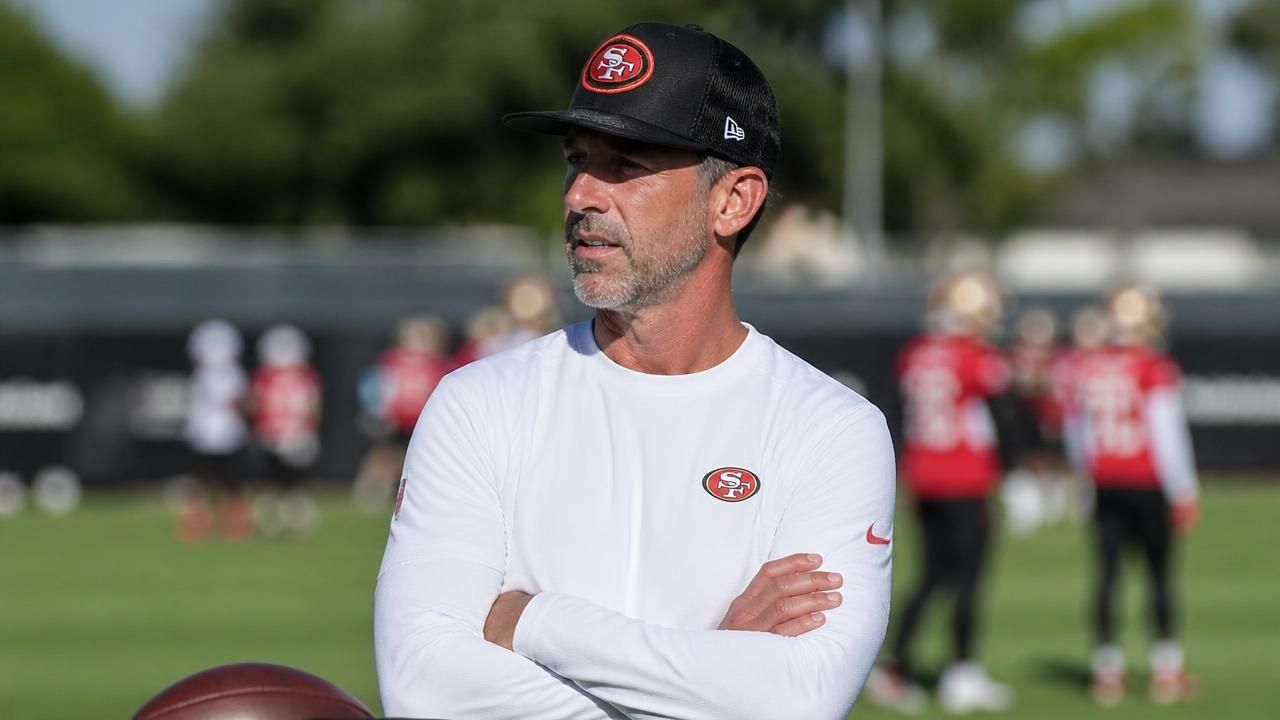
San Francisco 49ers head coach Kyle Shanahan has revealed that his Tesla was operating on Autopilot when he was involved in a car accident near downtown Palo Alto roughly four weeks ago. The disclosure came during a recent press conference, shedding new light on an incident that initially saw Shanahan accept full responsibility without providing details.
Shanahan, who has been recovering from injuries sustained in the crash, made it clear that he is not blaming the technology for the collision. “I've had Autopilot for nine years, so I'm pretty comfortable with it and, you know, who knows what happened when I turned around? Whether it malfunctioned or whether I knocked it off? That's something I don't know,” he told reporters. “But regardless, it's my fault.”
The accident and its aftermath
The crash occurred in late July, approximately four weeks before Shanahan's public revelation. At the time, the coach offered only a brief statement, saying the accident was his fault. He did not mention the vehicle or the circumstances. Now, with training camp underway, Shanahan has provided more context, confirming that he was driving a Tesla with Autopilot engaged.
The 49ers coach sustained injuries that forced him to take a step back during the early days of training camp. According to the Mercury News, assistant coaches have been leading practice sessions while Shanahan recovers. The team has not disclosed the specific nature of his injuries, but Shanahan has reportedly been progressing well and plans to coach the team's preseason opener.
“I'm doing a lot better. I plan to be out there for the first preseason game,” Shanahan said, according to multiple reports. “It's been a tough few weeks, but I'm close to full strength.”
What Shanahan said about Autopilot
During the press conference, Shanahan walked through the moments leading up to the crash. He noted that he had turned around inside the vehicle for an unspecified reason, and when he looked forward again, the accident occurred. He speculated that Autopilot may have malfunctioned, or he may have inadvertently disengaged it. Crucially, he did not assign blame to Tesla, despite some headlines suggesting otherwise.
Several outlets, including MSN and AOL, ran provocative headlines such as “‘It malfunctioned': Kyle Shanahan blames Tesla after terrifying car crash” and “Kyle Shanahan speculates Tesla malfunction as shocking car crash details emerge.” However, these headlines are at odds with Shanahan's full statement. The coach explicitly reiterated that he considers himself at fault, regardless of whether Autopilot played a role. NBC Chicago and other more measured reports emphasized this nuance, noting that Shanahan “clarified” the details and “says crash was his fault.”
Tesla Autopilot under scrutiny
Shanahan's revelation adds a high-profile voice to the ongoing national debate over Tesla's driver-assistance systems. Autopilot has been under investigation by the National Highway Traffic Safety Administration (NHTSA) for years, with multiple crashes involving the feature. Critics argue that the name “Autopilot” misleads drivers into over-relying on the system, while Tesla maintains that it requires active driver supervision and is safer than manual driving when used properly.
This incident is particularly notable because Shanahan is a nine-year Autopilot user who described himself as “pretty comfortable” with the technology. His uncertainty about whether the system malfunctioned or he inadvertently disengaged it highlights the complexities of human-machine interaction in semi-autonomous vehicles. Experts say such situations are exactly why regulators and automakers must carefully design interfaces and set clear expectations for drivers.
Different media framings
The coverage of Shanahan's remarks illustrates how the same story can be framed in starkly different ways. Sensational headlines focused on the notion that a prominent figure was blaming Tesla, potentially fueling fears about autonomous technology. Meanwhile, more careful reports emphasized Shanahan's consistent acceptance of responsibility and pointed to the broader questions raised by the crash.
- The Verge and NBC Chicago highlighted Shanahan's statement that the crash was his fault, providing balanced context.
- MSN and AOL ran multiple variations, some with misleading headlines that suggested Shanahan was blaming Tesla.
- AS USA and 49ers Webzone focused on the factual details and Shanahan's health update.
Recovery and coaching status
Shanahan's health has been a concern for the 49ers as they prepare for the 2024 NFL season. According to the HuffPost, Shanahan plans to coach the exhibition opener despite his recent injuries. The team has been careful in managing his workload during training camp, with assistants stepping up in his absence.
When asked about the accident, Shanahan expressed gratitude that he was not more seriously hurt. He also acknowledged that the media attention on the Autopilot aspect has been uncomfortable, as he never intended to deflect blame.
“I'm not trying to say it's not my fault. It is my fault,” he said. “I just answered the question honestly. They asked if I was on Autopilot, and I said yes. But I'm not using that as an excuse.”
Looking ahead
As the 49ers gear up for the upcoming season, Shanahan is expected to resume full coaching duties shortly. The preseason opener will be a key test for a team with Super Bowl aspirations. Meanwhile, his comments will likely reignite discussions about Tesla's Autopilot and the responsibilities of drivers who engage it.
The incident serves as a reminder that even experienced users of advanced driver assistance systems can be uncertain about what happened in a crash. For Shanahan, the focus remains on football and recovery. For the rest of us, it offers a glimpse into the complicated reality of sharing the road with semi-autonomous technology.