Puerto Rico is in the throes of a deepening water crisis. More than 180,000 customers across the island—including in the capital San Juan and other major cities—are now facing rotating 48-hour water outages as a historic drought drains reservoirs and exposes long-neglected infrastructure failures. The measure, announced by the Puerto Rico Aqueduct and Sewer Authority (PRASA), marks one of the most severe water rationing efforts in the island's recent history.
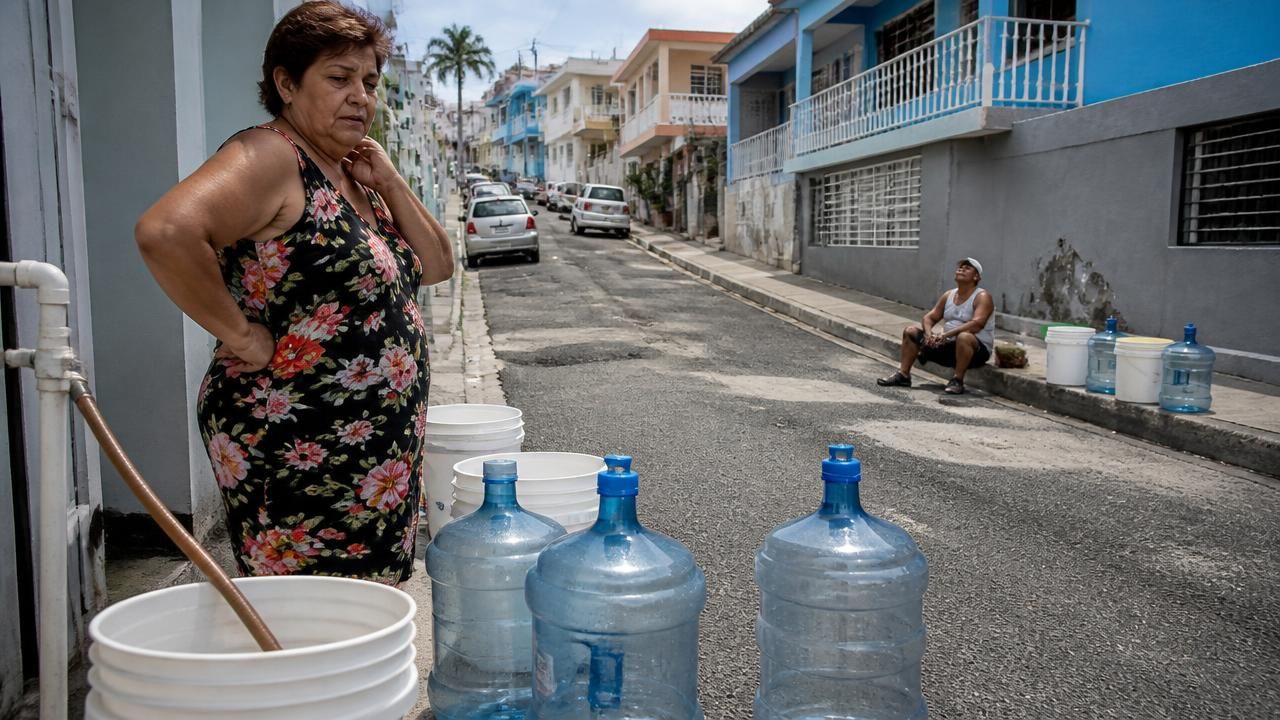
Residents describe the situation as "brutal", with many going days without running water for basic needs like drinking, cooking, and bathing. The rationing began in late July after an exceptionally arid month depleted key reservoirs to critically low levels. According to local officials, the drought has been intensified by El Niño, which has disrupted rainfall patterns across the Caribbean.
Scope of the Rationing
The rotating outages affect roughly 180,000 customers, a figure that represents a significant portion of the island's population. Under the plan, water service is shut off for 48 hours, then restored for a period, only to be cut again in a continuous cycle. The hardest-hit areas include parts of San Juan, Bayamón, Caguas, and other densely populated municipalities. In some neighborhoods, residents report that water pressure has dropped to a trickle even when service is supposedly on.
PRASA has warned that the rationing could expand if rains do not arrive soon. The agency's officials have pointed to reservoir levels that have fallen to historic lows, with some at less than 30% of capacity. The Guajataca, Carraízo, and La Plata reservoirs—key sources for the island—have all seen dramatic declines in recent weeks.
"It's brutal," said María Torres, a resident of the Río Piedras district in San Juan, speaking to local media. "We have to store water in buckets and bottles. It's like living in a disaster zone."
A Crisis Decades in the Making
While the immediate trigger is the drought, the underlying cause of Puerto Rico's water woes is an infrastructure system that has been crumbling for decades. The island has struggled with chronic underinvestment in its water mains, pumps, and treatment plants, many of which date back to the mid-20th century. The issue was compounded by Puerto Rico's long-running fiscal crisis, which has limited public spending on maintenance and upgrades.
Critics argue that poor management has exacerbated the problem. Resident Commissioner Pablo José Hernández, Puerto Rico's non-voting representative in the U.S. Congress, has called for a federal emergency declaration to unlock additional assistance. In an interview on Bloomberg This Weekend, Hernández said that while the drought is a natural phenomenon, the severity of the water shortages is a man-made problem.
"Poor management has worsened this crisis," Hernández said. "We also have to hold local officials accountable. We need federal help, but we also need to fix our own house."
Hernández's remarks reflect a broader frustration among residents who have long complained about PRASA's inefficiency and lack of transparency. The agency has been under scrutiny for years, with studies showing that nearly 60% of the water pumped into the system is lost to leaks and illegal connections—one of the highest rates in the Western Hemisphere.
El Niño and Climate Change
This year's drought is being driven by a powerful El Niño, a natural climate pattern that warms ocean temperatures in the Pacific and often suppresses rainfall in the Caribbean. However, scientists say climate change is making such events more extreme. A study published earlier this year found that the region has experienced a 20% decline in average rainfall over the past five decades, with longer and more frequent dry spells.
Puerto Rico is particularly vulnerable because it is a small island with limited natural water storage. Unlike larger landmasses, it relies heavily on surface reservoirs and rainwater collection. When drought hits, there is little buffering capacity.
The current drought has already broken records. The National Weather Service in San Juan reported that July 2024 was the driest July on record, with some areas receiving less than 10% of their normal rainfall. August has offered little relief, and forecasters say the El Niño-driven pattern is expected to persist into the fall.
Political and Federal Response
Governor Pedro Pierluisi has declared a state of emergency, allowing the National Guard to assist in water distribution efforts. However, local officials argue that federal aid is essential to address both the immediate crisis and the long-term infrastructure deficit. A federal emergency declaration would unlock funds from FEMA and other agencies, potentially expediting repairs to the water system.
But the path to federal assistance has been politically fraught. Puerto Rico, a U.S. territory, has historically received less federal support than states, and its residents cannot vote in presidential elections. The island is still recovering from the devastation of Hurricane Maria in 2017, which exposed the fragility of its infrastructure and prompted billions in federal aid—much of which has yet to be spent.
Hernández emphasized that the current crisis demands urgent action.
"We cannot wait for another Maria," he said. "The water crisis is a matter of public health and human dignity. We need the federal government to treat Puerto Rico with the same urgency as any state."
Different Perspectives in Media Coverage
The story has been covered extensively across major outlets, each framing it through a slightly different lens. Bloomberg Markets focused on the fiscal and political dimensions, highlighting Hernández's call for accountability. The Wall Street Journal emphasized the severity of the drought itself, noting record-low reservoir levels. The Guardian reported on the extension of rationing after a dry July, while CBS News highlighted the impact on San Juan residents. MSNBC and other outlets quoted residents' raw experiences, capturing the human toll of the crisis.
Some commentators have drawn parallels to other water crises around the world, such as the Colorado River basin in the American West and Peru's Poechos reservoir, which is also at the brink. While each situation has unique causes, the common thread is that climate change and aging infrastructure are converging to create unprecedented water scarcity.
Looking Ahead
In the short term, Puerto Rico's residents are bracing for more rationing. PRASA has said it will continue the 48-hour rotations until reservoir levels recover, which may take months. Meanwhile, the government is scrambling to truck water to affected neighborhoods and has urged residents to conserve.
Long-term, the crisis underscores the urgent need for investment in water infrastructure—not just in Puerto Rico, but globally. Experts say that fixing leaky pipes, modernizing treatment plants, and investing in alternative water sources like desalination could help mitigate the impacts of future droughts.
For now, Puerto Ricans are left to endure the hardship. As one resident told a local reporter, "We are an island surrounded by water, yet we have no water to drink. That's the cruelest irony of all."