Getty Images has announced it will terminate its $3.7 billion merger agreement with Shutterstock, following regulatory obstacles imposed by the UK's Competition and Markets Authority (CMA). The decision comes despite the U.S. Department of Justice granting the deal unconditional antitrust clearance in February. The collapse marks a significant setback for both companies, which sought to combine their vast stock photography and editorial content libraries.
The Regulatory Roadblock
In May, the CMA outlined conditions that would require Shutterstock to divest its global editorial business, including the paparazzi agencies Backgrid and Splash. Getty Images stated in an SEC filing on Tuesday that it is "not required to accept" these conditions, effectively pulling the plug on the merger. The Verge reported that Getty's filing emphasized the company's unwillingness to proceed under the imposed restrictions.
The UK regulator's concerns centered on competition in the market for editorial images, where the combined entity would have held significant sway. By forcing the sale of Shutterstock's editorial arm, the CMA aimed to preserve competition, but Getty found the remedy unpalatable.
Market Reaction
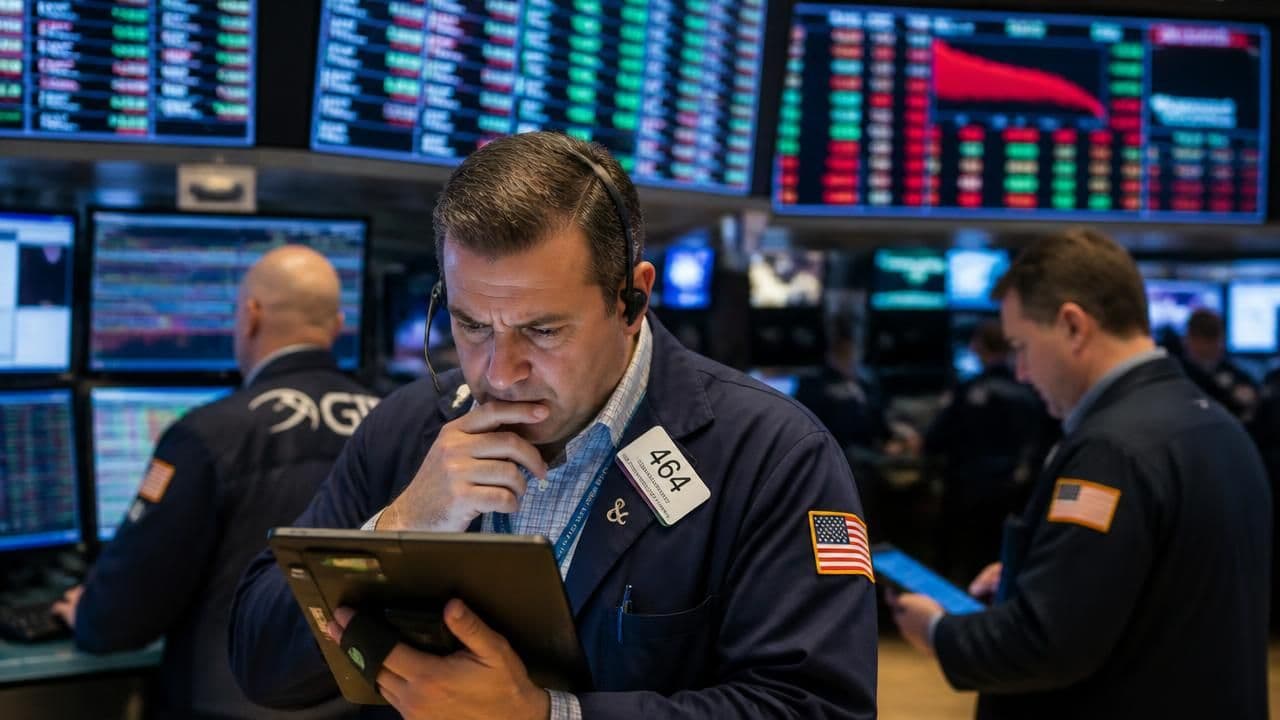
Following the announcement, Shutterstock's shares fell sharply, reflecting investor disappointment. Bloomberg noted that the stock decline underscored the market's expectation that the deal would close. Getty Images, a privately held company, did not see a direct stock impact, but the failed merger raises questions about its future growth strategy.
According to MSN, the merger was initially valued at $3.7 billion, combining two of the largest players in the visual content industry. The deal was seen as a way to compete with emerging AI-generated imagery and the dominance of platforms like Adobe Stock.
Historical Context
The proposed merger was announced in early 2025, aiming to create a powerhouse in stock photography and editorial news images. Getty Images, founded in 1995, has long been a leader in high-quality editorial and creative imagery, while Shutterstock, founded in 2003, built a massive library of royalty-free content. Together, they would have controlled a vast portion of the market.
However, regulatory scrutiny in the UK proved insurmountable. The CMA's intervention highlights the growing assertiveness of UK antitrust authorities in global tech deals. Similar concerns have scuttled other cross-border mergers, including the proposed acquisition of ARM by Nvidia.
Expert Perspectives
Industry analysts have mixed views on the outcome. Some argue that the CMA's conditions were too onerous, effectively killing a deal that could have created efficiencies and better served customers. Others contend that the merger would have reduced competition in editorial imagery, harming freelance photographers and smaller agencies.
"The CMA's decision reflects a broader trend of regulators taking a harder line on digital market consolidation," said Dr. Emily Carter, a competition law expert at the London School of Economics. "While the US gave the green light, the UK saw risks that outweighed the benefits."
What's Next for Getty and Shutterstock?
With the merger off the table, both companies must chart independent paths. Getty Images may explore other acquisitions or partnerships, while Shutterstock will continue to operate as a standalone entity. The failed deal also leaves room for competitors like Adobe and Alamy to gain ground.
For now, the visual content landscape remains fragmented, with no single player dominating both the creative and editorial segments. The collapse of the Getty-Shutterstock merger serves as a reminder that even deals cleared by one major regulator can be derailed by another.
"We are disappointed that the CMA's conditions were unacceptable, but we remain committed to serving our customers and contributors," a Getty Images spokesperson said in a statement.
The episode underscores the challenges of navigating global antitrust regimes, especially in the technology sector. As regulators worldwide become more vigilant, future mega-mergers may face similar hurdles.