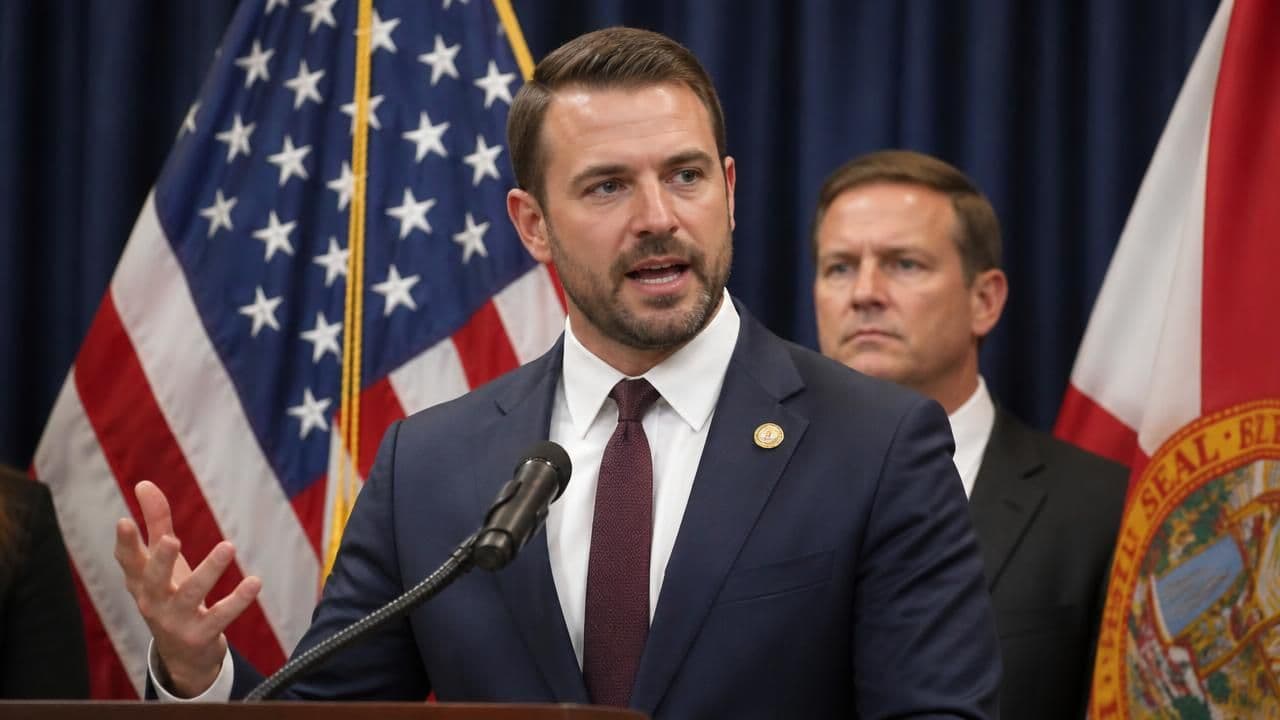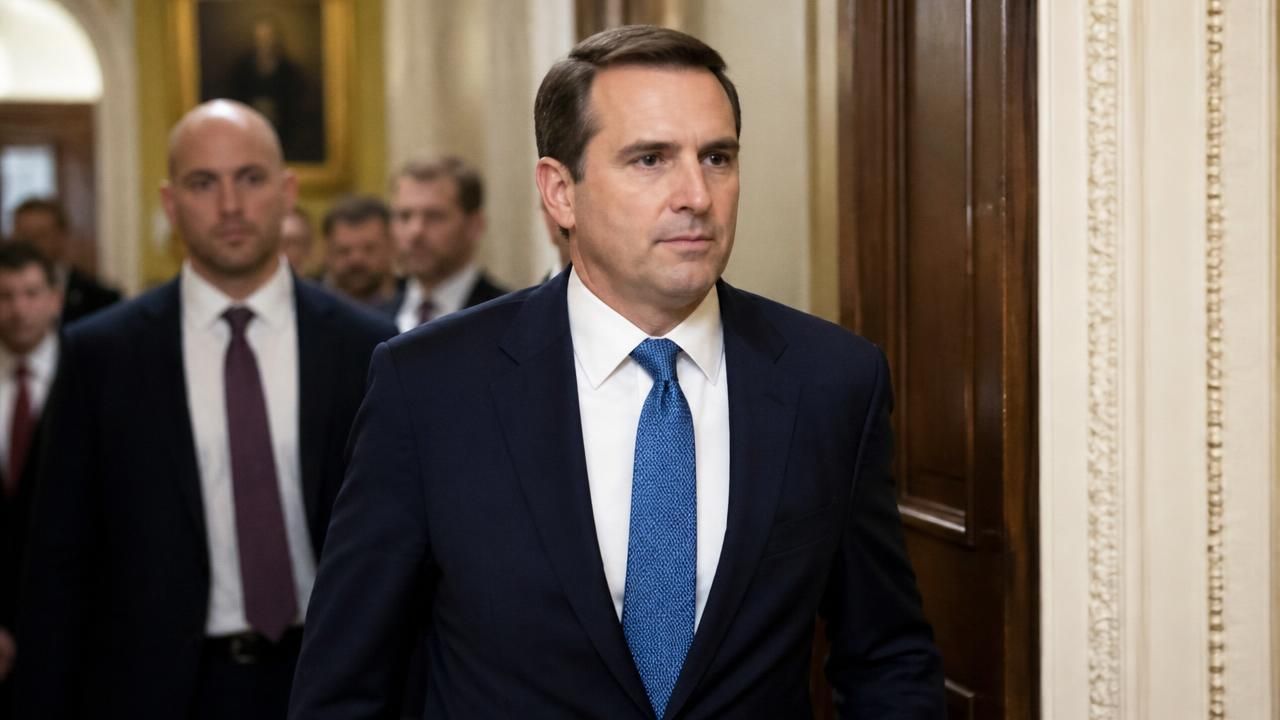
The Senate narrowly confirmed former Trump personal attorney Todd Blanche as U.S. Attorney General, handing President Trump a significant victory in his effort to keep the Justice Department closely aligned with the White House. Yet the week’s broader political landscape—marked by primary upsets, special election flips, and a marathon State of the Union address—revealed a Republican Party navigating both the benefits and perils of Trump’s influence.
Blanche Confirmation: A Win for Trump, but Not Without Friction
According to NPR Politics, the GOP-controlled Senate delivered the win for Trump with Blanche’s confirmation, a move that underscores the president’s approach to reshaping the DOJ. Blanche, who served as one of Trump’s defense lawyers during his criminal trials, has been a polarizing figure. CNN reported that Blanche must now win over skeptical Republicans, while Democrats are laying “lots of traps” in his path. The final vote was close, with Sen. Bill Cassidy (R-LA) announced support late in the process, paving the way for confirmation, as KRMG noted.
Conservative commentators have framed the confirmation as a democratic mandate. The Washington Examiner argued in an opinion piece that “the Senate’s choice is clear: Confirm Todd Blanche or ignore the voters,” suggesting that Trump’s election victory implies public approval of his choice. Politico dubbed it “Trump’s big Blanche bet,” highlighting the risk of placing a loyalist atop the nation’s top law enforcement agency. The network added that Blanche and other nominees are taking a “trust fall” with a skeptical Senate, where even some Republicans question independence of the DOJ.
“This is a test of whether the Senate still believes in the rule of law or is merely a rubber stamp for the president,” one Democratic aide told CNN, speaking on condition of anonymity.
Texas Primary Shockwaves
While Blanche’s confirmation dominated Washington, the Texas primary delivered a seismic political event. Incumbent Sen. John Cornyn lost to state Attorney General Ken Paxton, a Trump-endorsed challenger. BBC News reported that Paxton’s win could inadvertently help Democrats in the Senate battle, as Paxton’s far-right positions and legal baggage may make him more beatable in a general election. Reuters called a separate Texas Democratic victory a “wake-up call” for Republicans, and BBC added that the loss delivers a “stark warning” in a critical election year.
The results suggest that while Trump’s endorsement still carries weight in Republican primaries, it may not translate to general election success. “Paxton’s nomination energizes the Democratic base like nothing else,” said a Texas political strategist. “It could cost the GOP a seat they took for granted.”
Iowa and New Hampshire: Signs of a Shifting Electorate
In Iowa, a GOP primary for governor produced another surprise. Lahn, a candidate backed by the “Make America Healthy Again” (MAHA) movement, defeated the Trump-endorsed candidate—a setback for the former president that signals internal party divisions ahead of the midterms, according to KCCI.
Meanwhile, Democrats celebrated a “stunning” flip in a New Hampshire special election, the latest in a series of 28 upsets since the last general election, reported The Guardian. The trend suggests that Democratic enthusiasm is surging, even in traditionally competitive districts. Minority Leader Hakeem Jeffries capitalized on the momentum, declaring that Republicans have “nothing to run on” after Trump’s failures.
Trump’s State of the Union: A Defiant Address
Trump himself sought to project strength in his longest-ever State of the Union address. The Guardian reported that he claimed a host of successes and attacked old foes, but the speech was met with mixed reactions. Critics noted that the address ignored the warning signs emanating from recent elections, while supporters praised his unapologetic tone.
Jeffries’ response was sharp: “Republicans have no agenda, no vision, and no record to run on. They are simply betting on voters forgetting how badly Trump has failed them.”
What This Means for 2026
The convergence of these events paints a complex portrait for both parties. For Trump, the confirmation of Blanche validates his grip on the GOP and the federal judiciary, but the primary losses and special election flips suggest that his coattails may not extend to swing voters.
Democrats see an opening. The New Hampshire win and Texas Democratic victories are evidence that the party can compete in unexpected places. “We are 28-0 in special elections since Trump took office,” noted a Democratic campaign official. “That’s a referendum on his administration.”
Republicans, meanwhile, must reconcile the Trump agenda with electoral reality. As one GOP strategist put it, “Winning primaries with base voters is one thing. Winning general elections with moderates is another. Right now, we’re losing that middle.”
The Stakes Ahead
- Blanche’s Justice Department: Expect immediate policy shifts on immigration, crime, and investigations into the previous administration.
- Texas Senate race: Paxton becomes the GOP nominee, but national Democrats are already targeting the seat as a pickup opportunity.
- Iowa’s governor race: The MAHA movement’s victory signals a new fault line within the Republican Party over health and science issues.
- New Hampshire’s flip: Democrats will use this and other special elections to argue that voters are rejecting Trumpism.
In the coming months, the Blanche confirmation will fade from headlines, but the political forces it set in motion—intensified partisanship, DOJ loyalty, and grassroots revolts—will shape the 2026 landscape. Both parties are drawing lessons from the week, but the only certainty is that the battle for control of Congress has already begun.