Halloween has long been a time for scares, but the business of horror has evolved far beyond costume parties and candy. Today, it spans a multi-billion-dollar ecosystem of films, television programming, and immersive theme park experiences. Recent coverage from The Verge, The New York Times, and MiceChat highlights how different corners of the horror world—slasher franchises, TV horror hosts, and mega haunts—are celebrating anniversaries, expanding their reach, and redefining what it means to be scared.
The Legacy of the Slasher Franchise
In a deep dive for The Verge, the editorial team explored the fictional franchise Camp Miasma, a slasher series born in 1980. The story follows the rise of a horror juggernaut that, despite being entirely made up, mirrors the trajectory of iconic real-world slasher films like Friday the 13th and Halloween. According to The Verge, Camp Miasma proliferated through multiple sequels, arcade cabinets, board games, and merchandise ranging from alarm clocks and lunch boxes to Halloween costumes and action figures. The piece notes that the franchise's popularity was so pervasive that even knockoff costumes appeared at party stores, a sure sign of cultural saturation.
The article uses Camp Miasma as a lens to examine how horror franchises embed themselves in pop culture, even as their influence wanes over time. It's a reminder that the genre's impact is not just about scares but about creating shared touchstones—whether real or imaginary. The Verge's focus on a fictional franchise underscores how horror fans embrace lore, trivia, and material culture, often keeping the spirit of these stories alive long after the credits roll.
70 Years of TV Horror Hosts
While slasher films dominate cinema, television has its own horror tradition. In a 2020 retrospective, The New York Times looked back at 70 years of horror hosts, celebrating the quirky, campy personalities who introduced generations to late-night scares. From Maila Nurmi's Vampira in the 1950s to Elvira, Mistress of the Dark, and countless local TV hosts, these figures brought a blend of screams and cheese to living rooms across America. The NYT piece highlights how horror hosts served as gatekeepers, curating films and adding their own comedic or macabre commentary. They made the genre approachable, even for viewers too young or faint-hearted to watch alone.
The hosts also became cultural icons in their own right, with catchphrases, distinct makeup, and a loyal fan base. The Times' timeline traces the evolution from live, low-budget broadcasts to syndicated and cable programming, and eventually to nostalgia-fueled revivals. It's a history that parallels the rise of fandom, as these hosts built communities around the shared experience of watching horror from the safety of a couch.
The Theme Park Haunt Boom
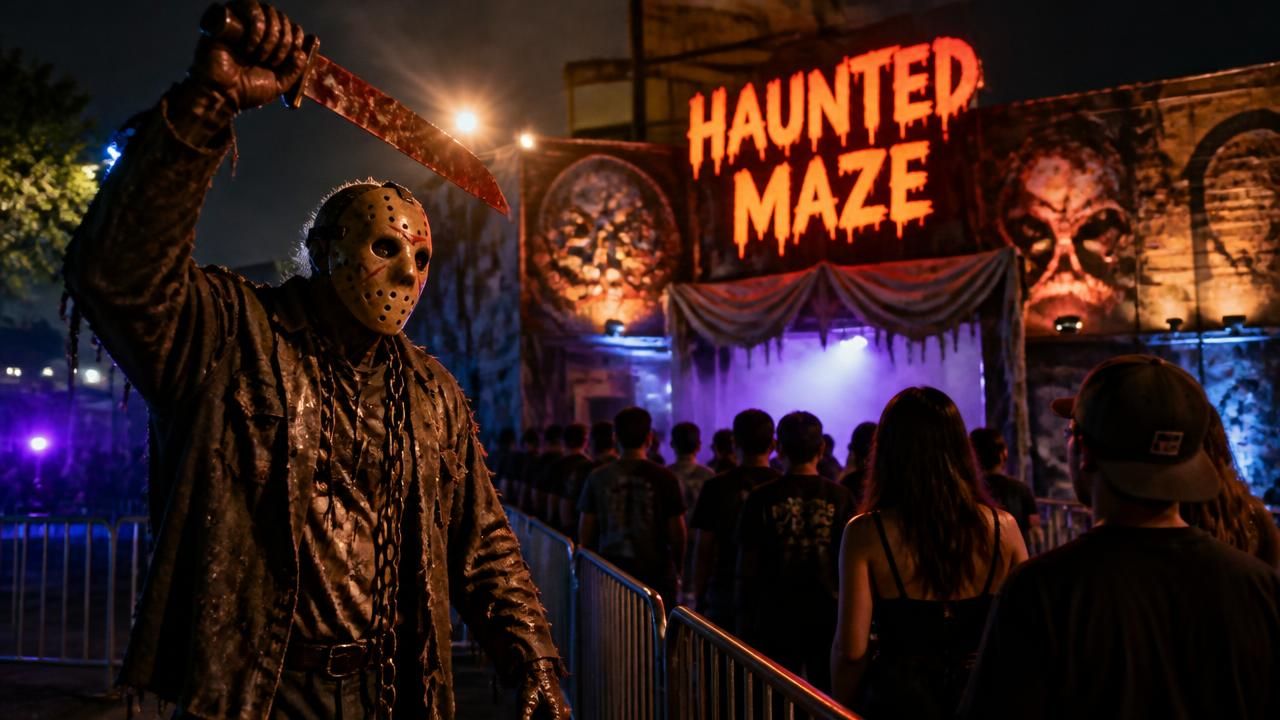
If film and TV brought horror into the home, theme parks have taken it to a physical, visceral extreme. MiceChat, a site dedicated to theme park news, recently offered a sneak peek at Universal Studios' Halloween Horror Nights haunted houses, as well as a detailed review of Knott's Scary Farm's 50th anniversary entertainment. These events have become major annual draws, transforming entire amusement parks into immersive horror landscapes with elaborate sets, professional actors, and cutting-edge special effects.
Knott's Scary Farm, which celebrated its golden anniversary, is a pioneer in the space. According to MiceChat, the event's 50th edition was “masterfully macabre,” featuring original mazes, scare zones, and stage shows. The anniversary was a testament to how far theme park haunts have come since the early days of hayrides and simple haunted houses. Meanwhile, Universal Studios' Halloween Horror Nights continues to push the envelope with IP-driven mazes based on blockbuster horror films and TV series, as well as original concepts. The MiceChat preview highlighted the meticulous design and choreography that go into each attraction, from detailed props to the timing of scares.
“These events are no longer just haunted houses; they are theatrical productions where every corner is engineered to deliver both fright and delight.”
Synthesizing the Stories: One Genre, Many Mediums
Taken together, these three stories paint a vivid picture of horror's evolution. The Verge's fictional franchise shows how deeply slasher lore resonates with fans, creating a durable cultural economy of merchandise and spin-offs. The New York Times' history of horror hosts demonstrates the genre's television roots, where charisma and camp made horror a communal ritual. And MiceChat's coverage of theme park events illustrates the modern apex of horror as a live, experiential attraction—one that demands significant investment and draws massive crowds.
This synthesis also reveals a common thread: the importance of shared experience. Whether it's watching a slasher sequel with friends, tuning in to a horror host late at night, or screaming through a maze with a group of strangers, horror is most powerful when it is social. The genre's business model has always relied on creating communities—of collectors, of late-night viewers, of thrill-seekers. As these outlets show, that model is still thriving and evolving.
Implications for the Business of Fear
The economic footprint of horror is staggering. Theme park Halloween events have become crucial revenue drivers for companies like Universal and Knott's Berry Farm. In 2024, Universal's Halloween Horror Nights runs for over thirty nights, with tickets selling out well in advance. Knott's Scary Farm similarly extends its season into a full autumn spectacle. Merchandising from horror franchises, even fictional ones, demonstrates the genre's merchandising power. And while the local TV horror host may be a vanishing breed, their legacy lives on in streaming platforms and nostalgic retrospectives.
Horror also continues to adapt to new formats. Immersive experiences, escape rooms, and virtual reality haunted houses are emerging as modern extensions of the classic walk-through. The veritable smorgasbord of options ensures that horror remains a year-round industry, peaking each October but never truly dormant.
Conclusion
As the decades pass, the ways we scare ourselves change, but the underlying allure remains the same: a safe brush with danger, a test of courage, and a bond forged through fear. From a fictitious 1980s slasher to a 1950s TV horror host to a 2024 theme park maze, the stories we tell ourselves about horror reflect our cultural anxieties and our love of being thrilled. Whether you're a fan of the classic camp or the modern immersive spectacle, there is no shortage of ways to celebrate the macabre—and every year, the industry finds new reasons to keep us screaming.