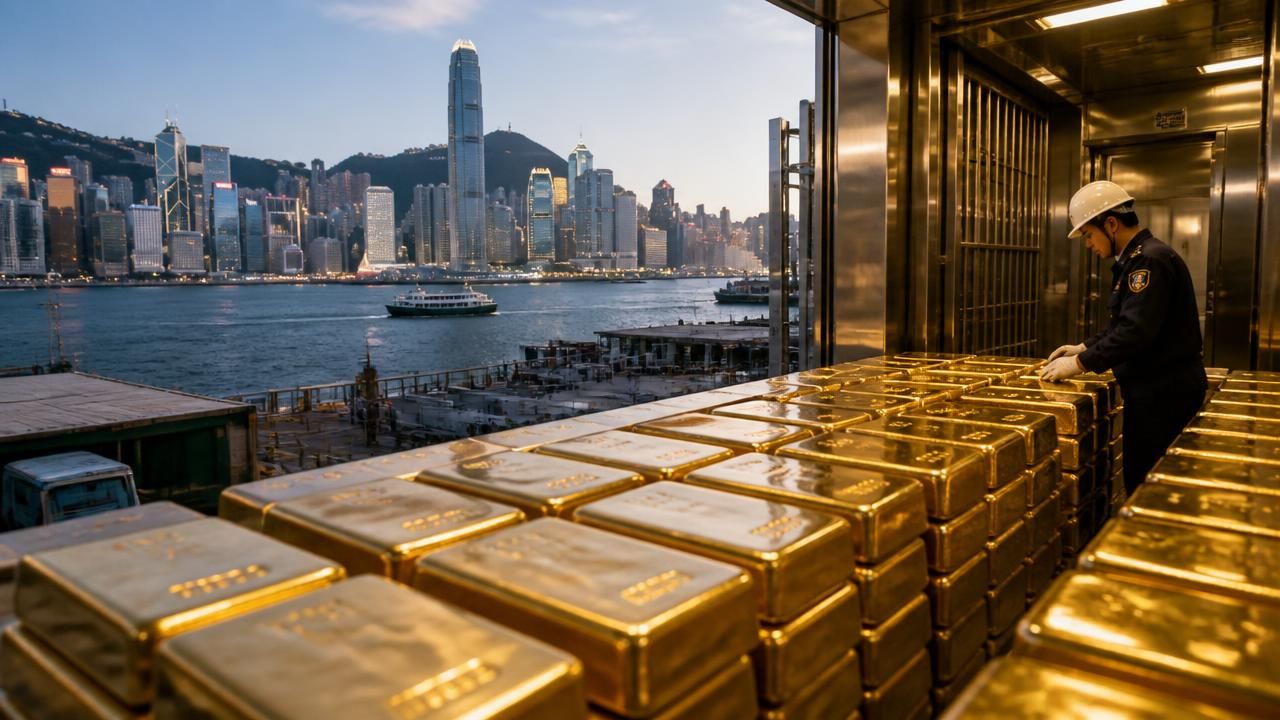
In a series of coordinated moves that signal Beijing's determination to build a global gold hub in Hong Kong, the People's Bank of China (PBOC) has been quietly stockpiling bullion in the city, while authorities launched a trial central clearing system and introduced a landmark gold ETF. The initiatives are part of a broader effort to boost the offshore yuan market and challenge the dominance of London and New York.
Beijing's Blueprint for a Gold Hub
According to people familiar with the matter, the PBOC is adding gold reserves held in Hong Kong — a move Bloomberg says is likely to support the city's ambition to become a major bullion-trading hub. Reuters reports that Beijing is bolstering both bond and gold trading in Hong Kong as part of its global yuan push. The central bank has pledged stronger market ties between mainland China and Hong Kong, unveiling a package of measures to cement Hong Kong's status as a yuan hub.
The infrastructure build-out is equally significant. Hong Kong has begun trial operation of a new gold central clearing system, which China Daily says gives the city "regional leverage, global edge." The Shanghai Gold Exchange has opened its first offshore vault in Hong Kong, providing secure storage for physical metal. In the financial arena, the first gold ETF allowing physical gold redemption made its debut on the Hong Kong exchange, and authorities are planning to revive gold futures trading as demand rises.
Key initiatives at a glance
- PBOC stockpiling gold in Hong Kong
- Trial of gold central clearing system
- First offshore vault of the Shanghai Gold Exchange
- First gold ETF with physical redemption
- Plans to revive gold futures
China's Gold-Buying Machine
China's central bank has extended its gold-buying streak for months, with June net gold imports via Hong Kong up from a year ago, though down from May. Bloomberg highlights "China's Big Gold-Buying Spree," and analysts at FXStreet speculate whether reserves could surpass the United States within five years. Globally, central banks added 15 tons of gold in August, led by Uzbekistan and Kazakhstan, but China remains the most influential buyer.
Asian gold ETFs continue to add holdings even as U.S. and European funds see outflows, according to Kitco's weekly SWOT analysis. Retail demand is so strong that some Chinese banks have begun blocking clients from investing in physical gold products, an Insider report noted.
The Race with Singapore
Hong Kong's push is unfolding alongside a competitive race with Singapore, which is also positioning itself to host central bank gold and plans to launch its own OTC clearing system. MSN describes the two cities as "squaring off in the race to become the world's gold trading hub." While Singapore offers geopolitical neutrality, Hong Kong has the backing of Beijing and direct access to China's massive market. Some observers argue the ongoing Iran conflict could create an opening for Hong Kong to attract flows.
Gold Price Volatility: The $4,000 Test
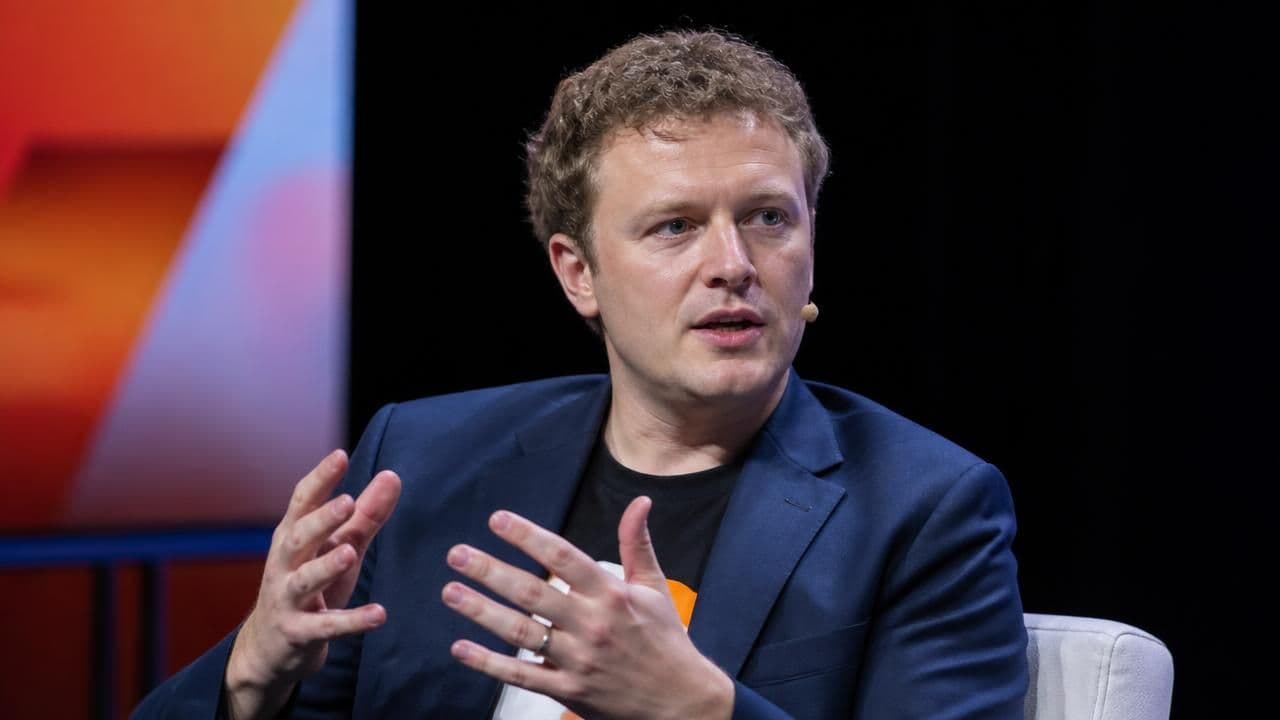
The gold price briefly broke below $4,000 an ounce before rebounding to around $4,093.63, as geopolitical headlines and profit-taking triggered volatility. Saxo Bank's Ole Hansen says the metal is squeezed between its 50 and 200 daily moving averages, but the "2025 drivers will return stronger once Iran war recedes." Hansen points to fiscal deficits, central bank purchases, and retail demand as structural supports.
"The 2025 drivers will return stronger once Iran war recedes." — Saxo Bank's Ole Hansen
Physical demand has been mixed: India saw deeper discounts due to price swings, while Chinese purchases remained steady. The record-high gold price is itself boosting Hong Kong's bid, argues China Daily, as more investors look for Eastern trading hours and products.
The De-Dollarization Debate
How should we interpret China's gold strategy? Outlets differ sharply. Bloomberg's headline "Gold's Record Rally Is Helping China Challenge Trump and the Dollar" frames gold as a geopolitical instrument. But the World Gold Council (WGC) cautions: "China keeps pushing gold, but not for de-dollarization," signaling that diversification and market development, not direct dollar confrontation, are the primary motives. BNY analysts similarly view the PBOC's Hong Kong measures as part of yuan internationalization rather than a deliberate assault on the greenback.
These contrasting narratives are crucial for investors, because they determine whether gold's rally is built on geo-economic rivalry or on a more benign portfolio rebalancing.
Outlook: A Structural Shift
The combination of PBOC purchases, new clearing infrastructure, offshore vaults, and exchange-traded products is reshaping the global gold market. Hong Kong is already China's primary gold gateway; now it is becoming a full-service hub for price discovery, storage, and settlement. UBS has revised up Hong Kong's 2026 GDP growth forecast to 4.5%, partly reflecting expectations from deeper financial markets.
The city's future as a gold hub is no longer a question of if, but how quickly — and whether Singapore or London can adapt to the new Eastern gravity of the gold market.