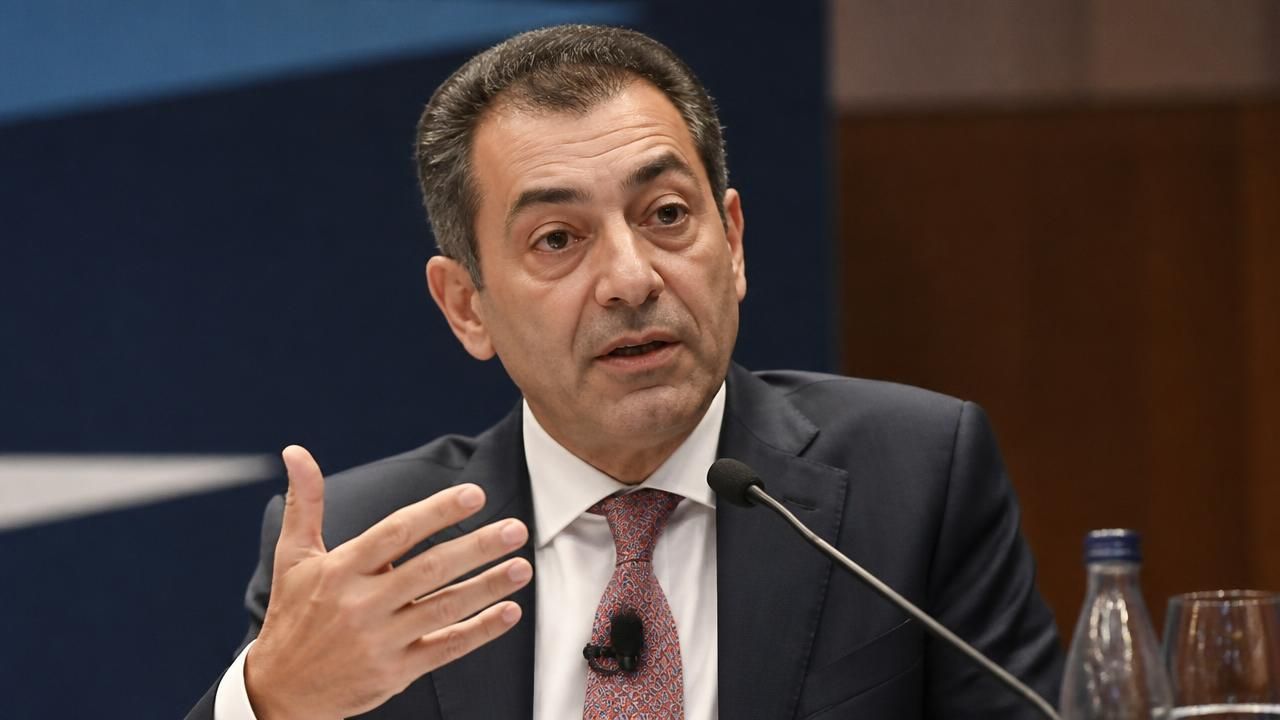
Federal Reserve Bank of St. Louis President Alberto Musalem has reignited the debate over the central bank's policy stance, telling the Financial Times that a recent Treasury selloff signals the need to bolster the Fed's inflation-fighting credibility. Speaking at an event in São Paulo, Musalem also revealed that he expressed a preference to raise interest rates by 25 basis points at the Federal Open Market Committee's July meeting, making him one of the most hawkish voices on the current board.
His comments, reported by Bloomberg, Reuters, and other outlets, come at a critical juncture for monetary policy. The FOMC held rates steady in July, but Musalem's dissent-like preference underscores internal tension. "The bond market is sending a message," Musalem told the FT, according to tradersunion.com. "We need to ensure inflation returns to target, and that may require more restrictive policy."
A Hawkish Stance in a Divided Fed
Musalem's position is notable because it contradicts the market's prevailing expectation that the Fed's next move will be a cut. The July meeting minutes, due later this month, are likely to show a range of views, but Musalem has now publicly aligned himself with the minority that favored a hike. According to mezha.net, he specifically urged a 25-basis-point increase. That would have lifted the federal funds rate target range to 5.50%-5.75%, a level not seen since early 2001.
The St. Louis Fed president argued that the economy remains too strong and inflation too sticky to justify easing. "We have made progress, but we are not there yet," he said in São Paulo, per Bloomberg Markets. "The labor market is resilient, and consumer spending continues to support growth. We must guard against declaring victory too soon."
The Treasury Selloff as a Warning Shot
A central theme across all sources is the recent selloff in U.S. Treasuries, which pushed long-term yields to multi-month highs. Musalem interpreted this as a market signal that investors doubt the Fed's commitment to its 2% inflation target. "The reaction in the bond market is a credibility check," he told the FT, as reported by reuters.com. "If we allow inflation expectations to drift, the cost of re-anchoring them will be much higher."
This framing is echoed by financial analysts. The selloff reflects concerns that the Fed may cut rates too soon or tolerate above-target inflation in pursuit of a soft landing. Musalem's pushback is aimed at reassuring markets that the central bank will not sacrifice its primary mandate.
"The Treasury selloff signals need to bolster the Fed's inflation credibility." — Alberto Musalem, as told to the Financial Times
December Rate Cut: A Toss-Up
The policy path for the remainder of the year has become murkier. A separate Reuters analysis noted that the Fed's December rate cut "looks increasingly like a toss-up." Futures markets have trimmed odds of a move at the final meeting of 2024 to roughly 50%, down from near-certainty a month ago. Musalem's comments could further shift expectations, though he does not vote on the FOMC this year unless as an alternate.
Investors are now parsing every data point for clues. Upcoming inflation reports, jobs numbers, and consumer spending figures will determine whether the Fed can afford to wait. "The risk is asymmetric," said one fixed-income strategist quoted in the MSN aggregation. "If inflation stalls, the Fed will have to tighten again, and that would be a shock to markets."
Framing the Story: Divergent Outlet Perspectives
The coverage of Musalem's remarks illustrates how media outlets emphasize different angles:
- Bloomberg Markets focused on his preference to raise rates, describing it as a notable hawkish stance in a divided committee.
- Reuters highlighted the Treasury selloff as the trigger for his credibility warning, framing it as a broader market-Fed dynamic.
- The Financial Times presented it as a warning from a top central bank official, suggesting internal unease about the Fed's policy communication.
- MSN aggregation and tradersunion.com emphasized the "more restrictive policy" argument, while noting the December rate cut uncertainty.
These differences matter because they influence how investors interpret the Fed's likely path. A Bloomberg reader might assume a hike is on the table; a Reuters reader might focus on bond-market dynamics; an FT reader might worry about institutional credibility.
Historical Context: A Fed at a Crossroads
The Fed raised rates aggressively in 2022-2023, lifting the benchmark rate from near zero to a 23-year high of 5.25%-5.50%. Inflation, as measured by the PCE index, has fallen from a peak of 7.1% in June 2022 to around 2.5% in recent months, but progress has slowed. Core inflation remains stubbornly above 3%, keeping hawks like Musalem on edge.
His São Paulo appearance was part of a central bank outreach tour, but his remarks broke from the usual script of U.S. officials speaking abroad. "The credibility of the Fed is not just a domestic issue; it affects global markets," he said, according to the Bloomberg report. "Other countries look to us for stability."
What Happens Next?
The Fed next meets on September 17-18. Markets currently expect no change in rates, but Musalem's public advocacy for a hike puts pressure on Chair Jerome Powell to address internal divisions at the post-meeting press conference. Meanwhile, the October jobs report and CPI data will be critical in shaping the December decision.
For now, Musalem stands as a reminder that the Fed's fight against inflation is not over. His willingness to speak out, even at the risk of unsettling markets, reflects a deep concern that the bond market has lost faith in the central bank's resolve. As he told the FT: "We must do what is necessary, even if it is not what markets expect."
Whether the rest of the FOMC agrees will determine not only the next rate move but also the Fed's credibility in the eyes of investors worldwide.