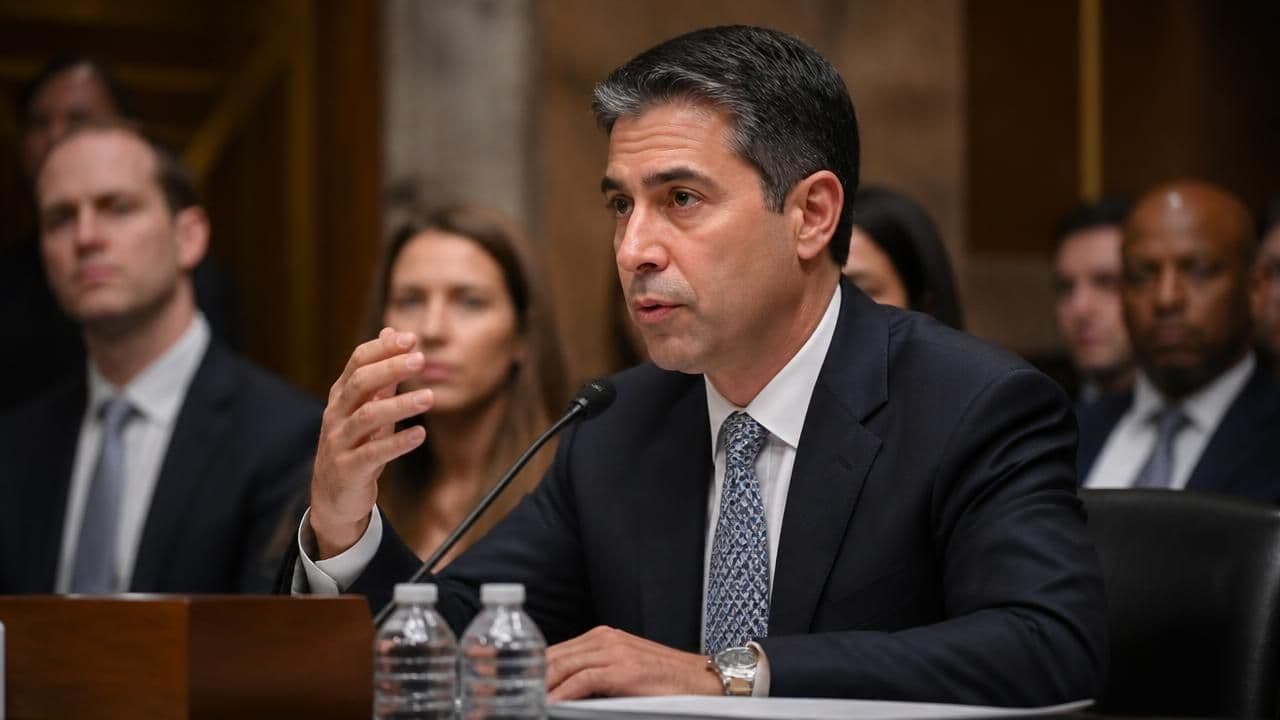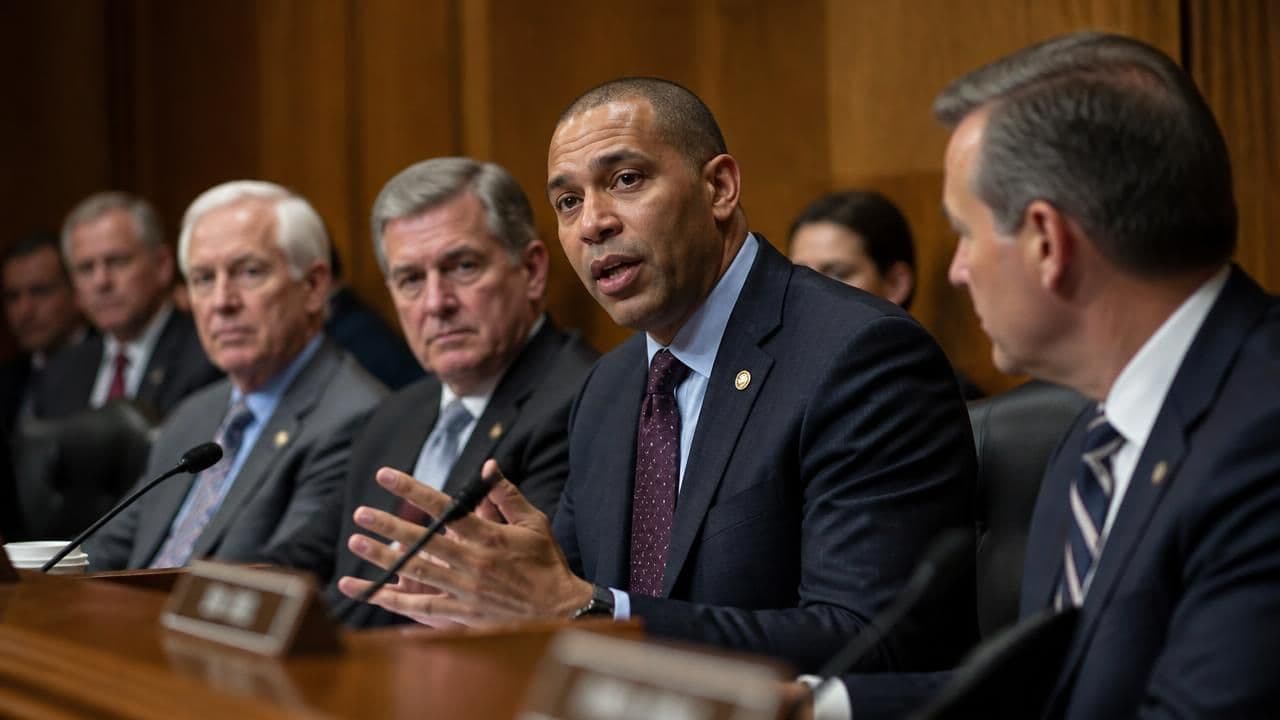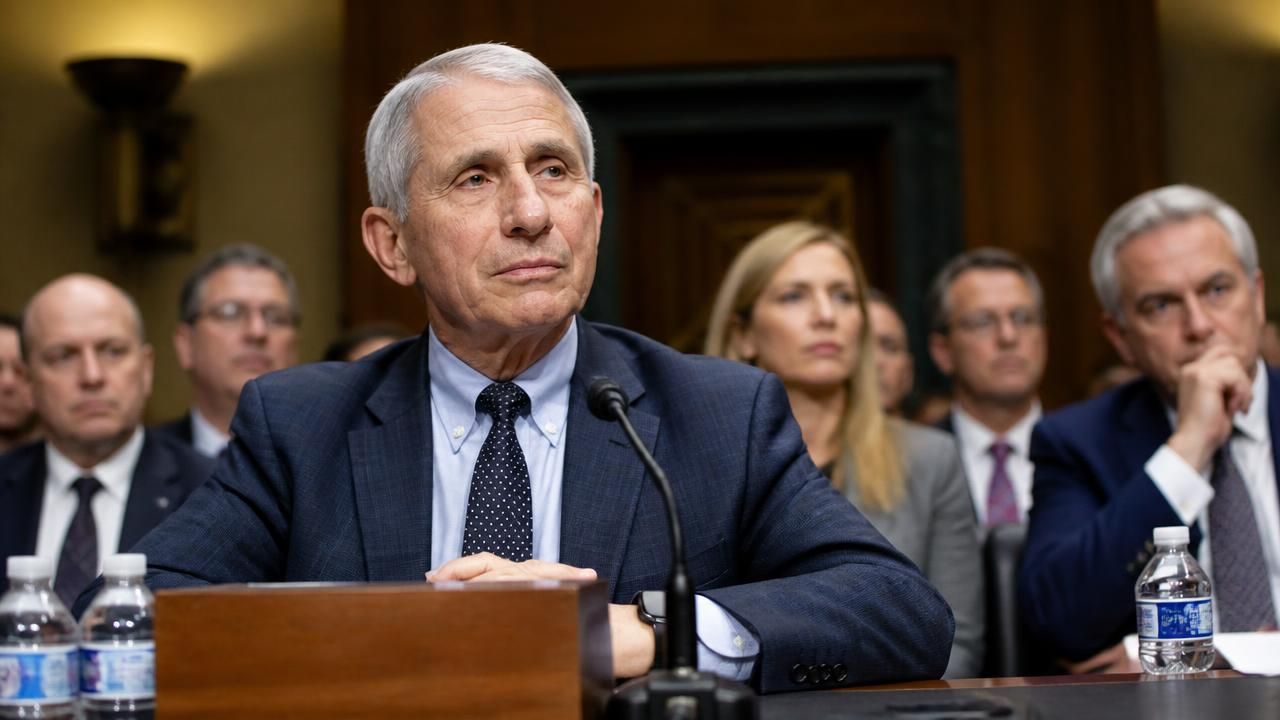
The long-simmering political battle over the origins of COVID-19 and the federal government's pandemic response reached a boiling point this week as the Senate Homeland Security Committee prepared to vote on holding Dr. Anthony Fauci in contempt of Congress. The vote, scheduled for Thursday, follows a dramatic three-hour hearing in which Fauci, the former director of the National Institute of Allergy and Infectious Diseases, invoked his Fifth Amendment rights more than 100 times and refused to answer substantive questions from senators.
A Heated Showdown
The hearing, chaired by Sen. Rand Paul (R-Ky.), a longtime critic of Fauci, quickly devolved into a tense confrontation. Paul and other Republican committee members pressed Fauci on his role in shaping pandemic policy and his knowledge of the virus's origins, including the controversial lab-leak theory. Fauci, now a private citizen, declined to answer, citing the Fifth Amendment's protection against self-incrimination. The exchanges were punctuated by sharp moments, including Paul ejecting Fauci's lawyer from the room and Sen. Bernie Moreno (R-Ohio) erupting in frustration, according to Fox News's recap of the hearing.
Fauci, who had testified before Congress countless times over his decades of public service, appeared calm but resolute. His lawyer later called the proceedings a "political stunt" and insisted that Fauci had done nothing wrong.
The Contempt Vote
The contempt resolution is the culmination of a year-long investigation by the Republican-controlled committee into the federal response to COVID-19. If approved by the committee, the resolution would move to the full Senate for a simple majority vote. A successful contempt citation would refer the matter to the U.S. attorney for the District of Columbia, who would decide whether to bring criminal charges. While Congress has often used contempt to compel testimony, prosecutions are rare and typically occur only when the refusal is seen as willful and unprivileged.
Sen. Paul has warned that Fauci's refusal to testify "could have big consequences," suggesting that the committee will not back down. "The American people deserve answers," Paul said during the hearing, according to multiple outlets.
Cellphone Records
Adding to the controversy, the committee has obtained a copy of Fauci's cellphone records, as first reported by The New York Times. Republicans say these records are crucial for understanding Fauci's communications with scientists and officials during the early days of the pandemic, particularly regarding the origins of the virus. Fauci's legal team has argued that the records were obtained without proper justification and are irrelevant to the committee's legislative purpose.
This development has given the contempt vote additional weight, with Republican senators accusing Fauci of hiding evidence. "The American people have a right to know what their government did," Sen. Paul said in a statement.
Legal Perspectives
Fauci's attorney, in a statement reported by the BBC, said his client is on "solid legal ground" and that invoking the Fifth Amendment is a constitutional right, not an admission of guilt. "No one should be punished for exercising a fundamental legal protection," the attorney said. Legal experts remain divided over the implications. Some argue that the Fifth Amendment is a valid shield against self-incrimination in any setting, including congressional hearings. Others question why Fauci, who has testified under oath many times before, now feels compelled to remain silent, suggesting that his fear of prosecution is speculative.
The dispute also touches on the limits of legislative oversight. "If a witness can simply take the Fifth to avoid answering questions, it undermines the Senate's ability to conduct oversight," said one legal analyst. However, constitutional law scholars note that the Supreme Court has long held that the Fifth Amendment protection is broad, even when a witness has no obvious crime to hide.
Historical Context
Fauci has been a central figure in American public health for decades, leading the fight against HIV/AIDS, Zika, Ebola, and COVID-19. During the pandemic, he became a polarizing figure: praised by many for his scientific expertise but criticized by conservatives for shifting guidance on masks, lockdowns, and the lab-leak theory. The current investigation is part of a broader Republican effort to examine the government's funding of gain-of-function research at the Wuhan Institute of Virology and whether the virus escaped from that laboratory.
Fauci's previous testimony has provided fodder for both sides. He initially downplayed the lab-leak theory but later acknowledged that it deserved further investigation. Critics accuse him of being untruthful; supporters say he was accurately reflecting evolving scientific knowledge.
What Happens Next
The committee's vote on Thursday is expected to be party-line, with all Republicans supporting contempt and Democrats opposing. If the resolution passes, it will go to the full Senate, where its fate is uncertain. Some moderate Republicans have expressed unease about criminalizing a witness's invocation of the Fifth Amendment. Even if the Senate approves, the Justice Department may decline to prosecute, as it often does in such cases.
Meanwhile, Fauci's legal team is preparing for a potential legal battle, and the outcome could set a precedent for how Congress handles uncooperative witnesses in the future. What is clear is that the confrontation between Fauci and his Republican adversaries is far from over, and the echoes of the pandemic continue to shape American politics.