Nickel prices have careened wildly in recent days, buffeted by a flurry of conflicting signals emanating from Indonesia, the world’s dominant producer. A rally driven by supply shortages was abruptly reversed by reports that Jakarta might lift output quotas for a major mine—only for official denials to leave traders deeply unsure of what comes next.
Rally on Supply Risks
Earlier in the session, nickel had spiked to multi-week highs as concerns grew over tightening supply in Indonesia. Mining.com reported that prices "spiked as risks to supply grow in top producer Indonesia" and separately noted that "nickel price jumps as Indonesia’s top mine cuts output." These moves reflected fears that stringent mining quota reviews and regional processing mandates would keep ore off the market at a time when stainless steel and electric vehicle battery demand remains robust.
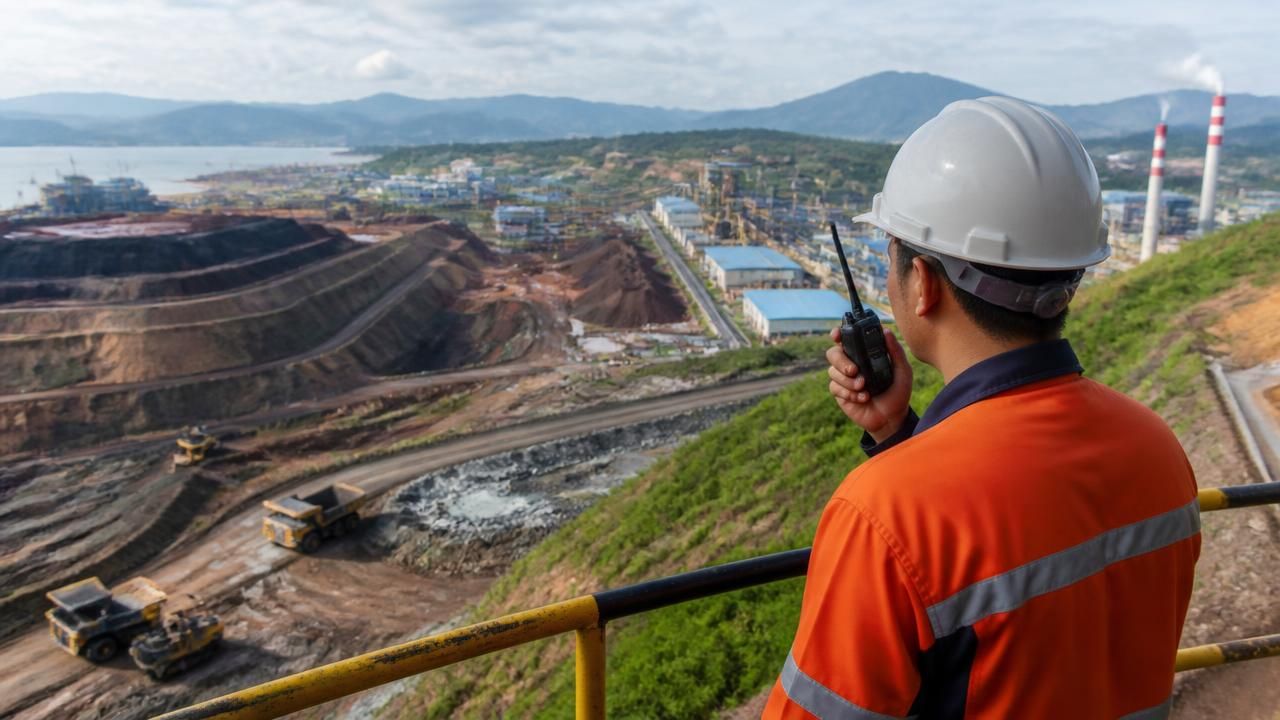
Indonesia accounts for over half of global nickel supply, much of it from the Morowali and Weda Bay industrial parks, where Chinese investment has enabled a rapid build-out of nickel pig iron and matte capacity. Any disruption in that supply chain reverberates globally.
Quota Hike Report Sends Prices Lower
That bullish momentum collided with a Bloomberg Markets report that nickel had "declined to the lowest level since mid-July on renewed speculation that Indonesia will grant a higher ore-production quota to one of the country’s largest mines." The implication was clear: more ore would mean more processed nickel, potentially flooding a market still recovering from oversupply.
Bloomberg also ran a separate story headlined "Indonesia Plans to Boost Nickel Output, Fueling Price Drop," suggesting that the government is prioritizing export revenues and downstream industrialization over price support. The report named no specific mine but traders widely assumed it referred to PT Vale Indonesia’s Sorowako operation or a similar large concession.
Official Denials and Market Skepticism
The selloff continued even after officials denied the quota plan. According to an MSN headline: "Nickel prices slip on rumored Indonesia quota hike despite official denial." The market’s reaction indicates a profound credibility gap; traders are skeptical that official statements reflect the full policy picture.
Seeking Alpha echoed that sentiment, reporting that "Indonesia's Reported Quota Rethink Caps Nickel Rally." Even if the quota hike is not immediate, the mere possibility is enough to suppress bullish bets. "The market is being whipsawed by every headline out of Jakarta," said one metals trader. "It's a delicate balance between encouraging local processing and maintaining global price stability."
"The market is being whipsawed by every headline out of Jakarta," said one metals trader. "It's a delicate balance between encouraging local processing and maintaining global price stability."
Chinese Investors Seek Alternatives
Meanwhile, Reuters turned its focus to the investors who have powered Indonesia’s nickel boom. In a piece titled "Chinese investors behind Indonesia's nickel boom scout alternatives as policy changes bite," the news agency reported that Beijing-based companies are beginning to look at other jurisdictions. The policy volatility—including export taxes, local content requirements, and unpredictable quota approvals—has made long-term investment planning increasingly difficult.
Some investors are reportedly in discussions with nickel projects in the Philippines, Papua New Guinea, and even Brazil. If capital begins to flow away from Indonesia, it could eventually undermine the country’s ambition to become a global powerhouse in EV battery materials. This is a critical subplot: Indonesia wants to move up the value chain, but it may be scaring away the very partners needed to do so.
Coal Cutback Adds to Policy Complexity
Indonesia’s interventionist approach extends beyond nickel. The Jakarta Globe reported that the government plans to cut coal output to 600 million tons in 2026 in order to lift prices. That move shows a willingness to manage commodity exports across the board, reinforcing the perception that policy will continue to shape markets in unpredictable ways.
Nickel is not coal, but the two are linked in Indonesia’s industrial planning: both are drivers of state revenue and both are subject to the same regulatory impulses. The coal decision may also affect nickel indirectly—by affecting energy costs for mining and processing facilities, as well as signaling a broader government stance on resource nationalism.
Outlook: Volatility Ahead
Where does this leave nickel prices? Looking back, Australian Resources & Investment had argued that nickel prices could surge in 2025, citing constrained supply and rising demand. But the current whipsaw suggests that policy intervention is the dominant variable. The IMF and World Bank have both cautioned Indonesia about the risks of heavy export restrictions, but so far Jakarta appears committed to its strategy.
Key factors to watch in the coming weeks and months:
- The Indonesian government’s formal decision on 2026 ore production quotas, due to be published in the coming months.
- Operating updates from PT Vale Indonesia and other major producers, which may reveal actual output cuts or expansions.
- EV battery demand growth, particularly in China and Europe, which underpins the long-term nickel outlook.
- The response of Chinese investors to rising regulatory risk—will they stay or redirect capital?
For now, the only certainty is uncertainty. Nickel is a metallic barometer of the energy transition, and in Indonesia it has become a political instrument as much as a commodity. Prices are likely to remain volatile until Jakarta clarifies its policy direction.