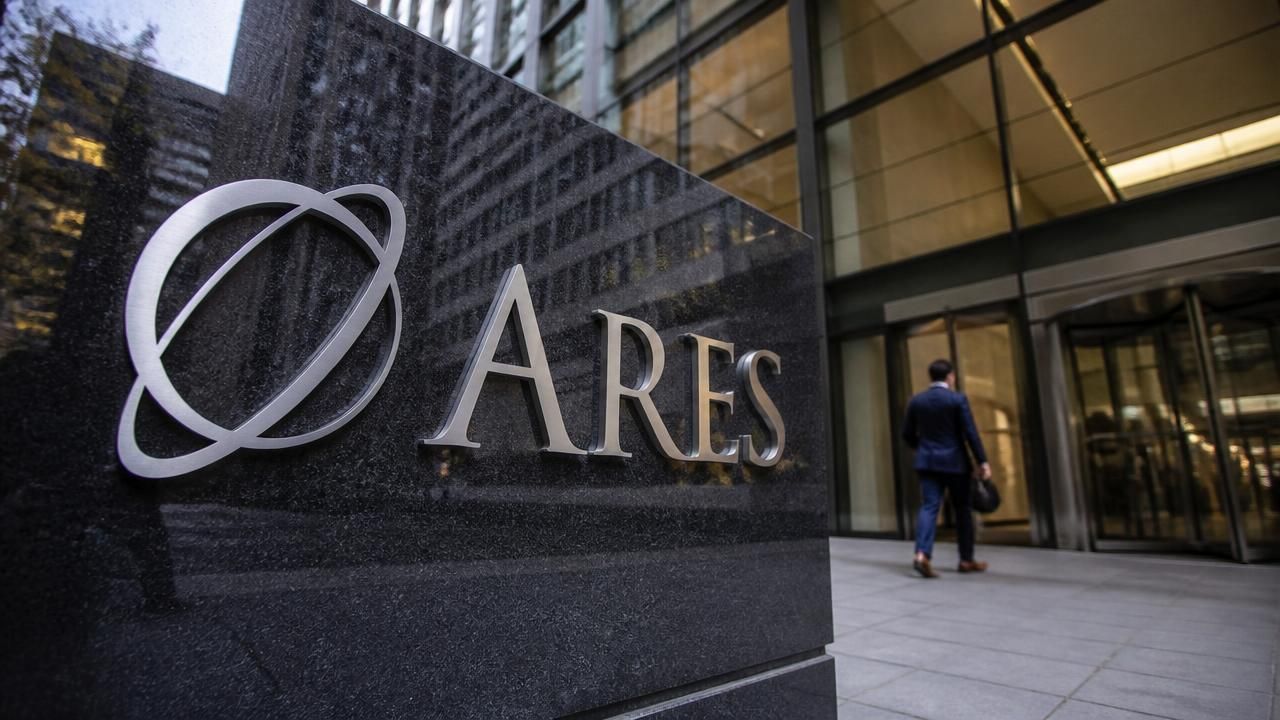
Ares Management Corp. is making a bold statement in the world of private credit. The Los Angeles-based asset manager is leading a $2.2 billion direct loan to finance a healthcare services acquisition—one of the biggest deals since the private credit market was roiled by record redemptions earlier this year. Simultaneously, Ares is reportedly eyeing a $3.4 billion credit secondaries transaction, which would rank among the largest private credit sales ever executed. And just days ago, the firm announced a record $36 billion fundraising haul, underscoring its aggressive expansion amid a period of market turbulence.
But the news is not uniformly rosy. Ares’ own funds are showing signs of stress: non-accruals—loans that have stopped paying interest—are ticking upward, and the firm’s $29 billion flagship private credit fund has reported an uptick in problem assets. This dual narrative of bold expansion and rising credit risk is the defining story of private credit in 2025.
Megadeals Reshape the Landscape
According to Bloomberg Markets, Ares is leading a $2.2 billion direct loan to help finance a healthcare services acquisition. The deal is notable not only for its size but for its timing: it comes in a year when private credit has faced headwinds from interest-rate volatility and investor redemptions. Yet Ares is pressing forward, signaling that the asset class still has appetite for large, complex financings.
Meantime, MSN reports that Ares is exploring a $3.4 billion credit secondaries deal—a transaction where investors buy existing private credit positions from other holders. If completed, it would be one of the largest such deals in history, providing liquidity to investors eager to exit while allowing Ares to acquire assets at potentially attractive prices. These moves are complemented by a record fundraising round: Ares has hauled in $36 billion for its private credit strategies, according to MSN, a testament to the continued appetite of institutional investors for yield in a world where traditional fixed-income returns remain depressed.
Defaults and Non-Accruals: The Growing Shadow
Yet the same sources highlight a troubling trend. The Wall Street Journal reported that Ares’ private-credit funds are showing rising defaults, even as the firm signs new deals. Specifically, Ares Capital—the firm’s publicly traded business development company (BDC)—saw non-accruals surge 26% year-over-year in the second quarter, according to an analysis on Scanx.trade. Similarly, Bloomberg notes that Ares’ $29 billion private credit fund has experienced an uptick in non-accruals, suggesting that the quality of underlying loans is deteriorating.
What is driving this? Reuters points to the ripple effects of the software rout, which has hammered technology valuations and left many software companies struggling to service debt. Asset managers with exposure to tech-heavy private credit portfolios are feeling the pain. The defaults are concentrated in sectors that benefited from low interest rates and frothy valuations during the pandemic boom, only to see their business models strained as rates rose and growth cooled.
A Pivotal Moment for Private Credit
TradeAlgo frames Ares’ $29 billion fund as a “pivotal moment” for the entire private credit industry. The fund’s size makes it a bellwether: if it can navigate rising defaults while continuing to deploy capital, it will validate the model; if it stumbles, the consequences could ripple across the financial system. The New York Times, in a widely cited piece, argues that bank turmoil is paving the way for even bigger “shadow banks”—non-bank lenders like Ares that operate without the same regulatory oversight. That trend is accelerating, but it also concentrates risk in less transparent corners of the financial system.
Risk and Reward in the Shadow Banking Era
The broader context is one of opportunity and peril. Finimize, in a separate analysis, flags the case of Prospect Capital, another major private credit player, whose eye-catching dividend yield masks significant risks. That piece serves as a cautionary tale for investors drawn to private credit’s high yields without fully appreciating the illiquidity and credit risk embedded in these investments.
Proponents argue that private credit offers a crucial alternative to traditional bank lending, especially as banking turmoil has constrained credit availability. The NYT notes that shadow banks are stepping into the void left by banks, providing much-needed capital to mid-market companies. However, critics worry that the rapid growth of private credit—now a $1.7 trillion asset class—has outpaced the infrastructure needed to manage it in a downturn.
Ares’ own actions reflect the industry’s confidence. The $2.2 billion healthcare loan and the potential $3.4 billion secondaries purchase demonstrate that the firm sees dislocations as buying opportunities. But with non-accruals rising, the firm is also managing a growing pool of troubled assets. The WSJ headline sums up the paradox: “Ares Private-Credit Fund Reports Rising Defaults, and New Deals.”
What to Watch
For investors, the key question is whether Ares can harvest enough returns from its new deals to offset losses from rising defaults. The firm’s record $36 billion fundraising suggests that institutional capital remains supportive, but that could change if performance falters. Additionally, the secondary market for private credit is evolving, with deals like the $3.4 billion transaction offering liquidity options—but also creating new pricing risks.
Regulators are also paying attention. The shadow banking system’s growth has prompted calls for greater transparency and oversight. As the NYT notes, the turmoil in the traditional banking sector is accelerating the shift toward non-bank lenders, but it also heightens the risk of a parallel banking system that is less resilient in a crisis.
“The $29 billion Meta deal marks a pivotal moment for private credit,” one analyst told TradeAlgo, “because it tests whether the asset class can handle scale, complexity, and stress simultaneously.”
In the coming quarters, all eyes will be on Ares’ earnings reports and its ability to manage the delicate balance between growth and risk. The private credit industry is entering a new phase—one defined less by easy expansion and more by careful navigation of a choppy economic environment. Ares’ moves will likely set the template for others to follow.
Sources: Bloomberg Markets, The Wall Street Journal, MSN, Reuters, Finimize, The New York Times, Scanx.trade, TradeAlgo.