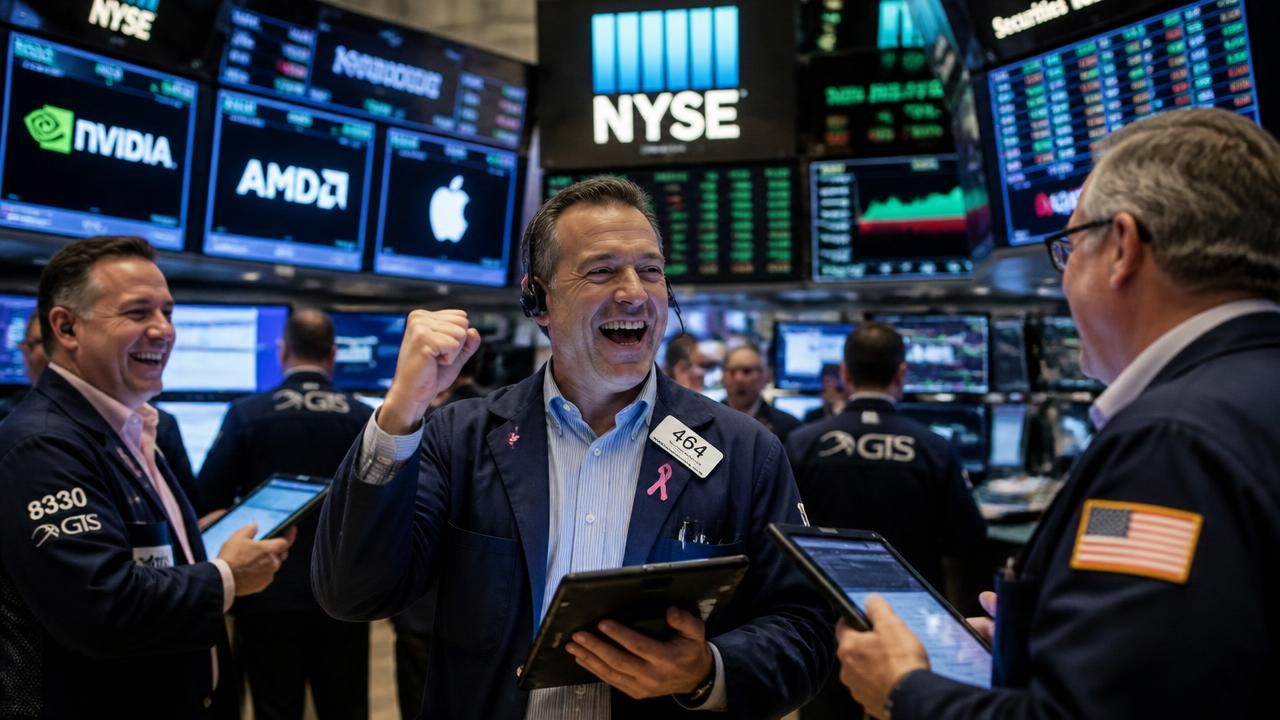
Wall Street closed at record highs on Tuesday, extending a four-day rally as a wave of better-than-expected corporate earnings underscored the strength of the AI-driven economy. The S&P 500 and the Dow Jones Industrial Average both finished at all-time highs, while the Nasdaq composite hit a fresh peak, powered by surging demand for artificial intelligence chips and infrastructure. Adding to the optimism was a potential US-Iran deal that could reopen the Strait of Hormuz, sending oil prices lower and easing inflation concerns.
AI Earnings Take Center Stage
The earnings season has become a referendum on the sustainability of the AI boom, and so far, corporate America is delivering. Nvidia, the poster child of the AI trade, reported results that topped expectations, with CEO Jensen Huang declaring that DeepSeek's emergence “ignited global enthusiasm” for AI. The company's stock surged, and its market value has grown so large that it now exceeds the combined value of Europe's largest stock markets. AMD also sparked an AI stock rally after its results, while Apple hit a historic $5 trillion market cap on optimism over its AI advancements and Siri overhaul.
Infrastructure players are benefiting, too. CoreWeave, a cloud provider specializing in AI, extended gains after expanding its data center deal with Meta Platforms. Arista Networks gained fresh AI momentum, and Oracle stock climbed on its AI power push as energy demand for data centers heats up. Supermicro, a maker of servers and storage, soared as AI stocks rallied broadly.
“AI demand remains almost unlimited,” one executive told CNBC, even as enterprises move toward “valuemaxxing” — a term for extracting maximum value from AI investments. The comment reflects a sentiment echoed across earnings calls: the buildout of AI infrastructure is far from over.
Memory Stocks Lead the Charge
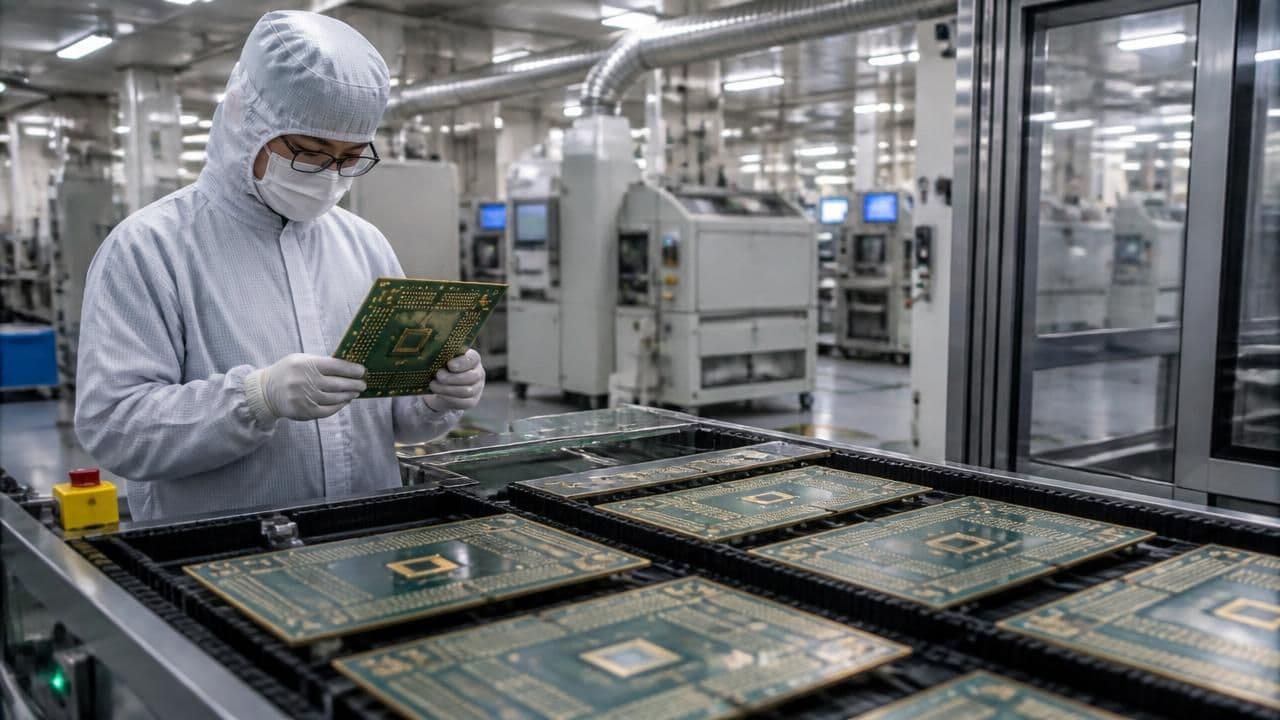
One of the most striking moves has been in memory chips, where prices and demand are soaring. Micron Technology's market capitalization surpassed $700 billion, and its stock is up more than 200% this year. SanDisk, Western Digital, and SK Hynix have also posted outsized gains. On Tuesday alone, Micron jumped as much as 7% while SanDisk climbed 4%, extending what analysts have called a “parabolic run.” SK Hynix shares surged 13% in Seoul, and Wall Street sees further upside as AI memory demand shows no signs of slowing.
ASML, the Dutch semiconductor equipment giant, hiked its sales forecast for the second time this year on strong AI chip demand, though its shares dipped on profit-taking. Meanwhile, Intel's upcoming earnings are being viewed as a key test: if Intel disappoints, it could signal the AI boom is stalling, but a strong report would confirm the rally has legs.
Global Markets Catch the AI Wave
The enthusiasm is not confined to the United States. Lenovo shares soared to a record high after delivering strong AI-driven earnings. In Korea, record-low valuations are being seen as an opportunity amid the AI earnings boom. Japan's Nikkei, however, fell as rising US long-term yields pressured semiconductor stocks, though Kioxia's operating profit forecast beat consensus by more than two times, and the company announced plans for a US listing. Australian tech stocks rallied on the back of Wall Street's gains, with Megaport shares surging 6.58%.
Oil, Iran, and Macro Tailwinds
A potential diplomatic breakthrough between the US and Iran has added fuel to the rally. Reports of a possible deal that would reopen the Strait of Hormuz sent oil prices tumbling, easing a key inflationary pressure. Lower energy costs boost consumer spending power and reduce input costs for businesses, supporting corporate margins. This macro tailwind, combined with strong earnings, has created a favorable environment for risk assets.
Caution Amid the Euphoria
Not everyone is convinced the rally can continue unabated. Forbes warned that “earnings growth is strong but the market is already pricing it,” suggesting valuations may leave little room for error. The market has also shown signs of fragility: at one point, the Dow sank 480 points as an AI selloff deepened, only to recover. Analysts are watching for concentration risk, as a handful of mega-cap tech stocks drive most of the index gains.
“The bull market remains intact, but the AI trade is stabilizing after a period of extreme moves,” Goldman Sachs said in a note. “Strong earnings keep us constructive, but investors should brace for higher volatility.”
Beyond Chips: Nuclear and Energy Plays
The AI boom is also reshaping the energy sector. Nuclear stocks like NuScale Power and Oklo have soared on the anticipation that AI's insatiable electricity needs will drive demand for clean, reliable power. Trump's executive orders on nuclear energy have added a policy tailwind. Oracle's push to secure power for its cloud data centers highlights the intersection of AI and energy infrastructure, a theme likely to persist.
Outlook
As earnings season rolls on, the market's direction will hinge on whether AI-related companies can keep beating expectations and whether the US-Iran deal materializes. For now, the momentum is clearly upward, with the S&P 500 and Dow at records. But as history shows, the higher the climb, the harder the potential fall. Investors would do well to heed the warnings of those who see froth, even as they ride the AI wave.
- S&P 500 and Dow close at record highs on Tuesday, August 4, 2026.
- Nvidia, AMD, Apple, and memory stocks lead the rally.
- Micron's market cap tops $700 billion; SK Hynix surges 13%.
- US-Iran deal hopes lower oil prices, supporting broader market.
- Analysts advise caution despite strong earnings, citing high valuations.