South Africa's National Treasury will appoint financial advisers in the coming weeks to begin formal negotiations with creditors over the planned spin-off of state-owned power utility Eskom's transmission subsidiary. The move marks a critical step in the country's long-delayed restructuring of its electricity sector, which has been plagued by chronic power cuts and mounting debt.
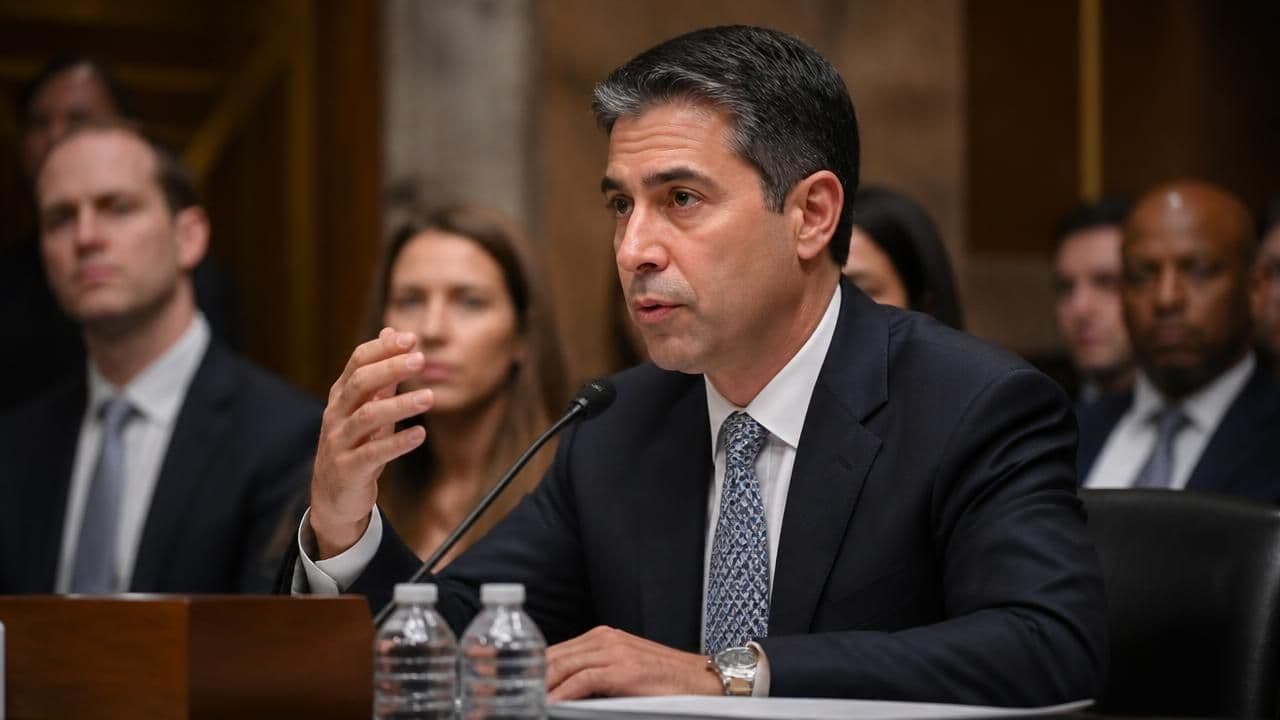
The announcement, made by the head of the National Treasury, signals that Pretoria is ready to tackle one of the most complex aspects of Eskom's unbundling: how to separate the transmission grid from the utility's struggling generation and distribution businesses without triggering a credit event or a spike in borrowing costs.
Background: A Utility in Crisis
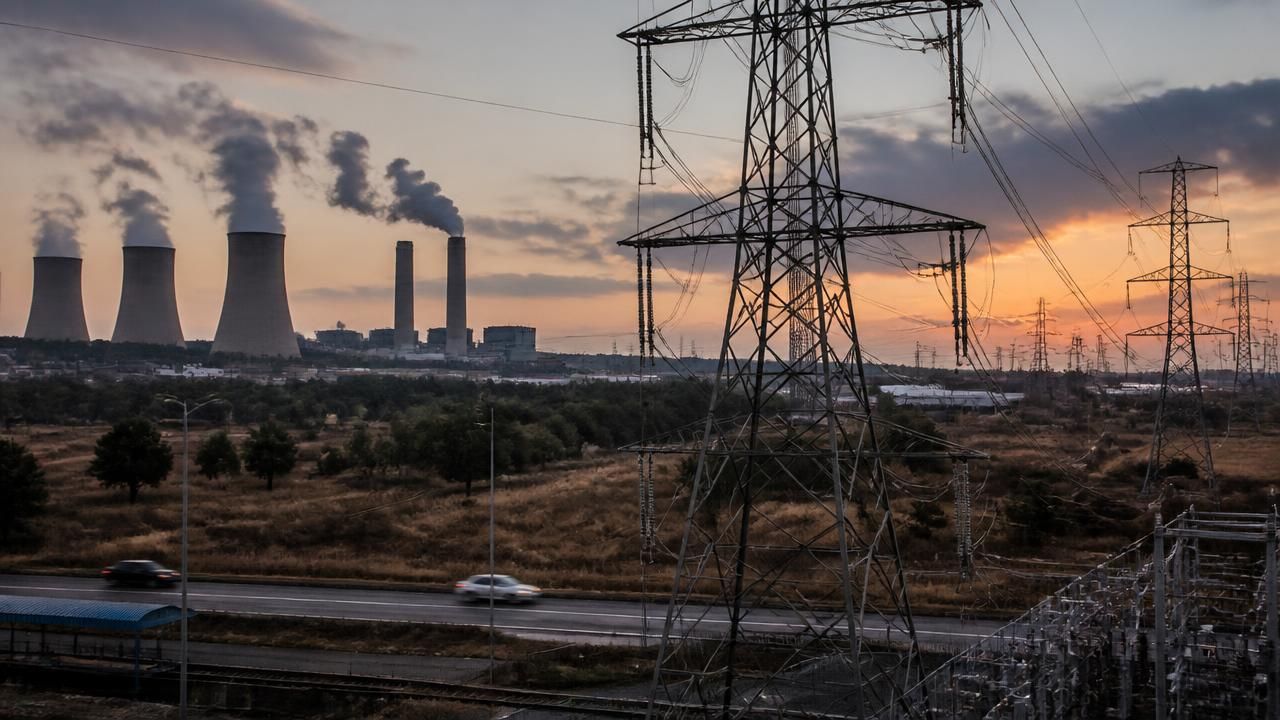
Eskom, which supplies about 90% of South Africa's electricity, has been at the heart of the country's economic stagnation. The utility carries more than R400 billion (approximately $22 billion) in debt, relies on government bailouts, and has implemented rolling blackouts—known locally as load-shedding—at record levels in recent years. The transmission network, which moves power from coal stations and renewable plants to cities and industry, is considered the most attractive part of the business, with a stable revenue stream from grid access fees.
The unbundling plan, first announced by President Cyril Ramaphosa in 2019, envisions splitting Eskom into three separate entities: generation, transmission, and distribution. The transmission company would be established as a wholly-owned subsidiary, with the ultimate goal of creating an independent grid operator that can facilitate a transition to renewable energy and competitive power markets.
Negotiating with Creditors
The decision to hire advisers follows months of internal debate about how to protect bondholders while still enabling the spin-off. Eskom has issued debt both domestically and internationally, and some loan agreements contain cross-default provisions or restrictions on asset transfers. Treasury officials need to secure waivers or amendments from lenders before the transmission subsidiary can be formally separated from the parent company.
"We are in the process of appointing transaction advisers who will work with us and Eskom to engage with creditors," the head of the National Treasury told Bloomberg, requesting anonymity because the matter is sensitive.
The advisers are expected to map out a negotiation strategy, assess the financial implications of the spin-off, and help structure a deal that reassures investors. The goal, according to Treasury, is to create a "credit resilient" transmission company that does not undermine Eskom's overall cash flow or the government's own credit rating, which is already at junk status with all major agencies.
Different Perspectives
Financial markets have reacted cautiously to the announcement. Some analysts see the adviser appointment as a positive signal that the Treasury is finally serious about executing the unbundling, which is a key reform under the country's $8.5 billion loan package from the International Monetary Fund. Others warn that negotiations with creditors could take years and may lead to contentious legal battles if some lenders refuse to accept new terms.
The left-leaning trade unions and opposition parties have expressed concern that the spin-off could lead to job losses and higher electricity tariffs. The National Union of Mineworkers has previously called for Eskom to remain a vertically integrated monopoly, arguing that unbundling would fragment the utility and make it easier for private companies to enter the market at the expense of workers.
Meanwhile, energy experts and business groups have welcomed the move as a necessary first step toward ending the power crisis. "The transmission company is the linchpin of electricity sector reform," said energy analyst Hilton Trollip, who has advised the government on restructuring. "If you can secure the grid's independence and attract private investment into it, you unlock a massive pipeline of renewable projects."
What Happens Next
The Treasury's immediate priority is to finalise the adviser appointments and conduct due diligence on Eskom's loan book. The advisers will likely work in tandem with Eskom's own financial team and the Department of Public Enterprises, which oversees the utility. Formal negotiations with creditors are expected to begin in the second half of the year.
Key issues on the table include:
- Whether the transmission subsidiary will assume a portion of Eskom's debt or be launched debt-free.
- How to handle guarantees that the government has extended to Eskom's lenders.
- The regulatory regime for the new transmission company, including tariff setting and ownership limits.
- Timelines for the eventual sale of a minority stake to private investors or a strategic partner.
The success of the spin-off is seen as vital for South Africa's effort to attract private investment in its energy sector. The country has abundant solar and wind resources, but grid congestion and Eskom's financial instability have deterred investors.
Implications for the Economy
Analysts say that a well-executed transmission unbundling could significantly improve South Africa's economic outlook by reducing the frequency and severity of load-shedding. The central bank has estimated that power cuts shaved as much as 1.5 percentage points off GDP growth in 2023. In contrast, a failed or stalled restructuring could deepen the crisis, forcing the government to take on even more Eskom debt and further straining public finances.
The appointment of advisers is a procedural but necessary milestone. It indicates that the government is willing to engage with the market and work through the technical complexities of the spin-off. Whether that translates into tangible progress remains to be seen, but for a country desperate for reliable electricity, any forward movement is welcome news.