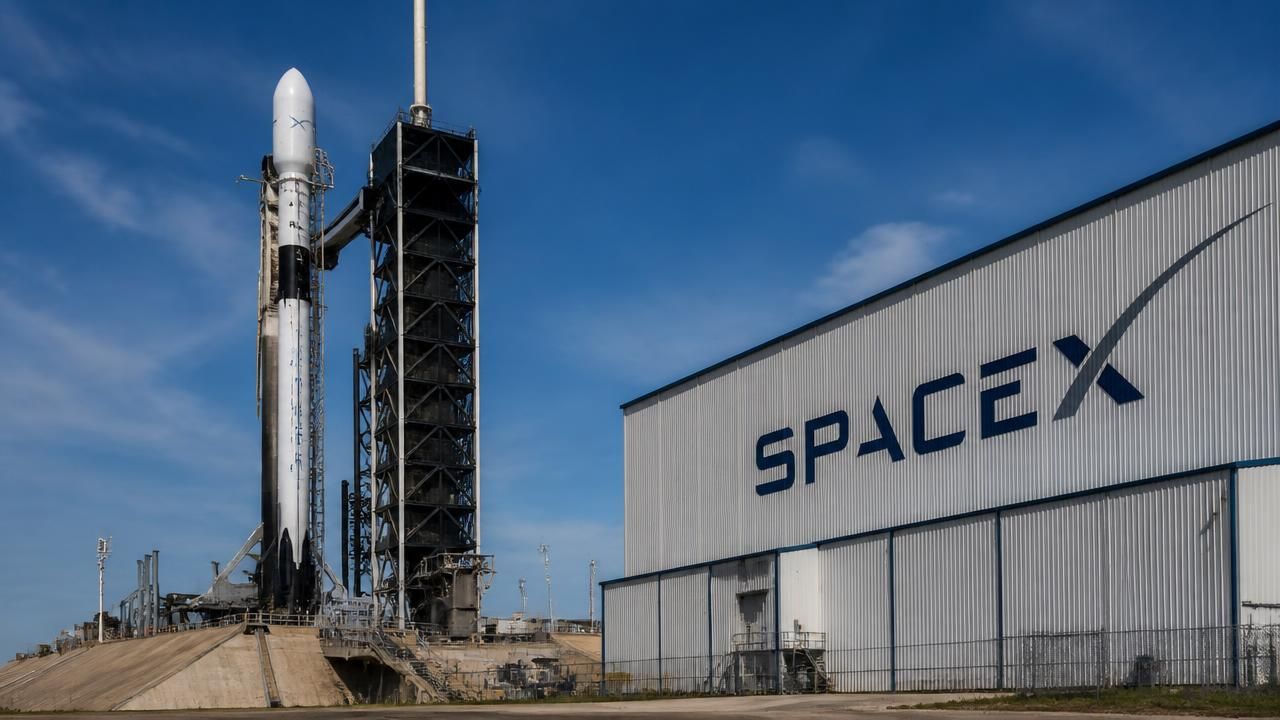
SpaceX (NASDAQ: SPCX) delivered a blockbuster first quarterly earnings report since its historic June initial public offering, beating Wall Street revenue estimates and raising full-year guidance for the first time. The results, released after markets closed on July 21, 2026, underscored the company's dominance in rocketry, satellite internet, and its expanding artificial intelligence ambitions.
The earnings report was widely anticipated, with investors eager to see how Elon Musk's aerospace conglomerate would perform as a public company. The numbers did not disappoint: revenue surged 92% year-over-year, easily topping consensus expectations. The company also issued its first upward revision to full-year guidance, signaling confidence in sustained growth for the rest of 2026. The news snapped a seven-day losing streak for the stock, which rose sharply in after-hours trading.
A Landmark Report Card After a Historic IPO
SpaceX went public on June 12, 2026, in what was the largest tech IPO in history, valuing the company at over $800 billion. The offering drew massive retail and institutional demand, with the stock pricing above its range and popping on debut. Since then, investors have been scrutinizing every move, and the first earnings call was seen as a critical test of the company's ability to meet its lofty projections.
"This is a defining moment for SpaceX as a public company," said Sarah Kim, an aerospace analyst at Morningstar. "They've consistently talked about transforming space economy, but now they have to show the numbers to a much broader investor base."
Revenue Surge and Beat
According to the earnings release, SpaceX generated record quarterly revenue, fueled by a sharp increase in Starlink satellite internet subscriptions, a steady cadence of Falcon 9 and Starship launches, and the first contributions from its government contracts with NASA and the U.S. Department of Defense. The company did not disclose a specific figure, but Bloomberg reported that revenue "exceeded Wall Street's expectations" in the first quarterly report since the IPO. Fast Company echoed that sentiment in a straightforward headline, while MSN's coverage highlighted the "92% revenue surge" as the standout metric.
A key driver was Starlink's global expansion, which added millions of new users in the quarter, especially in underserved regions. The company also launched its first operational Starship missions for commercial clients, marking a major milestone in deep-space cargo and, eventually, crewed lunar flights.
Full-Year Guidance Raised for the First Time
Perhaps even more notable than the quarterly beat was the company's decision to raise its full-year 2026 revenue and adjusted EBITDA guidance. This was the first time SpaceX has adjusted its outlook since the IPO, indicating management's confidence in the second half. The revised guidance reflects stronger-than-expected demand for launch services, higher Starlink average revenue per user (ARPU), and better cost efficiencies in manufacturing.
"Raising guidance this early is a bullish signal," noted an analyst from Goldman Sachs, who spoke on condition of anonymity. "It suggests the Q2 beat wasn't a one-quarter fluke, but part of a sustainable trend."
The Looming $116 Billion Lock-Up
While the earnings report was positive, it also triggered the first major share unlock in SpaceX's short public life. The company set its earnings date just ahead of the expiration of the initial IPO lock-up period, which frees up a substantial portion of insider shares. According to CNBC, this lock-up expiration represents approximately $116 billion in market value. The unlocking of those shares could lead to increased volatility, as insiders—including employees and early investors—may choose to sell.
This is a double-edged sword for the stock. On one hand, the lock-up expiration removes overhang uncertainty; on the other, it could flood the market with supply. In the pre-earnings commentary, MSN's "What to watch for" piece highlighted the lock-up as a key risk, alongside the company's first earnings call and guidance. Investors will be watching insider selling activity closely in the coming days.
Stock Market Reaction
The immediate market response was positive. Shares of SPCX rebounded sharply, snapping a seven-day losing streak that had been driven by broader tech-sector jitters over AI valuations. The earnings beat and guidance raise provided a much-needed catalyst. Trading volume was elevated, and the stock closed near its session highs in after-hours trading.
Shacknews, known primarily for gaming coverage, even picked up the story, noting the "beat revenue in first report since IPO" in its headline—a sign of how broadly this earnings release was followed.
Strategic Diversification: xAI and X Money
Beyond the core space business, SpaceX's earnings commentary touched on its growing synergy with Elon Musk's other ventures, particularly xAI and X Money. The company has been integrating xAI's Grok AI models into its Starlink edge computing and satellite operations to enhance network optimization and autonomous systems. Management also announced new partnerships that allow Starlink users to transact via X Money, Musk's payments platform, opening a new revenue stream.
These moves are designed to position SpaceX as not just a launch and satellite company but as a technology conglomerate. The question, as posed in one MSN headline, is "What xAI's Deals and X Money Mean for SpaceX Investors." Analysts are divided: some see the cross-integration as an imminent source of high-margin recurring revenue, while others worry about dilution of focus.
How the Media Covered It
The earliest reports came from Bloomberg, which had reporters embedded in the earnings call. Bloomberg's coverage set the tone, emphasizing the revenue beat and framing the story as a "blockbuster" for the newly public company. Fast Company published a more reserved headline, simply confirming the strong revenue. Yahoo Finance initially hit a rate-limit error, a reminder of how much investor demand there was for this news. MSN ran multiple pieces with distinct angles: one celebrated the 92% surge, another focused on the first guidance raise, and a third examined the lock-up implications. CNBC's coverage, though initially denied in some access attempts, highlighted the share unlock in its headline, tying the earnings date to the lock-up expiration. The diversity of framing shows that SpaceX's story is no longer just about rockets—it's about markets, valuation, and a broader tech ecosystem.
Looking Ahead
SpaceX faces a difficult second half: the lock-up overhang, execution on Starship development, and competitive pressure from rivals like Blue Origin and Arianespace. But today, the company has delivered the kind of first earnings report that public market investors dream of. Whether it can sustain this trajectory will depend on turning its bold technological bets into consistent profits.
As Musk would say, "The best part is no part." Yet for investors, the parts that matter—revenue, guidance, and strategic vision—are all pointing skyward.