Private equity giant Cerberus Capital Management is making a bold bet on the intersection of national security and commerce. The firm, co-founded by Stephen Feinberg, who now serves as Deputy Secretary of Defense, is seeking to raise at least $4 billion for its latest supply-chain fund, according to Bloomberg Markets. The fund would back investments deemed critical to the U.S. economy, signaling a deepening entwinement of Wall Street and the Pentagon's sprawling logistics network.
But Cerberus's ambitions extend beyond military supply chains. The Wall Street Journal reports the firm is also exploring a $9 billion-plus deal for grocery chain Safeway, while Safeway's parent company Albertsons is simultaneously preparing an initial public offering amid concerns over underfunded pensions, according to the New York Post. Together, these moves illustrate how private capital is aggressively targeting sectors ranging from defense to everyday retail.
Cerberus Raises $4 Billion for Supply Chain Fund
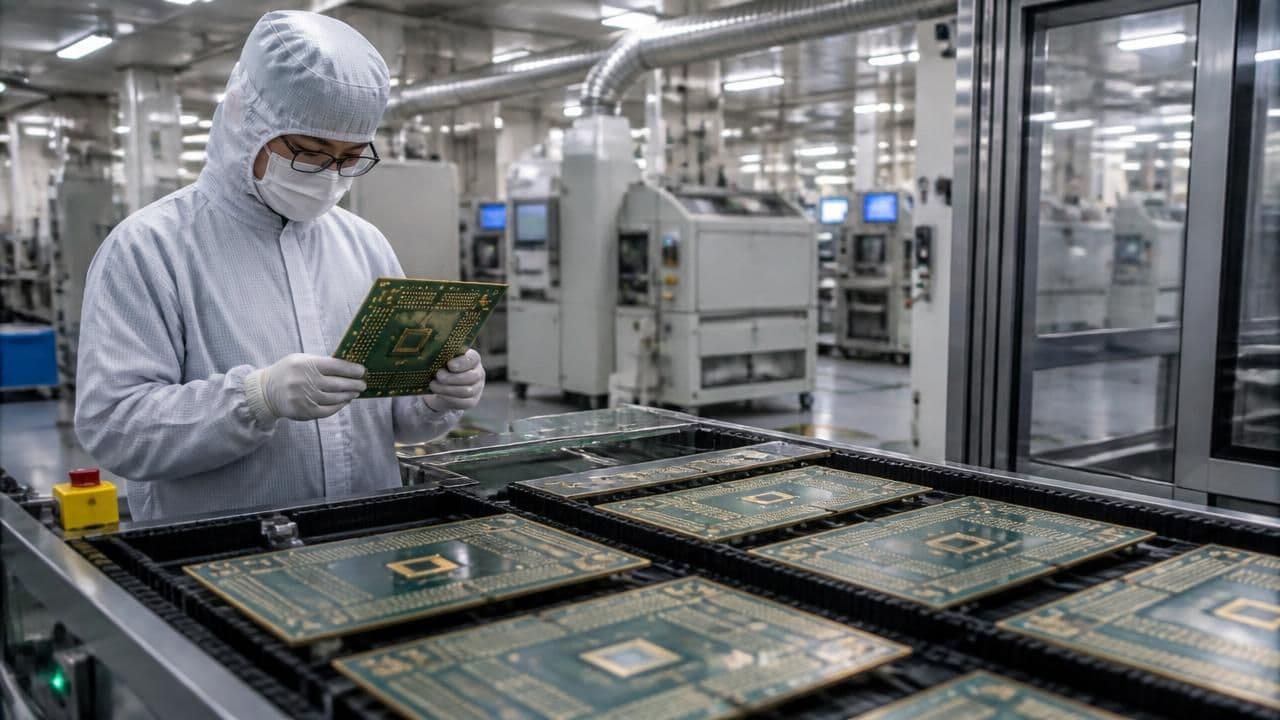
The new fund, which would be Cerberus's second dedicated to supply-chain investments, underscores the growing strategic importance of logistics and resilience in a post-pandemic world. Bloomberg notes that the fund will focus on businesses critical to the U.S. economy, a category that has expanded to include everything from semiconductors to pharmaceutical ingredients. The $4 billion target is a significant war chest, giving Cerberus the firepower to execute large, transformative deals in a sector that has become a national priority.
The firm's pedigree is unusual: Feinberg's dual role as a top Pentagon official and private equity leader has drawn both scrutiny and praise. Proponents argue that his insider perspective helps align private investment with defense needs; critics worry about potential conflicts of interest. Regardless, Cerberus is positioned to be a key player in the privatization of defense logistics.
Private Equity Targets the Pentagon
Cerberus is not alone. The Middle Market, a financial publication, recently declared that “PE Storms Pentagon’s Supply Chain,” capturing a broader trend. Bloomberg's coverage similarly highlights how private equity firms are circling the U.S. military's ~$1 trillion annual budget, seeking to profit from everything from ammunition production to cybersecurity. With the Pentagon increasingly relying on commercial partners and agile startups, private equity sees an opening to consolidate fragmented supply chains and bring efficiency to a bureaucratic behemoth.
This rush into defense is not without friction. Inc.com posed the question: “The Pentagon Wants Innovation. Small, Nimble Businesses Want to Deliver. So What’s the Problem?” The answer, often, is red tape, slow procurement cycles, and the difficulty of navigating security clearances. Private equity firms like Cerberus aim to bridge that gap, but critics warn that profit motives may clash with national security priorities.
Korea Inc's $150 Billion Bet
The defense-supply chain theme converges with another major investment wave. South Korean conglomerates—collectively known as Korea Inc—have pledged a staggering $150 billion in U.S. investment, according to KED Global. Korean Air has committed to buying new planes, while Samsung and Hyundai Motor have vowed extra spending on American facilities. These investments span semiconductors, electric vehicles, and aerospace, all of which are now considered critical to U.S. economic and national security. For Cerberus and other private equity players, such global capital flows create both competition and partnership opportunities in the race to secure supply chains.
Safeway and Albertsons: A Retail Sideline
Cerberus's reported interest in Safeway reveals a different dimension of its strategy. The grocery industry is another critical supply chain, one that has faced massive disruptions and margin pressures. According to the WSJ, a deal would be worth north of $9 billion. However, the New York Post reports that Albertsons, which owns Safeway, is pursuing an IPO to raise capital and address its underfunded pension obligations. This juxtaposition—private buyout versus public offering—highlights the competing paths available to distressed or undervalued companies. A Cerberus acquisition could provide Albertsons with liquidity, but it would also further consolidate an already concentrated grocery sector.
Differing Media Framings
The coverage of these events reflects distinct editorial lenses:
- Bloomberg Markets frames the $4 billion fund raise as a strategic financial play, focusing on the size and purpose of the fund.
- The Middle Market emphasizes the aggressive energy of private equity in the defense arena, using militaristic language like “storming.”
- KED Global highlights the international dimension, showcasing Korea's commitment as a geopolitical and economic statement.
- The Wall Street Journal zeroes in on the specific Safeway deal, underscoring the potential scale of Cerberus's retail ambitions.
- The New York Post takes a skeptical angle, linking the IPO to pension woes and questioning the company's financial health.
These perspectives collectively paint a picture of a financial ecosystem where private capital is increasingly intertwined with public interests, from national defense to food security.
Implications and Outlook
The convergence of private equity, defense contracting, and critical infrastructure raises profound questions. On one hand, firms like Cerberus argue that they can inject much-needed capital and agility into systems that are too slow and underfunded. On the other, there is a growing risk of over-reliance on a handful of powerful financial players for functions that are essential to the nation's survival. As the Pentagon's budget swells and Korea Inc pours billions into U.S. manufacturing, the line between commercial profit and public service will only blur further.
For now, Cerberus is moving on all fronts—raising billions for supply chains, eyeing supermarkets, and leveraging its unique ties to the Pentagon. Whether these bets pay off will depend on global markets, regulatory oversight, and the resilience of the very supply chains they seek to fortify. One thing is certain: private equity's march into America's strategic assets shows no signs of slowing.