The Trump administration's ambitious push to broker a Hamas disarmament deal in Gaza has hit a critical roadblock, with Israel formally voicing "serious security concerns" to Washington. The development, confirmed by the Israeli Prime Minister's office spokesman, comes just days after President Trump announced the proposed agreement and as violence on the ground continues to undermine hopes for a swift end to the conflict.
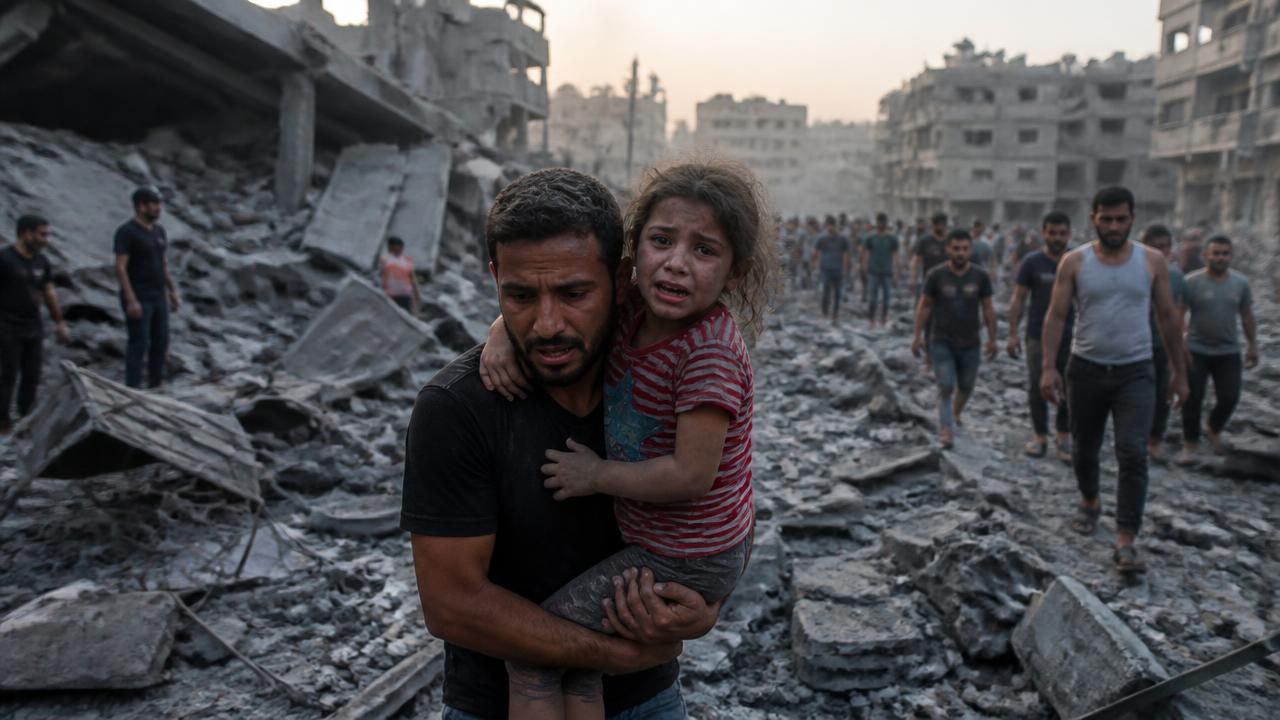
Overnight Israeli strikes into Sunday evening killed at least 17 people, including children, according to NPR and witnesses on the ground. The strikes underscore the fragility of the current moment, even as diplomatic channels buzz with activity over a deal that would require Hamas to lay down its arms.
The Deal and Israel's Objections
The proposed framework, unveiled by President Trump last week, is predicated on Hamas voluntarily disarming in exchange for a comprehensive ceasefire and an end to hostilities. While the White House has touted the plan as a breakthrough, Israel has approached it with deep skepticism. Speaking on behalf of the Prime Minister's office, a spokesman confirmed that Israel has transmitted its reservations to American officials, emphasizing that any deal must not compromise the country's national security.
"Israel shared 'serious security concerns' with the US over the Hamas disarmament deal," the spokesman said, in a statement carried by multiple outlets, including The Times of Israel and Newsmax.
Officials in Jerusalem are said to be worried about the practicalities of disarmament—how weapons would be collected, who would verify compliance, and what mechanisms would prevent Hamas from rearming in the future. These are not new questions; past agreements with militant groups have often faltered precisely at the verification stage.
High-Stakes Test for Trump's Ceasefire Board
The Sun-Sentinel framed the unfolding situation as a high-stakes test for Trump's Gaza ceasefire board, the special body established to oversee implementation of the ceasefire and disarmament. The board, which includes representatives from the US, Israel, and potentially international observers, is now facing its first major hurdle as Israel's objections threaten to derail the process before it even begins.
The ceasefire board was designed to be the mechanism that would breathe life into the deal, ensuring that both sides fulfill their obligations. But with Israel publicly airing its doubts, the board's credibility is on the line. A failure to bridge the gap could not only collapse the deal but also erode trust in the administration's ability to mediate one of the world's most intractable conflicts.
On the Ground: The Human Toll
As diplomats wrangle over the future, the reality of the conflict remains brutally visible. The latest Israeli strikes, which occurred overnight and continued into Sunday evening, killed at least 17 Palestinians, including children, according to NPR's reporting. Medical officials in Gaza reported that entire families were among the casualties.
The timing of these strikes is significant. They come immediately after Trump's announcement, suggesting that Israel is either seeking to pressurize Hamas at the negotiating table or is continuing long-planned operations regardless of diplomatic movements. For many observers, the strikes highlight the disconnect between the optimistic rhetoric surrounding the deal and the grim facts on the ground.
Differing Media Perspectives
The story has been covered through various lenses across the international press. The Independent and Gloucester Times ran wire stories that focused squarely on Israel's official position, emphasizing the government's caution. Kurdistan24 highlighted the security objections as a potential stumbling block, while AAP noted the concerns without delving into specifics.
Local outlets like the Flamborough Review and Kyabram Free Press carried the same wire story, a testament to the global interest in the developments. Newsmax, after being denied access to its own article, still managed to relay the headline, indicating the issue has captured American conservative media attention as well.
Historical Context
Disarmament plans in Gaza have a long and troubled history. After Israel's disengagement in 2005, repeated attempts to prevent arms smuggling and demilitarize militant factions largely failed. Hamas's 2007 takeover of Gaza and subsequent conflicts have made any disarmament proposal extraordinarily sensitive. Israel's security establishment recalls previous ceasefires that were used by Hamas to rearm and rebuild tunnels, making them highly reluctant to sign any agreement without airtight guarantees.
On the other hand, Palestinian civilians have borne the brunt of five major wars in the past two decades. The humanitarian cost of continued violence is immense, with over 40,000 deaths reported in the current conflict alone, according to recent UN estimates. This backdrop explains why the Trump administration is pushing so hard for a deal—and why the stakes are so high for every party involved.
Path Forward
With Israel's concerns now formally on the table, the next few days are likely to be crucial. American mediators are expected to engage both sides to see if the gaps can be closed. One possible compromise might involve a phased disarmament process, overseen by international monitors, that would provide Israel with confidence-building measures.
Meanwhile, the violence continues. Each strike risks inflaming the situation and making diplomatic progress even harder. The coming weeks will test whether the Trump administration's grand vision can survive contact with reality—and whether Israel's concerns are a genuine obstacle or merely a negotiating position.
For now, the world watches as a fragile window for peace hinges on intricate security guarantees and the willingness of both sides to trust, even just a little, the political process.