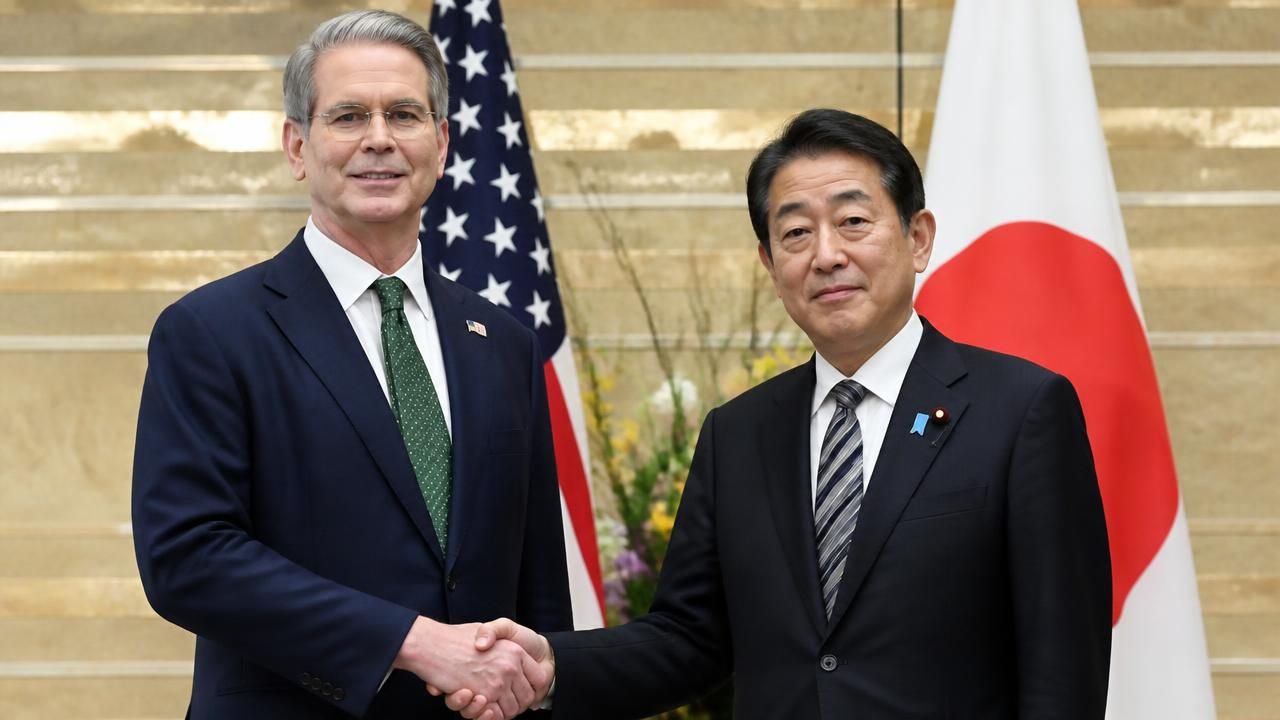
In a dramatic turn of events, the Japanese yen has staged one of its most impressive rebounds in years, thanks to an unusual alliance between Washington and Tokyo. After months of relentless depreciation that stoked inflation and rattled global markets, the yen's recovery was engineered not solely by Japan's central bank, but with the explicit backing of U.S. Treasury Secretary Scott Bessent and the Federal Reserve. According to reports, Japan spent a staggering $74 billion propping up the currency, while the U.S. Treasury informed banks it was prepared to intervene directly in the yen's defense—a rare move that underscores the gravity of the situation.
A Coordinated Intervention Like No Other
The yen's slide had been one of the most closely watched stories in global finance. Over the past year, the currency lost ground against the dollar, hitting levels not seen in four decades. This decline, driven by a widening interest rate gap between the U.S. and Japan, fueled a massive carry trade where investors borrowed yen at ultra-low rates to buy higher-yielding dollar assets. As the yen weakened, Japanese households faced soaring import costs, and policymakers grew increasingly alarmed.
But the tide began to turn when reports emerged that U.S. Treasury Secretary Scott Bessent had been actively engaged in negotiations with Japanese officials. According to a source cited by MSN, the U.S. Treasury informed major banks that it "may intervene" in the yen market, signaling Washington's willingness to join Tokyo in combating excessive volatility. This unprecedented move was confirmed by subsequent statements from Bessent, who affirmed the "close U.S.-Japan ties in tackling currency volatility."
"The U.S. and Japan are working together to ensure orderly market conditions," Bessent said in a statement, according to reports. "We are committed to addressing excessive currency moves that harm economic stability."
The Federal Reserve's Role
Investors, however, see a deeper battle at play—one that centers on the Federal Reserve. Analysts argue that while Japan's intervention provided immediate relief, the yen's long-term trajectory depends on U.S. monetary policy. "The real battle is with the Fed," noted a CNBC headline, capturing the sentiment that without a shift in U.S. interest rates, any yen rebound may be short-lived. The Fed's prolonged period of high rates has made the dollar extraordinarily attractive, and as long as that persists, the yen remains vulnerable.
Yet, the coordination between the Fed and the Bank of Japan appears to have gone beyond mere rhetoric. Sources indicate that the Federal Reserve may have quietly agreed to moderate its hawkish stance, allowing the yen to breathe. This would explain why the yen's rebound has been described by Bloomberg as "one of the most notable" since the currency began its years-long slide.
The $74 Billion Question
According to data cited by CNBC, Japan's intervention in the currency market totaled approximately $74 billion. This massive sum was deployed over several days, with the Bank of Japan selling dollars and buying yen. The scale of the operation sent shockwaves through the carry trade, forcing leveraged investors to unwind positions rapidly. This, in turn, amplified the yen's rally, creating a feedback loop that further supported the currency.
The intervention was not without controversy. Critics in Japan and abroad questioned whether such spending was sustainable, while others argued it was a necessary response to speculative attacks. A Japanese finance ministry official defended the move, stating, "We will continue to take decisive action against disorderly market movements."
Market Framing and Perspectives
Different media outlets have framed the story in contrasting ways. Bloomberg Markets emphasized the joint U.S.-Japan effort, calling it a "notable rebound" engineered by Bessent and the Fed. Japan Times, while covering the same events, focused on the domestic impact, noting how the yen's slide had stoked inflation and hurt Japanese consumers. Meanwhile, MSN's reports highlighted the secretive nature of the U.S. commitment, citing sources that revealed the Treasury's intervention warning to banks.
These varying angles reflect the complexity of the situation. From Washington's perspective, a stable yen is crucial for global financial stability. For Tokyo, it is a matter of economic survival. The coordination between the two allies marks a significant shift in how major economies address currency misalignments, potentially setting a precedent for future interventions.
Historical Context and Implications
The yen's rebound carries echoes of previous intervention efforts, most notably in the 1985 Plaza Accord, where global powers agreed to depreciate the dollar. However, today's circumstances are different. The dollar's strength is rooted in the Fed's inflation fight, and any coordinated effort to weaken it could have unintended consequences for U.S. price stability.
For Japan, the intervention provides temporary relief, but structural issues remain. The country's aging population and economic stagnation have made it heavily reliant on exports, and a strong yen can hurt competitiveness. Yet, a weak yen has proven equally damaging by raising the cost of imported energy and food, squeezing households. The government now faces the delicate task of finding a balanced exchange rate that supports growth without igniting inflation.
Looking ahead, investors are closely watching the Federal Reserve's next moves. If the Fed signals a pivot toward rate cuts, the yen could strengthen further. Conversely, if the Fed holds steady, Japan may be forced to intervene again, depleting its foreign reserves. Some analysts suggest that the true solution lies in addressing the root cause: the divergence in monetary policy between the two nations.
"Intervention can only buy time," said a senior currency strategist at a Tokyo-based bank. "The fundamental issue is the Fed. Unless that changes, this rebound might be temporary."
A New Era of Currency Diplomacy
Whatever the outcome, the events of recent weeks have redefined currency diplomacy. The U.S. Treasury's willingness to back Japan's intervention signals that Washington will no longer stand idly by while dollar strength destabilizes allied economies. It also hints at a more interventionist approach to foreign exchange, moving away from the traditional U.S. policy of letting markets determine exchange rates.
For now, the yen has regained some ground, and markets are breathing a sigh of relief. But the underlying tensions remain. As Eleanor Smith, a global macro analyst, put it in a research note: "We are witnessing a paradigm shift. The Fed and the Treasury are now players in the FX market, and that changes everything. The only question is: what comes next?"
The coming months will reveal whether this joint effort is a one-off intervention or the beginning of a broader strategy to manage currency volatility in a world of divergent central bank policies.