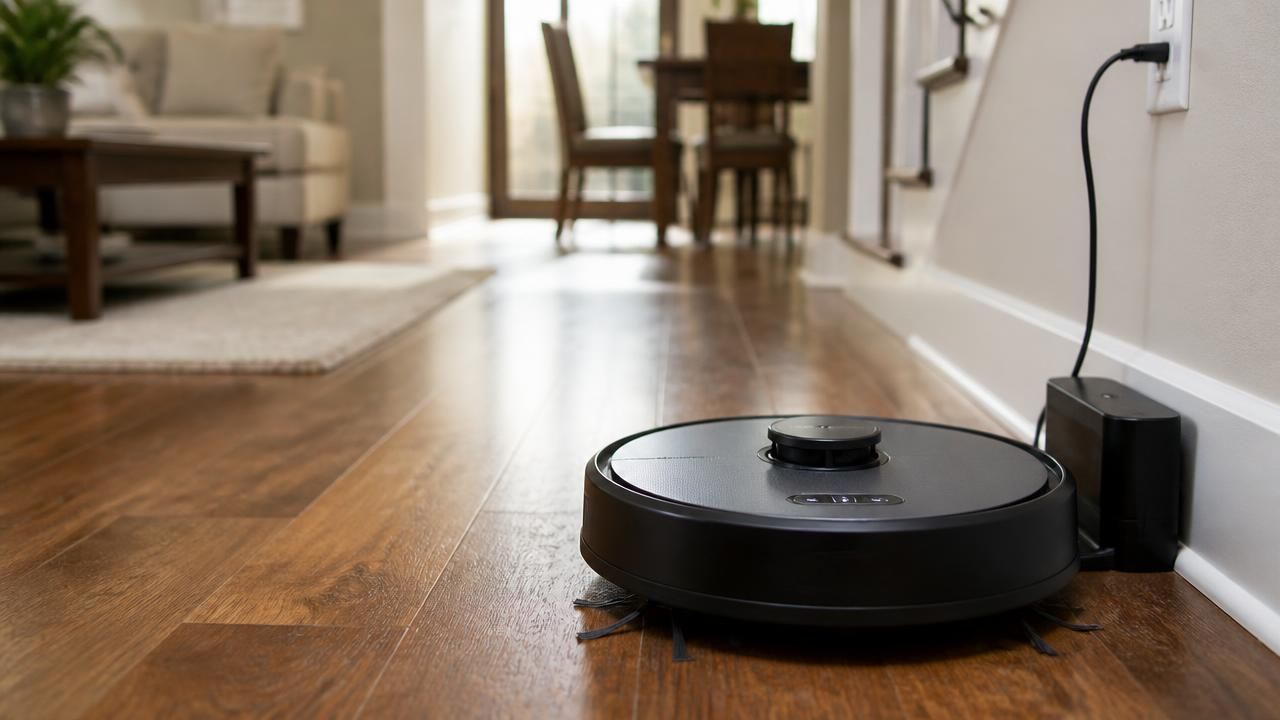
The Federal Communications Commission has triggered a consumer-tech shakeup with a new rule that effectively bans the import and sale of most foreign-made robot vacuums, robotic lawn mowers, and pool-cleaning robots in the United States. The agency's decision, framed around national security concerns, has swept up some of the most popular smart-home devices on the market, leaving consumers, manufacturers, and retailers scrambling to understand what comes next.
What the FCC Rule Does
According to multiple outlets, including Wired and USA Today, the FCC's new restriction targets "mobile robots" manufactured by foreign entities deemed adversarial to U.S. interests—most notably Chinese companies. The rule applies to devices that use wireless communication and can collect, store, or transmit data, including robot vacuums, lawn mowers, and pool cleaners. Tom's Guide reported that "almost all" robot vacuums are affected, because the vast majority of these devices are made in China, even if they are sold under American or other international brands.
The FCC clarified that the ban does not require consumers to throw away robots already in their homes. As Consumer Reports observed, the rule is aimed at new equipment authorization. Existing units may continue to operate, and retailers may be allowed to sell through current inventory, according to Qoo10. However, new models that rely on FCC certification may never reach U.S. shelves.
Why Robot Vacuums Are a National Security Concern
The FCC's rationale is that modern robotic vacuums are no longer simple cleaning appliances. They carry cameras, microphones, LiDAR mapping sensors, and Wi-Fi connectivity, often communicating with cloud servers. "Roomba-style vacuums are 'advanced robotic devices'—and a threat to national security," read the New York Post headline, echoing the FCC's language. The agency reportedly believes these capabilities could be used to gather intelligence on households, U.S. infrastructure, or military installations.
"Roomba-style vacuums are 'advanced robotic devices'—and a threat to national security: FCC" — New York Post headline
This is not the first time the government has restricted consumer technology over espionage fears. The FCC previously placed restrictions on Huawei and ZTE networking equipment, and more recently, the Department of Defense has scrutinized Chinese drones and apps. Inkl noted the pattern: "First drones, now robot vacuums."
Impact on Consumers and Companies
For U.S. households, the practical impact is likely to be fewer choices and higher prices. Robot vacuums from Chinese brands like Roborock, Ecovacs, Dreame, and even many Roomba models manufactured overseas are affected. Ars Technica asked, "Who wins and who loses after US bans foreign robots?" The answer depends on the segment.
- Consumers: Access to affordable, feature-rich robots will shrink, at least in the short term.
- Chinese manufacturers: They lose access to the world's largest premium market, potentially shifting their focus to Europe and Asia.
- U.S.-based rivals: Domestic or allied manufacturers such as iRobot may benefit from reduced competition—if they can scale up domestic production.
- Retailers: Stores like Amazon, Best Buy, and Walmart must clear existing stock and adapt to supply constraints.
Companies have already begun to respond. Tom's Guide updated its coverage to include statements from manufacturers. Some are reportedly exploring alternative supply chains or seeking certifications for new models, while others are challenging the scope of the rule. The USA Today report suggests that the FCC, under the current administration, is taking a hard line on technology that could expose U.S. data to foreign governments.
Winners and Losers: The Broader Strategic Picture
The FCC's move is part of a broader decoupling of U.S. technology markets from China. English Pravda characterized the ban as part of an "AI manufacturing push," suggesting the government wants to bring robotics manufacturing back to American soil. Fierce Sensors noted that the ban "poses huge challenges amid potential security plus," highlighting the tension between security and innovation.
The rule also extends beyond vacuum cleaners. NorthJersey.com pointed out that the FCC is targeting "new China humanoid robots," meaning the restriction is forward-looking. As robotics—especially AI-powered autonomous machines—become more common, the FCC is establishing a precedent that can be applied to any device that roams, senses, and connects.
What Happens Next
Legal challenges and industry lobbying are almost certain. Some experts argue the FCC may have overstepped its authority under the Communications Act, which focuses on radio equipment rather than data security. Others contend the ban is necessary to protect national security. RBC Ukraine and UA News emphasized the international dimension, reporting on the implications for global trade.
Consumers, meanwhile, should not panic about their current robot vacuums. But for anyone planning to buy a new one, the advice from Dengarden is to check availability and buy sooner rather than later. Older units will remain on shelves for now, but the pipeline of new devices has been severely constrained. The coming months will reveal whether the FCC's security rationale withstands scrutiny—and whether the "great robot vacuum ban" is just the beginning.