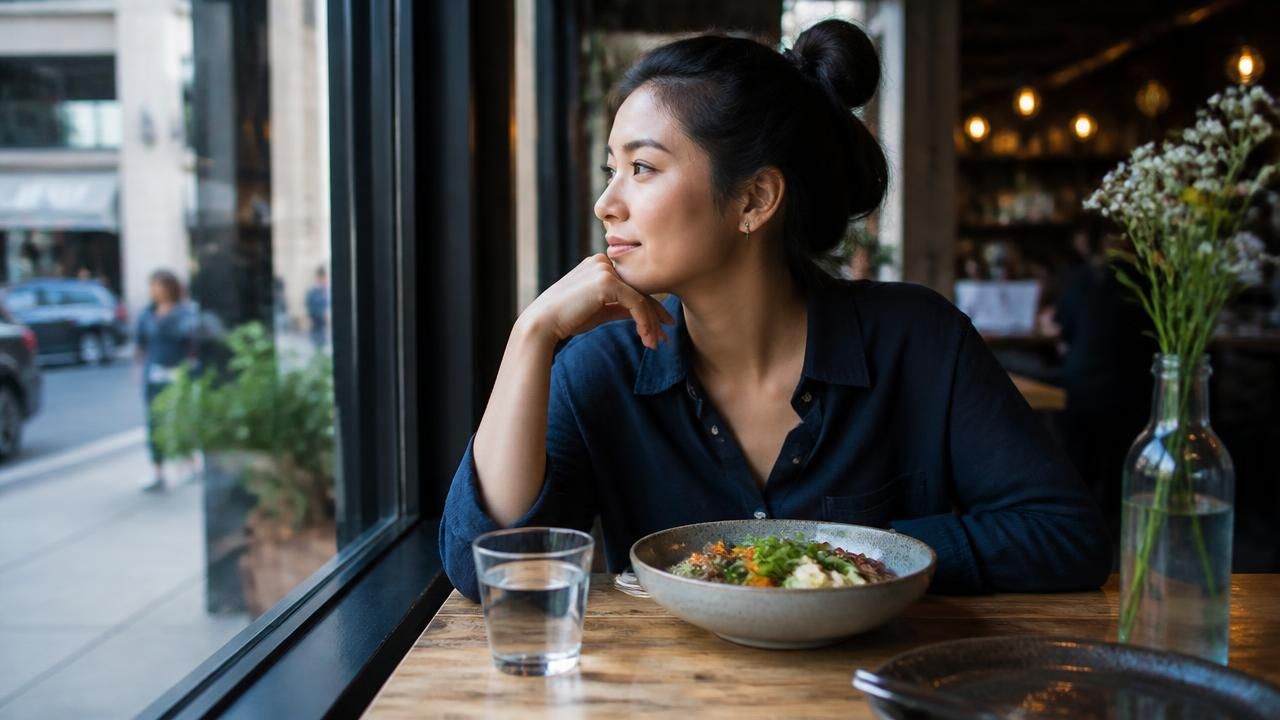
A quiet revolution is reshaping American social life. Across the country, more adults are actively choosing to remain single, embracing solo living, solo travel, and solo dining as affirmations of autonomy rather than signs of loneliness. Reports from NPR, CapRadio, MSN, and WUFT have all highlighted this trend, noting that many Americans are simply not interested in dating and see being single as a symbol of self-determination.
The phenomenon, sometimes called 'decentering romance,' is particularly pronounced among women, who are increasingly prioritizing careers, friendships, and personal growth over traditional relationship milestones. As one NPR report noted, 'Solo living, solo travel, and solo dining are all being embraced as more adults are choosing to remain single.' The story, also featured by CapRadio and WUFT, underscores a cultural shift that challenges long-held assumptions about happiness and fulfillment.
A Symbol of Autonomy
For decades, societal norms equated singlehood with incompleteness or failure. Today, however, being single is increasingly viewed as a valid, even empowering choice. 'Many Americans aren't interested in dating, and being single is a symbol of autonomy,' reported NPR, quoting a sentiment echoed across multiple platforms. This reframing is supported by data showing rising rates of single-person households and delayed marriages.
Sociologists point to several factors driving this shift: economic independence, changing gender roles, and the ubiquity of digital connection that can reduce the perceived need for a partner. 'People are realizing that a partner is not required for a fulfilling life,' said Dr. Elena Torres, a sociologist at the University of California, Berkeley, in a recent interview. 'The solo experience is being celebrated as a journey of self-discovery.'
Being single is not a waiting period. It's a lifestyle choice that offers freedom and focus.
Media Coverage and Public Reaction
The story has gained traction across news outlets, each framing it through a slightly different lens. While NPR and its member stations like CapRadio and WUFT presented the trend as a human-interest piece, MSN highlighted the gendered aspect with its headline: 'Why So Many Women Are Decentering Romance and Actively Choosing to Stay Single.' The variety of coverage suggests a growing appetite for narratives that validate non-traditional life paths.
Public reaction on social media has been mixed, with some applauding the normalization of singlehood and others expressing concern about societal isolation. However, advocates argue that solo living does not equate to loneliness. 'Solo travel and dining alone are becoming mainstream,' noted a lifestyle blogger in a recent post. 'It's about enjoying your own company.'
The Data Behind the Trend
According to the U.S. Census Bureau, the percentage of adults living alone has risen steadily, reaching nearly 30% in 2023. Meanwhile, a 2022 Pew Research Center survey found that 50% of single adults are not looking for a relationship or dates. These numbers align with the anecdotal evidence gathered by NPR and others, painting a picture of a society where singlehood is no longer a temporary state but a permanent, conscious choice for many.
Health experts note that single individuals often have stronger social networks and lower stress levels in some studies, though outcomes vary. 'The key is intentionality,' said Dr. Torres. 'Whether you're single or partnered, what matters is that the choice aligns with your values.'
Implications for the Future
The rise of chosen singlehood has ripple effects across industries. Travel companies are marketing solo tours, restaurants are designing communal tables for single diners, and real estate developers are building more studio apartments. Culturally, it signals a move toward individualism that may reshape everything from family policy to workplace scheduling.
As NPR and its partners continue to solicit stories from singles, the conversation is far from over. The question 'Are you choosing to stay single?' is no longer rhetorical—it's a reflection of a profound social transformation. For now, the answer for millions of Americans is a resounding yes.
- Single adults are increasingly content with their status, viewing it as a positive choice.
- Solo activities like dining and traveling are becoming normalized.
- Women in particular are leading the shift away from prioritizing romantic relationships.
Whether this trend continues or evolves, one thing is clear: the narrative of singlehood has changed. Autonomy, not attachment, is the new ideal.