As American drivers continue to feel the pinch at the pump, a veteran energy analyst is pointing to a surprising culprit: not the price of crude oil, but a severe bottleneck in the refining system. Paul Sankey, president of Sankey Research, warns that the ‘massive’ margins between crude and refined products like gasoline and jet fuel signal a structural problem, while the U.S. Strategic Petroleum Reserve (SPR) faces depletion by September. Meanwhile, geopolitical tensions with Saudi Arabia add another layer of complexity to the energy market.
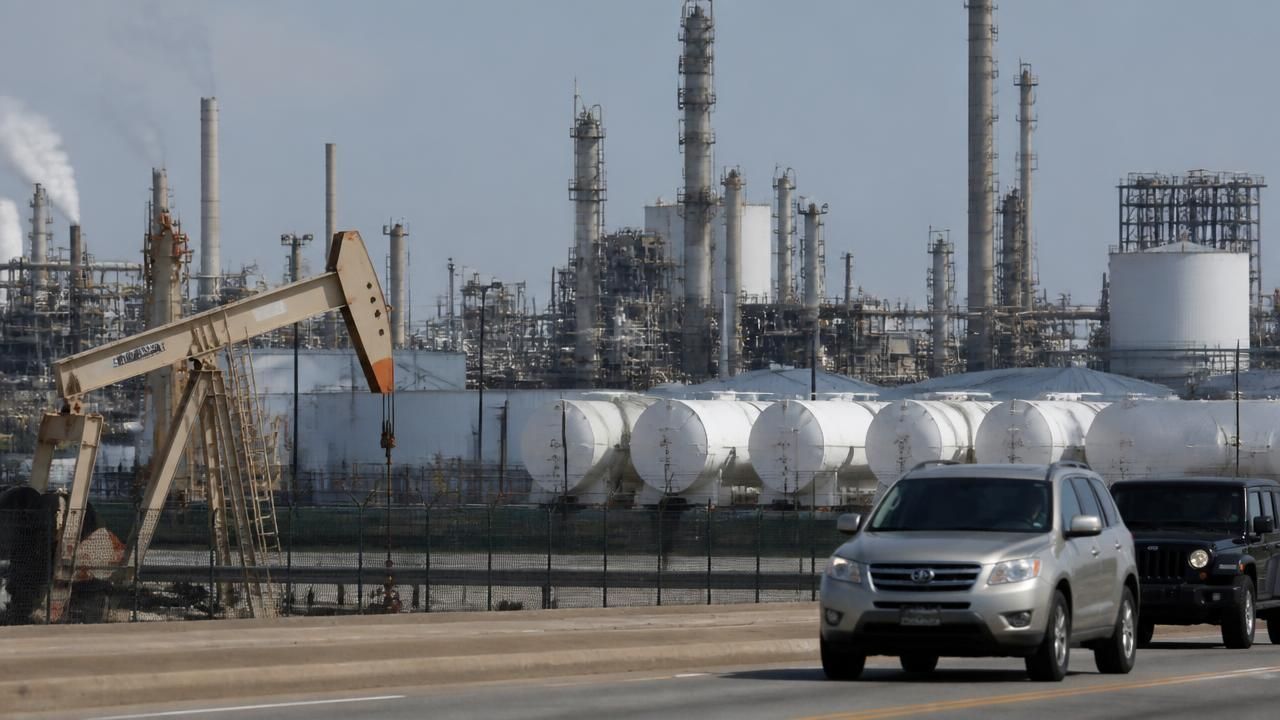
Sankey’s analysis, first reported by Bloomberg and echoed by 247wallst.com and MSN, cuts through the common narrative that high crude prices alone are to blame. ‘Crude oil is not the problem,’ Sankey asserts. Instead, he highlights the ‘tightness in the crude oil refining system’ as the key driver. The margins—the difference between the price of a barrel of oil and the products refined from it—have widened dramatically, signaling that refineries cannot keep pace with demand. This is particularly acute for gasoline and jet fuel, where post-pandemic travel surges have exacerbated capacity constraints.
The Strategic Petroleum Reserve: Running on Empty?
Sankey’s most startling forecast concerns the U.S. Strategic Petroleum Reserve, the nation’s emergency stockpile. He expects it ‘to run out around September,’ a timeline that underscores the Biden administration’s aggressive drawdowns last year to combat high gasoline prices. The SPR currently holds about 370 million barrels, down from over 600 million in 2020. While the Department of Energy has begun modest repurchases, analysts doubt they can refill quickly enough to avoid a critical low by autumn—just as hurricane season and winter heating demand ramp up. ‘If we see a supply disruption, we have very little buffer,’ Sankey warns.
Russia-Ukraine War and Refinery Closures
The refining crunch originated from a perfect storm of factors. During the pandemic, several refineries worldwide shut down permanently, with global capacity falling by about 3 million barrels per day. Then Russia’s invasion of Ukraine upended trade flows, forcing Europe to shift away from Russian crude and products. U.S. refineries, particularly on the Gulf Coast, have run at high utilization rates, but they cannot expand quickly due to environmental regulations and investor pressure to focus on low-carbon energy. ‘We’ve underinvested in refining for years,’ Sankey noted. ‘Now we’re paying the price.’
Saudi Arabia: Friend or Foe?
Adding to the complexity, relations between Washington and Riyadh have soured. Politico reports that ‘the Saudis are hurting the US oil industry’—though the full story was unavailable due to paywall restrictions. The headline suggests a tension often overlooked in the Trump era: Saudi Arabia’s OPEC+ decisions have directly squeezed U.S. refineries. In April, OPEC+ slashed production by over 1 million barrels per day, a move analysts say was partly motivated by geopolitical rivalry. Saudi Arabia, which needs high oil prices to fund its Vision 2030 projects, has shown little appetite to help ease U.S. pain. This has led to a paradox: while the U.S. is the world’s largest oil producer, its refining sector remains vulnerable to foreign policy decisions.
Impact on Consumers and the Economy
The consequences are felt at the pump. National average gasoline prices have hovered above $3.50 per gallon, with some states exceeding $5.00. Jet fuel costs have risen sharply, contributing to airline fare hikes. For the Federal Reserve, sticky energy prices complicate the fight against inflation, potentially delaying interest rate cuts. ‘If crude stays stable but refining margins stay huge, gas prices won’t fall much,’ said Sankey. ‘The SPR is a band-aid, not a cure.’
Different Perspectives: How the Media Frames the Story
The coverage reflects distinct frames. Bloomberg’s Markets focused on the technical dynamics of margins and reserve depletion, treating it as a financial story. 247wallst.com and MSN centered on Sankey’s contrarian claim that crude isn’t the problem, appealing to a consumer audience seeking explanations for high gas prices. Politico, meanwhile, injected a geopolitical and political lens, spotlighting the Saudi-US rift—a topic that rarely surfaces in mainstream energy reporting. Together, they paint a multifaceted picture of an energy system under strain from technical, economic, and diplomatic pressures.
What’s Next?
Looking ahead, Sankey sees no quick fix. Refinery capacity additions take years, and OPEC+ is unlikely to boost output. The SPR extension may be politically unpalatable but necessary if a crisis hits. ‘The only real solution is to build more refining capacity or reduce demand,’ he says. ‘Neither is easy.’ As summer driving season peaks and geopolitical risks persist, the margin between crude and gasoline may remain the central drama in energy markets.