New Zealand's southern wilderness, a vast expanse of rugged coastlines, ancient forests, and remote islands, has long captured the global imagination. Recent events, from a satellite image of Stewart Island to the heartwarming rescue of a border collie named Molly, have thrust this wild frontier back into the spotlight. But beyond the headlines lies a deeper story of conservation, adventure, and the delicate balance between human exploration and environmental preservation.
The Iconic Stewart Island/Rakiura
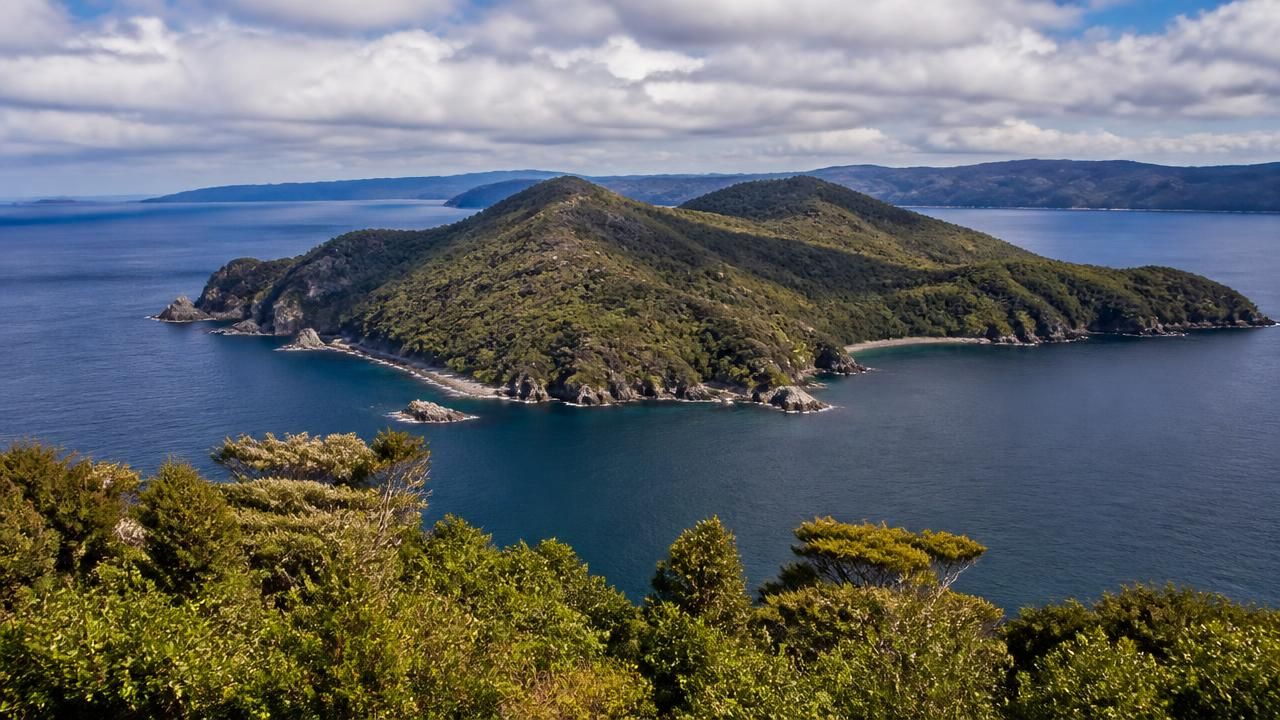
On May 14, 2026, NASA's Landsat 9 satellite captured a rare cloud-free image of Stewart Island/Rakiura, New Zealand's third-largest and southernmost inhabited island. As NASA's Earth Observatory reported, the image reveals the island's bright green, almost triangular shape, dominated by Rakiura National Park, which covers about 85 percent of the land. The island is home to the Stewart Island tokoeka, a subspecies of the Southern brown kiwi (Apteryx australis), numbering in the thousands—dwarfing the human population of approximately 500. The Māori name Rakiura, meaning “glowing skies,” reflects the island's prime location for viewing the aurora australis.
“Stewart Island is a jewel of biodiversity,” says Dr. Helen Thompson, a conservation biologist at the University of Otago. “Its isolation has allowed unique species to thrive, but it also faces threats from invasive predators and climate change.” The island's wild character is a microcosm of New Zealand's broader wilderness ethos.
Rescue in the Backcountry: Molly the Border Collie
In a story that captured global attention, a border collie named Molly was rescued after a week missing in New Zealand's remote backcountry. As reported by The Guardian, Molly stayed by her owner's side after he was injured and had to be evacuated by helicopter. The dog then wandered off and survived on her own before being found by volunteers. The New York Times highlighted the helicopter rescue effort, while NBC News noted that the incident occurred in the rugged terrain of the South Island. The bond between humans and animals in the wilderness is a recurring theme—a testament to the loyalty and resilience of both.
“Molly's story is a reminder of the profound connection between people and their pets, and the extraordinary lengths we go to for those we love,” said rescue volunteer Sarah Jenkins in an interview with Stuff.
Ancient Forests and Geological Marvels
Beneath the surface of New Zealand's wilderness lies an ancient history. BBC reported on a 180-million-year-old forest in the country, a living relic from the time of the dinosaurs. Meanwhile, a study covered by Stuff revealed that the southern landscape was formed by the largest-known landslide of its type, a cataclysmic event that shaped the terrain millennia ago. These geological features make New Zealand a natural laboratory for scientists studying Earth's past and future.
“The Southern Alps and Fiordland are not just beautiful; they are textbooks of tectonic activity,” explains geologist Dr. Mark Williams. “Every rock tells a story of collision, uplift, and erosion.” This dynamic environment also attracts adventurers from around the world seeking the ultimate test of skill and endurance.
Trails and Tourism: The West Coast Wilderness Trail
For those seeking to experience the wilderness firsthand, New Zealand offers an extensive network of trails. The West Coast Wilderness Trail, a 303-kilometer cycling route across the South Island, has been praised by Much Better Adventures and The Guardian as a perfect blend of remote beauty and accessibility. Cyclists traverse ancient rainforests, past alpine lakes, and along rugged coastlines. “It's a journey through time,” says avid cyclist Emma Carter. “You feel the pulse of the land.”
Other notable routes include the Heaphy Track, one of New Zealand's Great Walks, known for its gourmet huts and diverse landscapes, as reported by Stuff. The Hokitika Gorge Walk, a new addition, offers a sneak peek of the region's stunning turquoise waters. These trails are part of a broader effort to promote sustainable tourism while preserving the natural environment.
Conservation Challenges and Triumphs
New Zealand's wilderness is not just a playground; it is a sanctuary for endangered species. World Atlas reported on the rebound of rare parrots, such as the kākāpō and kea, thanks to intensive conservation efforts. The Auckland Islands, described by Stuff as one of the last protected wilderness areas on earth, are a haven for seabirds and sea lions. However, these ecosystems remain fragile. Invasive species, habitat loss, and climate change pose constant threats.
“The work never stops,” says conservation ranger Tane Ahipene. “We are fighting to protect what makes New Zealand unique—our wilderness heritage.” This sentiment echoes in the RNZ story of a woman raised in the wilderness who became a global adventurer, embodying the spirit of resilience and connection to the land.
The Threat from Above: Satellites and Dark Skies
An unusual threat to New Zealand's wilderness comes from above. Astronomers have warned that the pristine southern night sky—a wilderness of its own—is at risk from the proliferation of SpaceX satellites. As The Guardian reported, light pollution from satellite constellations could hinder astronomical observations and disrupt the natural nocturnal environment. This issue highlights the tension between technological progress and environmental preservation.
“We are losing our window to the cosmos,” says astronomer Dr. Hinewai Tuhura. “The southern sky, especially over areas like Stewart Island, is one of the last truly dark places on Earth.” The debate over mega-constellations is a growing concern for scientists and conservationists alike.
Conclusion: A Call for Stewardship
New Zealand's southern wilderness is a tapestry of natural wonders, human stories, and ongoing challenges. From the hauntingly beautiful Stewart Island to the brave resilience of a border collie, these narratives remind us of our deep connection to the wild. As we continue to explore and exploit these landscapes, the need for careful stewardship becomes ever more urgent. The glowing skies of Rakiura—and the lands beneath them—deserve our respect and protection.