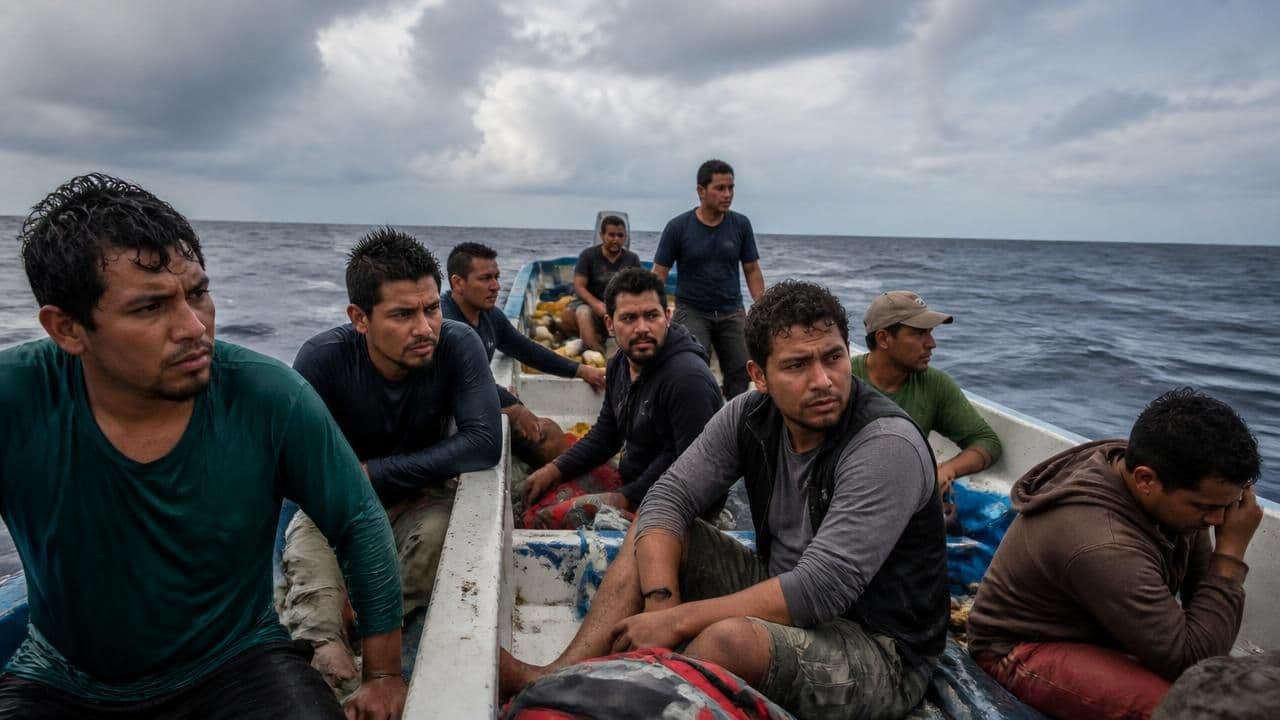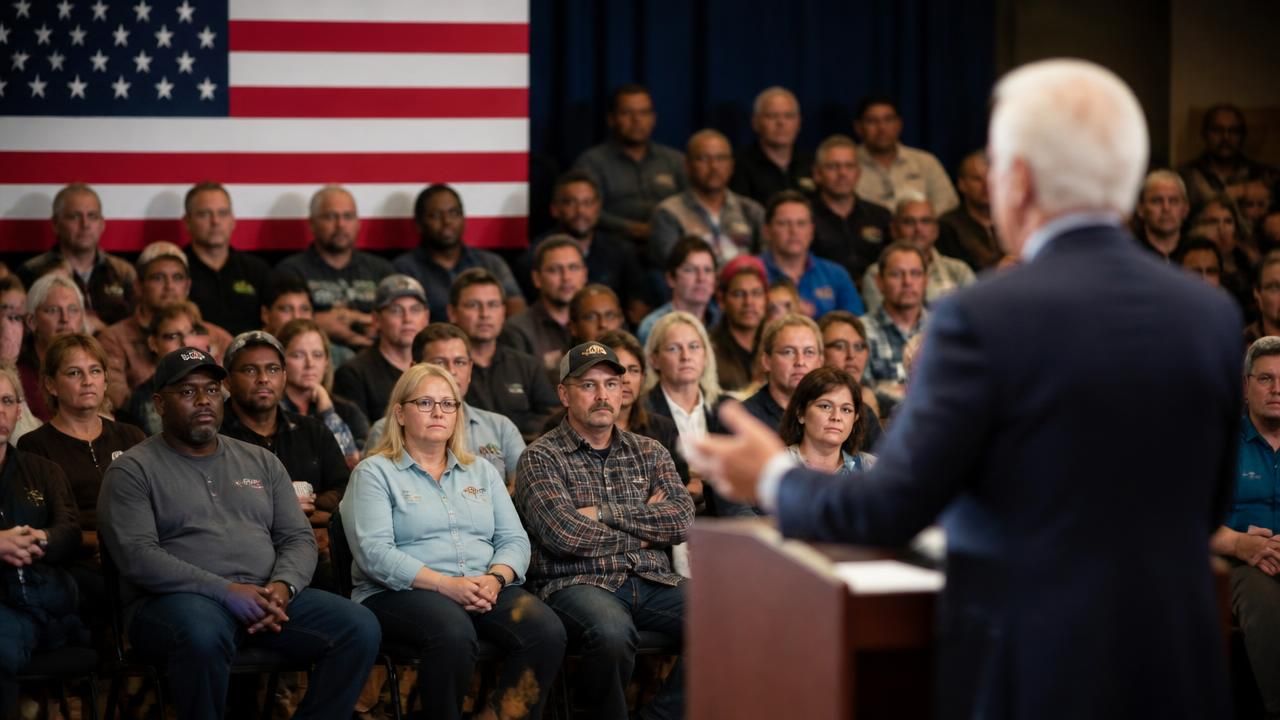
A growing body of research and commentary suggests the Democratic Party faces an existential crisis with working-class voters. From NPR's analysis of messaging failures to Politico's research on voter perceptions, a consensus emerges: Democrats must fundamentally change how they communicate and what they prioritize to win back a key constituency.
The Scale of the Problem
Working-class voters have steadily drifted from the Democratic coalition. A new report highlighted by NPR Politics warns that winning them back is key to the party's future
but requires a dramatic shift in messaging. Politico's piece, Working-class voters think Dems are 'woke' and 'weak,'
cites internal research showing that many perceive the party as out of touch—more focused on cultural issues than economic bread-and-butter concerns. USA Today's opinion column echoes this, arguing that Democrats' historic defeat shows they need to stop lecturing and start listening.
Competing Narratives on the Cause
Messaging vs. Substance
One school of thought, exemplified by NPR and Politico, suggests the problem is primarily about framing. Democrats talk too much about democracy
and institutional threats, while working-class voters care about jobs, healthcare, and cost of living. Jacobin offers a counterpoint in Climate Action Can Win Majorities,
arguing that bold progressive policies on climate and economics can actually build a broad coalition if tied to working-class interests. The Guardian's Dustin Guastella similarly advises Kamala Harris to talk more about working-class needs and less about Trump,
emphasizing material concerns over anti-Trump sentiment.
Identity and Geography
A more structural critique comes from Belt Magazine, which argues It's the geography, stupid
—the party's base is now overwhelmingly urban and college-educated, making it difficult to appeal to rural and non-college white voters. Atlantic's piece, The Democrats Aren't Built for This,
suggests the party's coalition is ill-suited for a working-class message. Meanwhile, Politico's coverage of former Republican Governor Joe Walsh's blunt comment—that working-class Trump voters forgot where they came from
—highlights the cultural chasm.
Voices from the Ground
Wikinews interviews with candidates in Texas' 6th congressional district special election, including independent Adrian Mizher and Democrat Daryl Eddings Sr., illustrate local efforts to connect. Their campaigns grapple with the same national dynamics: how to speak to economic anxiety in a polarized environment. Other Wikinews reports from the 2020 and 2024 campaign trails show the long-standing nature of this challenge.
What Democrats Must Do
The prescriptions vary. NPR's report urges Democrats to stop talking about democracy
and focus on economic populism. New York Times opinion offers a range of ideas, from embracing universal programs to reforming primary processes. Jacobin insists that a Green New Deal-style agenda can win majorities if paired with a clear anti-corporate message. Pete Buttigieg's agenda for Black voters, reported by CPR, underscores the need for targeted outreach within a broader working-class strategy.
Yet a note of caution comes from Belt Magazine: appeals to the white working class may ignore the party's diverse coalition and geographic realities. The challenge is not just message but political economy—Democrats must deliver tangible results that improve lives, not just change slogans.
Conclusion
The Democratic Party stands at a crossroads. The analysis from 15 sources—ranging from national outlets to local interviews—converges on one point: the old playbook is failing. Whether through economic populism, climate action, or a reset on cultural messaging, Democrats must find a way to speak to the working class without alienating their base. The next election cycle will test which path they choose.