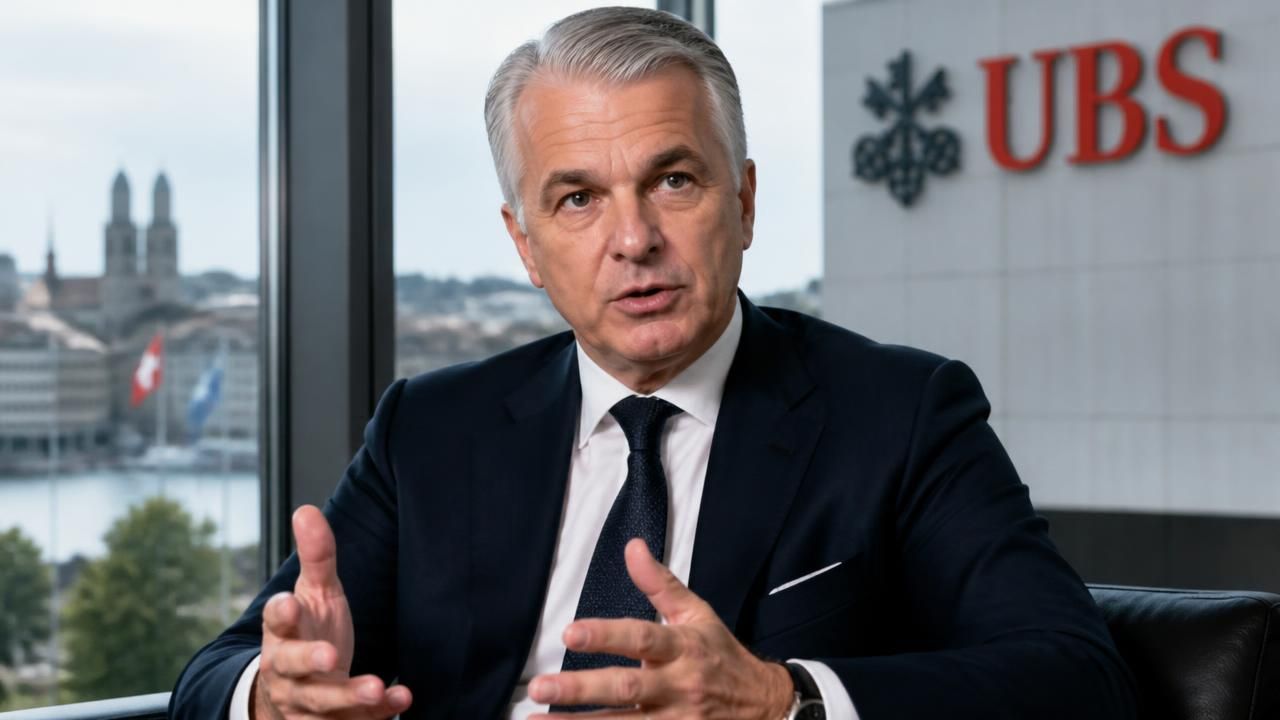
UBS Group CEO Sergio Ermotti has declared the integration of former rival Credit Suisse “almost done,” as the Swiss banking giant unveiled a $3 billion share buyback program and reported better-than-expected profits buoyed by heightened trading volatility linked to geopolitical tensions in the Middle East. In a series of interviews and earnings announcements, Ermotti also addressed succession planning, capital requirements, and the broader macroeconomic outlook, offering a comprehensive view of the bank's trajectory.
Earnings Beat and Buyback Announcement
UBS reported forecast-beating quarterly profits, driven by a surge in trading activity amid rising volatility from conflicts including the Iran war. The results, released on Tuesday, underscored the bank's ability to capitalize on market dislocations. Alongside the earnings, UBS announced a new $3 billion share buyback program set to run until mid-2027, signaling confidence in its capital position despite regulatory pressures.
“The momentum is good, though volatility may cause temporary headwinds,” Ermotti said in an interview with Bloomberg, adding that he expects “spikes of volatility” to persist for the rest of the year. (Source: Bloomberg)
Reuters highlighted that the profit beat came as trading volatility from the Iran war boosted revenue. The results exceeded analyst expectations, with net income rising significantly compared to the same period last year.
Credit Suisse Integration Nears Completion
Ermotti emphasized that the integration of Credit Suisse, which UBS acquired in a government-brokered rescue in 2023, is largely complete. “We are nearing the end of the tunnel,” he said in a Bloomberg TV interview. However, an op-ed on MSN noted that the hardest part of the merger—cultural integration and job cuts—is just beginning. UBS has already cut thousands of roles, but further cuts are expected as the bank seeks cost synergies.
Job Cuts and Operational Challenges
While Ermotti framed the integration as nearly finished, analysts point to the complexity of merging IT systems, client accounts, and corporate cultures. The op-ed on MSN argued that “the hardest part of the Credit Suisse merger begins now,” as UBS must navigate layoffs and retention of key talent. UBS has not disclosed specific new job cut targets, but sources indicate that more reductions are planned in the coming quarters.
Market Volatility and Complacency Concerns
Ermotti warned that markets are showing “some complacency” amid ongoing Middle East volatility, according to CNBC. He noted that while the bank benefits from increased client activity, the underlying risks remain elevated. “I don’t see any path of normalization,” he told Investopedia, referring to interest rates and geopolitical tensions.
“There is a disconnect between what we see on the ground and how markets are pricing risk,” Ermotti said, as reported by Investopedia. (Source: Investopedia)
The CEO also responded to questions about US tariffs and inflation, stating that these factors add to the uncertain outlook. Bloomberg reported that Ermotti discussed Trump-era tariffs and inflation as ongoing headwinds for global banks.
Succession Plans and Future Leadership
In a notable development, Ermotti revealed that he hopes to step down as CEO by 2030 and has identified succession candidates within the bank. WealthManagement.com reported that Ermotti is working on a transition plan with the board, aiming to groom internal leaders. “I will not be CEO of UBS in 2030,” he told AOL, adding that he wants to ensure a smooth handover.
This marks the first time Ermotti has publicly discussed a timeline for his departure. He took the helm again in 2023 to steer the Credit Suisse integration after previously serving as CEO from 2011 to 2020. The succession planning suggests the board is looking ahead to a post-integration era.
Capital Requirements and Regulatory Landscape
UBS continues to face heightened capital requirements from Swiss regulators, a topic Ermotti addressed. The bank has been lobbying for a more balanced approach, arguing that excessive capital demands could hurt competitiveness. Invezz noted that while the profit boost is positive, investors are watching whether capital clouds will limit future returns.
Differing Perspectives from Sources
The coverage varied in emphasis. Bloomberg focused on the buyback and Ermotti’s interview, framing the story around capital returns and volatility. Reuters highlighted the profit beat and its linkage to geopolitical tensions. CNBC’s piece was blocked due to access restrictions, but the headline indicated a focus on market complacency. Investopedia and MSN provided more critical perspectives on job cuts and succession. Meanwhile, AOL reported on Ermotti’s longer-term succession plans, while Invezz questioned the sustainability of the stock's rally.
Historical Context and Implications
UBS’s acquisition of Credit Suisse was one of the largest bank rescues in history, orchestrated by Swiss authorities to prevent a systemic collapse. Since then, UBS has been integrating operations, cutting costs, and seeking to restore investor confidence. The new buyback program signals that management believes the worst is behind them, but external risks—from war to inflation—remain.
The bank’s ability to generate profits from volatility is a double-edged sword: it boosts near-term earnings but also highlights the fragility of the global economy. Investors will be watching UBS’s next moves closely, particularly as Ermotti prepares for a leadership transition.
Looking Ahead
UBS will continue to navigate a complex environment. The buyback provides a floor for the stock, but capital requirements and geopolitical shocks could pressure margins. Ermotti’s exit timeline adds a layer of succession risk, though the identification of internal candidates may reassure markets. As one of Europe’s largest wealth managers, UBS remains a bellwether for the banking sector.