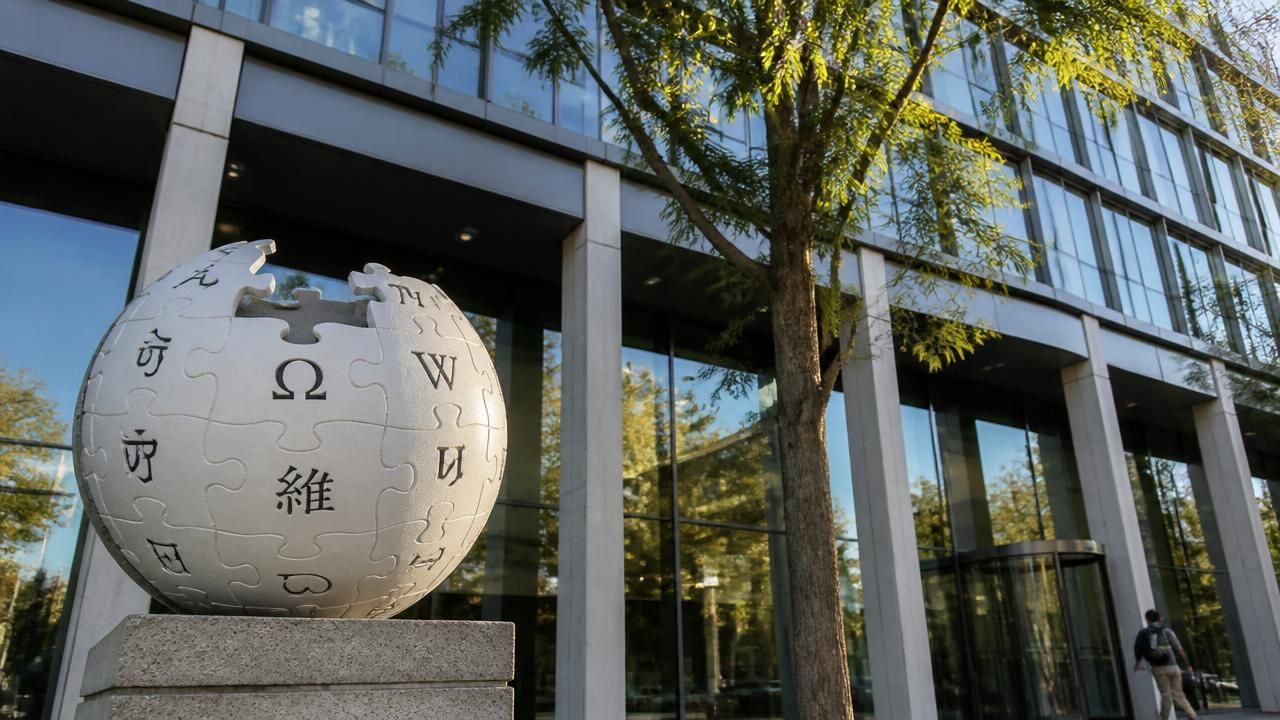
The union drive at the Wikimedia Foundation, the nonprofit organization that operates Wikipedia, is intensifying. In June, UK-based staff announced their intention to unionize, and now US employees are joining the effort. The workers, organized under Wiki Workers United and affiliated with the Communications Workers of America (CWA), have requested voluntary recognition from management, but the Foundation has declined. This refusal has sparked frustration among staff and prompted threats of a strike, drawing attention to labor tensions in the tech nonprofit sector.
The Push for Unionization
On June 24, 2024, UK staff at the Wikimedia Foundation made headlines as the first group to announce plans to form a union. Their US counterparts followed suit weeks later, signaling a coordinated effort to secure collective bargaining rights. The workers cite concerns over pay equity, transparency, and decision-making processes. In a press release quoted by The Verge, the CWA stated: "While the Wikimedia Foundation touts to the public that they plan to take a neutral stance in our organizing efforts, they have already proven that not to be the case behind the scenes."
The Foundation's rejection of voluntary recognition—a process where employers accept a union without a formal election—has been a flashpoint. Management argues that a secret ballot election overseen by the National Labor Relations Board (NLRB) is the appropriate route. However, workers view the refusal as an attempt to delay or undermine their efforts. The dispute has echoes of broader labor struggles in the tech industry, where companies like Google, Microsoft, and Amazon have faced similar organizing drives.
Strike Threats and Layoffs
While the primary source coverage focuses on the US and UK union push, additional reports from cybernews.com and paydayreport.com suggest that Wikipedia editors are threatening to strike—a potential escalation that could disrupt the encyclopedia’s operations. Unlike paid staff, Wikipedia editors are volunteers, but their solidarity with the Foundation's employees signals deep discontent. Sources indicate that the threat comes in response to recent layoffs at the Wikimedia Foundation, which have heightened job security fears. The layoffs, though not detailed in available sources, appear to have galvanized both paid and volunteer contributors.
The concept of a "strike" in the context of Wikipedia is unprecedented. While employees can withhold labor, a coordinated pause by volunteer editors could cripple content moderation and updates. Such an action would draw public attention to the Foundation's labor practices and potentially pressure management to negotiate.
Historical Context and Implications
The Wikimedia Foundation has long positioned itself as a bastion of open knowledge and democratic governance. However, internal tensions have simmered for years. In 2021, the Foundation faced criticism over its handling of the "Wikimedia 2030" strategy, which included centralizing decisions away from local communities. The union drive is the latest chapter in a story of growing pains as the organization evolves from a small nonprofit to a global platform with over 700 employees and a budget exceeding $150 million.
Experts note that the outcome of this labor dispute could set a precedent for other nonprofit organizations. Unlike for-profit tech giants, nonprofits often rely on a narrative of mission-driven work to attract talent, but this can mask underlying labor issues. "The Wikimedia Foundation is not immune to the dynamics that drive unionization elsewhere," says labor historian Dr. Jane Morrison. "Workers want a say in how their labor is valued and how the organization is run, especially when its public-facing ethos emphasizes collaboration and transparency."
Different Framings
The Verge's coverage emphasizes the Foundation's refusal to voluntarily recognize the union, framing it as a betrayal of its stated neutrality. Meanwhile, cybernews.com and paydayreport.com highlight the strike threat and layoffs, painting a picture of a workforce in rebellion. Notably, a fourth source from eurasiareview.com appears to be unrelated, covering European security—though it may have been mistakenly grouped. This disjointed sourcing underscores the challenge of consolidating news, but the core narrative remains clear: Wikimedia staff and volunteers are mobilizing for change.
What’s Next?
The union drive is still in its early stages. If the Foundation continues to resist voluntary recognition, workers may pursue an NLRB election—a process that can take months. The strike threat, while not yet realized, adds urgency. For now, the Foundation has issued a statement saying it "respects employees' rights to organize" and is committed to a "fair process." However, actions speak louder than words, and staff are watching closely. The coming weeks will determine whether Wikipedia can live up to its ideal of democratic participation—not just in its content, but in its workplace.