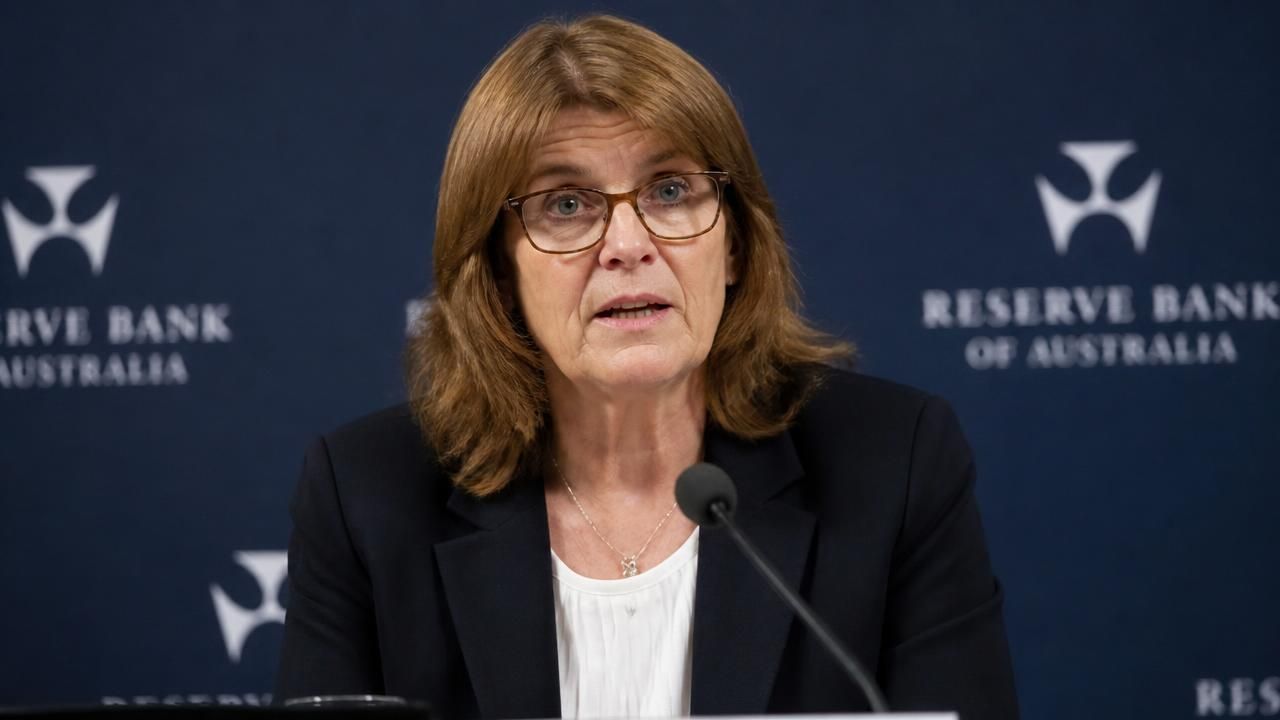
The Reserve Bank of Australia (RBA) held its official cash rate steady at 4.35% on Tuesday, as widely expected, but Governor Michele Bullock delivered a hawkish message, warning that the battle against inflation is far from won and that further rate increases remain on the table. The decision comes amid signs of a cooling economy, yet persistent underlying inflation is dampening hopes of an imminent easing cycle.
Decision and Rationale
The RBA board opted to keep rates unchanged for a third consecutive meeting, a move that aligns with market expectations and the central bank's cautious approach. According to Bloomberg, Bullock stated that “the economy is adjusting as anticipated,” but she remained uncertain whether the current level of rates is sufficient to return inflation to the 2–3% target band. “It’s still unclear if this year’s interest-rate hikes are enough to return inflation to target or whether additional tightening will be needed,” Bullock said, as reported by Bloomberg Markets.
The Guardian and ABC News both highlighted that the RBA's statement softened language slightly, acknowledging a “welcome” decline in headline inflation but stressing that services inflation remains elevated and the labour market is still tight. ABC noted that the board judged it “appropriate” to hold steady in light of economic uncertainty, but added that “it will be some time before inflation is sustainably within the target range.”
Underlying Inflation a Key Concern
While headline inflation dipped to 4.0% in the latest quarter (down from 4.1%), underlying measures—such as trimmed mean and weighted median—remained sticky above 4.5%. Forbes reported that the moderation in headline figures offered little comfort, as “underlying price pressures dampen celebrations.” Realestate.com.au echoed this, warning that underlying inflation crept towards a two-year high, making another hike a distinct possibility.
Capital Brief, which had previewed a likely rate rise, noted that the decision to hold was a surprise to some analysts who expected a 25-basis-point increase due to stubborn services inflation. However, the RBA’s forward guidance kept the door ajar for future tightening.
Economy Cooling but Resilient
The Australian economy is showing clear signs of slowing, with GDP growth moderating and consumer spending weakening. ABC News reported that the RBA’s decision reflected a balancing act between curbing inflation and avoiding a sharp downturn. “The economy is cooling as expected,” Bullock told reporters, adding that the full impact of previous rate rises is still feeding through.
Yet, the labour market remains unusually tight, with the unemployment rate hovering near 50-year lows. This has kept upward pressure on wages, complicating the inflation outlook. The Guardian’s Nicki Hutley, in an opinion piece, criticized the RBA for asking households to show restraint while the bank itself lacked credibility. Hutley argued that the RBA’s communication has been erratic, eroding public trust.
Different Perspectives Among Sources
The news coverage varied in tone and emphasis. Bloomberg and ABC focused on Bullock’s uncertainty and the possibility of further hikes. The Guardian and Reuters (though Reuters had a contradictory headline about rate cuts, which appears incorrect) emphasized the hold and the battle ahead. Financial news outlets like Forbes and Capital Brief highlighted the inflation data as the key driver. Realestate.com.au zeroed in on the impact on households, warning that mortgage holders should brace for potential further pain.
A notable divergence came from Reuters, which initially reported that the RBA “cuts rates, open to more easing”—a claim that contradicts all other sources. This appears to be an error or outdated test content, as the RBA has not cut rates since the pandemic. The consensus across credible sources is that rates are on hold, with a tightening bias.
What’s Next for Borrowers and the Economy
Governor Bullock made clear that the RBA is not ready to cut rates anytime soon. “There’s no strong evidence to cut rates yet,” she said, as quoted by ABC. The RBA’s central forecast sees inflation returning to the target band by late 2025, but risks remain skewed to the upside. If underlying price pressures fail to ease, another hike could come as early as the next board meeting in August.
For Australian households, this means mortgage stress is likely to persist. Realestate.com.au reported that the hold offers little relief, with many borrowers already struggling with higher repayments. The RBA’s hawkish stance reinforces the message that interest rates will remain elevated for an extended period.
Historical and Global Context
The RBA’s tightening cycle, which began in May 2022, has seen rates surge from a record low of 0.1% to 4.35%—the fastest pace of hikes in decades. This mirrors global trends, with central banks like the US Federal Reserve also pausing but maintaining a hawkish tone. However, the RBA faces a unique challenge due to Australia’s high variable-rate mortgage exposure, making monetary policy transmission more direct.
Economists remain divided. Some, like those at Capital Brief, see a high chance of a final hike later this year. Others, including many in the market, believe rates have peaked. The RBA’s next move will hinge on upcoming data, particularly the quarterly inflation report due in July.
Conclusion
The RBA’s decision to hold at 4.35% was a cautious pause, not a pivot. Governor Bullock’s warning that the inflation war “isn’t yet won” underscores the central bank’s determination to see the job through. With the economy slowing but inflation still elevated, Australia’s borrowers face an uncertain road ahead. The jury is indeed out on what comes next, but one thing is clear: rate cuts are not imminent.