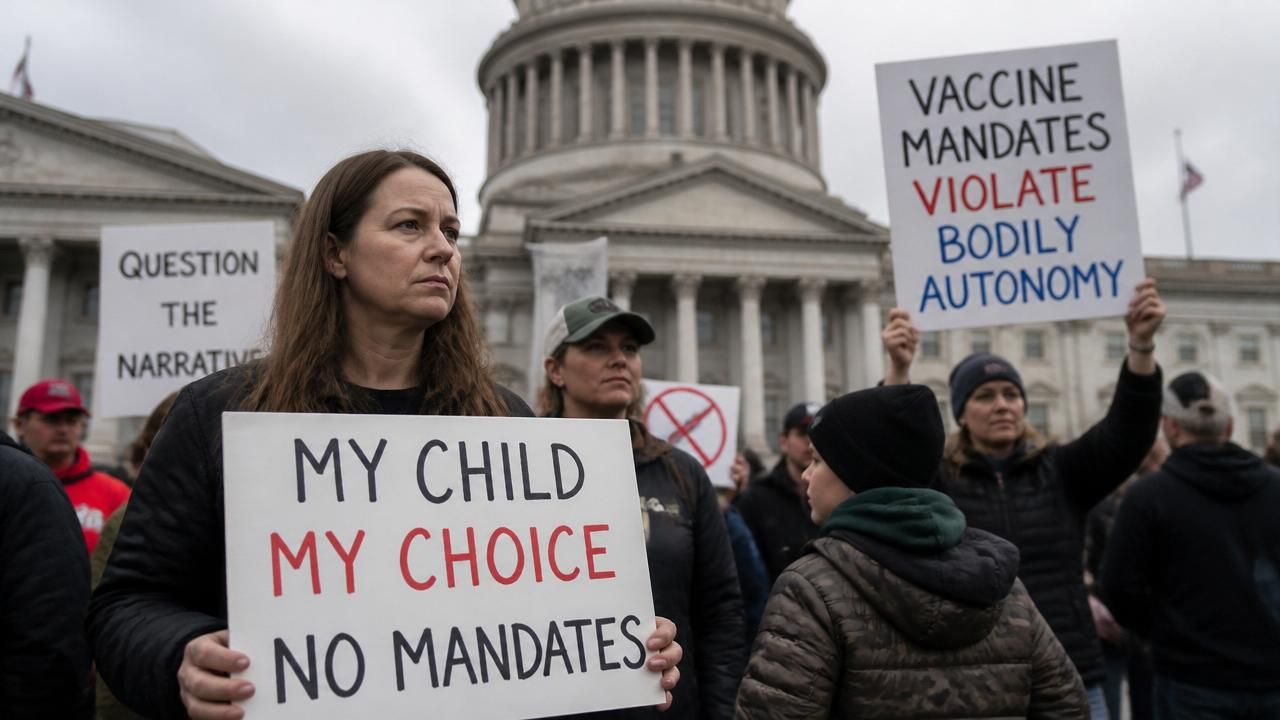
Vaccines have long been hailed as one of the greatest public health achievements, but they have also sparked persistent opposition. Today, that opposition is more organized and influential than ever, fueled by social media, political figures, and a deep-seated distrust of institutions. A confluence of recent events—from the FDA's refusal to consider a Moderna flu shot to a controversial unpublished study at Henry Ford—highlights the escalating battle over vaccine science and policy.
A Movement with Deep Roots
The anti-vaccine movement is not new. As Ars Technica notes, resistance dates back to 19th-century England, where riots erupted against mandatory smallpox vaccination on grounds of civil liberties. In the U.S., the Anti-Compulsory Vaccination League of Brooklyn formed in 1894. Today, vaccine hesitancy has evolved into a sophisticated campaign, often associated with the Make America Healthy Again movement and its standard-bearer, Health and Human Services Secretary Robert F. Kennedy Jr. RFK Jr. has repeatedly questioned vaccine safety, even calling for retractions of studies that affirm their efficacy. The Guardian reports that a US medical journal rejected his demand to retract a vaccine study, underscoring the tension between evidence and ideology.
Government Actions Under Scrutiny
Recent moves by U.S. health agencies have alarmed many experts. In a decision critics call part of an 'anti-vaccine agenda,' the FDA refused to consider Moderna's flu shot, according to The Guardian. Simultaneously, Japan Today reports that U.S. health officials stopped the publication of a study on COVID-19 vaccine effectiveness, raising questions about transparency. These actions come amid a broader debate about vaccine safety, with a hearing on an unpublished Henry Ford study becoming a focal point. The Guardian describes the hearing as 'rinse and repeat,' recycling the same myths that have been debunked time and again.
The Henry Ford Study Controversy
An unpublished study from Henry Ford Health System has become a lightning rod. The Detroit Free Press reports that the study is at the center of the vaccine safety debate, though details remain under wraps. Critics argue that its release without peer review could spread misinformation. The study's existence has been used by anti-vaccine advocates to cast doubt on vaccine safety, despite lack of conclusive findings.
Doctors Under Siege
Healthcare workers are bearing the brunt of rising hostility. The Los Angeles Times reports that anti-vaccine activists have 'terrorized' doctors into silence with online harassment, while another piece describes how anti-vaccine patients vent anger on healthcare workers, taking a toll on care. A pediatrician faces the dilemma of whether to dismiss unvaccinated patients from their practice, a question that pits ethical obligations against community health. NBC News highlights a mother who became an anti-vaccination star after her baby died—but vaccines were not the cause. These stories reveal the human cost of the movement.
The Role of Misinformation
Misinformation spreads rapidly online. A Nature study examines the competition between pro- and anti-vaccination views on the internet, showing that false narratives often gain traction. The WHO emphasizes the need to 'immunize the public against misinformation,' while Frontiers in Public Health explores lessons from Reddit for the next pandemic. Simon Fraser University research suggests vaccine gaps are rooted in structural forces, not just personal choices. Effective communication requires storytelling, as multiple sources note: 'Public health needs better stories, not fewer facts' (NYAS), and storytelling can help parents decide to vaccinate against HPV (Drexel).
Global Perspectives and Ethical Concerns
The anti-vaccine movement is global. A visual history from Coda Story traces its international reach, while the RACGP lists the top 10 global health stories of 2025, including vaccine hesitancy. The Guardian reports a US plan for a $1.6m hepatitis B vaccine study in Africa has been called 'highly unethical,' echoing past abuses like the Tuskegee syphilis study (PBS). Meanwhile, a teen in the U.S. defied his parents to get vaccinated, illustrating the personal struggles within families.
Looking Ahead: Strategies for Rebuilding Trust
Experts agree that combating vaccine hesitancy requires more than facts. As Science.org notes, only 50% of Americans plan to get a COVID-19 vaccine, and winning over the rest demands empathy and community engagement. The WHO's vaccination history reminds us that vaccines are a cornerstone of modern medicine. However, with movements like MAHA gaining influence and aluminum salts emerging as a new target of scrutiny (NBC News), the path forward is fraught.
"We need to counter the 'wrong story' with narratives that resonate. Participatory action research with First Nations leaders in Australia shows that culturally tailored videos can enhance vaccine uptake," writes a Nature study.
The lessons from the pandemic are clear: misinformation cost lives. As the nation grapples with its next steps, the divide over vaccines remains one of the most pressing public health challenges of our time.