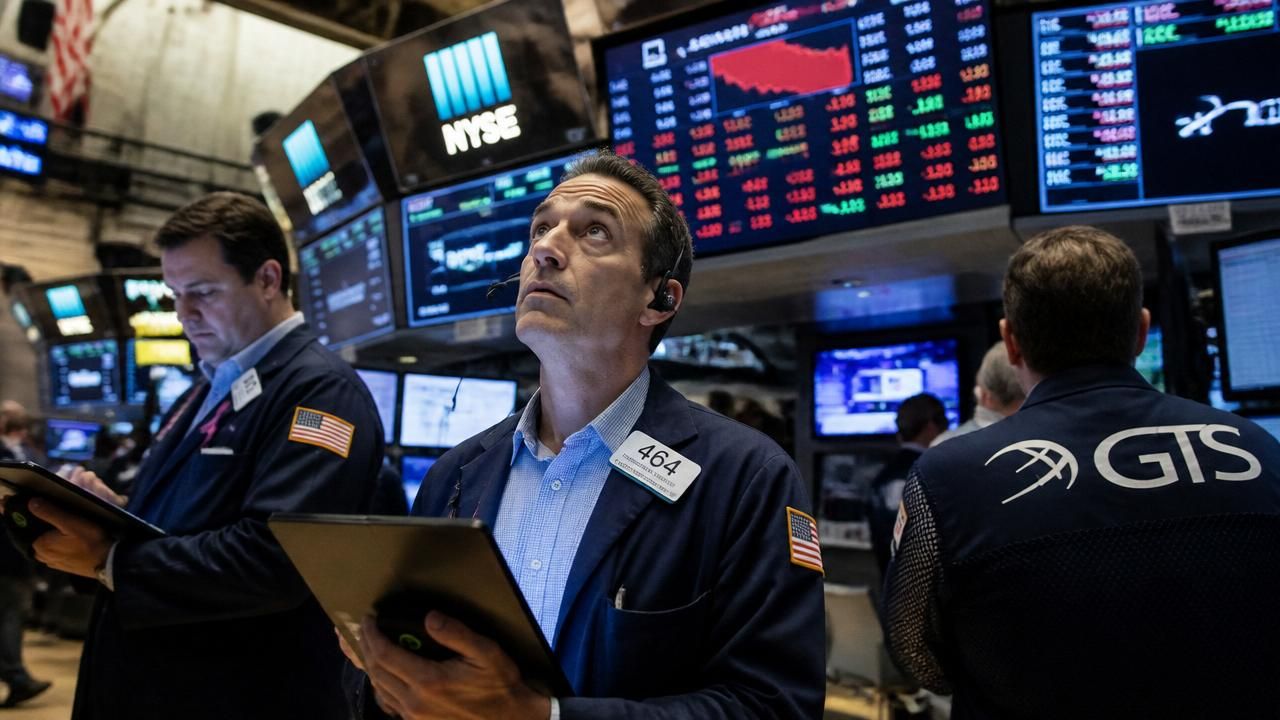
Global financial markets experienced a dramatic week of whipsaw movements, driven by rapidly shifting geopolitical dynamics between the United States and Iran, volatile oil prices, and a packed calendar of earnings and central bank decisions. The Dow Jones Industrial Average swung by hundreds of points on multiple days, while oil prices briefly surged past $100 a barrel before tumbling on news of a potential truce, only to rebound again as tensions flared.
Relief Rally on Diplomatic Hopes
The week began on a positive note after reports emerged that President Donald Trump had signaled talks with Iran, sparking a sharp drop in oil prices and igniting a relief rally across stocks and bonds. According to Bloomberg, a "sharp drop in oil prices triggered a relief rally in stocks and bonds after a lull in hostilities in the Middle East." The Dow leaped 850 points in one session, with the S&P 500 and Nasdaq notching third straight records as US-Iran diplomacy gained steam, according to Yahoo Finance headlines. The rally was broad-based, with technology shares leading gains on hopes that lower energy costs would ease inflationary pressures. The DAX index in Germany jumped over 1% to a three-week high, led by SAP, while the ASX 200 in Australia edged higher on peace optimism.“The market is breathing a sigh of relief that a full-scale conflict may be avoided,” said a senior market strategist at a major bank. “Lower oil prices are like a tax cut for consumers and corporations.”
However, the rally proved fragile. Treasury yields initially fell as bonds rallied, but quickly reversed course as investors refocused on the Federal Reserve’s interest rate stance. Reuters reported that “stocks dip, Treasury yields jump as oil pushes higher,” reflecting the tug-of-war between geopolitical relief and economic fundamentals.
Oil’s Wild Ride
Oil prices were the epicenter of market turmoil. West Texas Intermediate crude surged to its highest levels since 2024, briefly topping $100 a barrel on Iran war worries, according to Yahoo Finance. The spike came after a series of escalations, including missile strikes and the closure of the Strait of Hormuz. But prices plunged dramatically when reports emerged of a US-Iran ceasefire or truce, with oil tumbling the most in years in a single session. Bloomberg’s headline read, “Stocks Gain as US-Iran Truce Deal Spurs Oil Plunge.”
The volatility extended beyond equities. Bond markets also swung wildly, with UK gilt yields remaining the highest in the G7 even as stocks rallied, as noted by This is Money. Investors fretted that spiking oil prices and rising yields could threaten the stock rally, as Reuters warned in a separate piece. The bond market’s reluctance to bounce back to pre-war levels signaled lingering concerns about inflation and central bank tightening.
Earnings and AI Sentiment Add to the Mix
Amid the geopolitical noise, corporate earnings and tech sentiment played a crucial role. Morgan Stanley’s chief US equity strategist, Mike Wilson, highlighted that AI adoption is key to profit outlook, according to Yahoo Finance. However, some earnings reports sparked fears of excessive AI spending. Alphabet and Tesla earnings triggered a sell-off in the Dow, which sank more than 500 points on Thursday, as reported by IBTimes Australia. The "AI scare trade" weighed on the Nasdaq, even as the broader market recovered later in the week.
Central Bank Decisions and Inflation Concerns
A stack of interest-rate decisions from major central banks added to the uncertainty. The European Central Bank, Bank of England, and Federal Reserve all faced the challenge of balancing inflation control against slowing growth. Hot inflation prints in the US sent the Dow lower, while a surprise dip in inflation elsewhere boosted some markets. Bank stocks gained ground as markets digested the Credit Suisse rescue, but the overall sentiment remained cautious.
Different Frames, Same Story
Different outlets framed the narrative through distinct lenses. Bloomberg emphasized the relief rally and oil plunge, while Reuters focused on the risks of spiking oil and rising yields. Yahoo Finance’s headlines oscillated between “Dow jumps 600 points” and “Dow drops 800 points,” reflecting the day-to-day volatility. Morningstar noted that stock markets resumed their rise but risks persist, a theme echoed by many analysts. The ASX 200 slipped marginally after a rally, as investors paused, while the DAX jumped on SAP-led gains. The common thread was the dominance of geopolitical risk and its transmission through oil prices to every corner of global markets.
Outlook: Fragile Stability
As the week drew to a close, markets seemed to have priced in a temporary détente, but the underlying tensions remained. The price of oil, still elevated compared to pre-crisis levels, continues to fuel inflation worries. Morgan Stanley’s Wilson warned that profit outlooks depend on AI adoption, but also that the macro environment remains challenging. With earnings season ongoing and central bank meetings ahead, investors face a delicate balancing act. As one Bloomberg analyst put it, "The relief rally may be real, but it’s built on a foundation of sand."
For now, the market’s attention remains firmly fixed on the Middle East and the next twist in the US-Iran saga – a story that has already delivered some of the most dramatic trading days in recent memory.