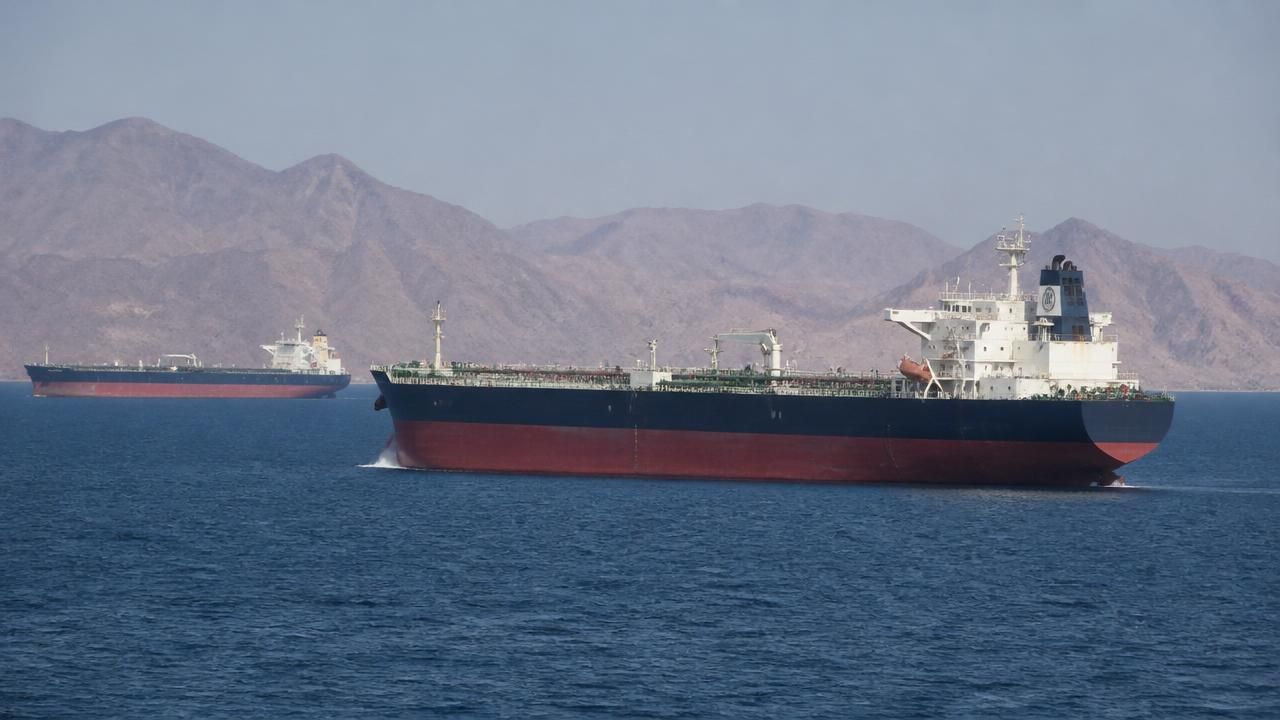
A dramatic escalation in the Red Sea is sending shockwaves through global energy markets as multiple supertankers carrying Saudi crude have been forced to reverse course after Houthi militants claimed attacks and declared a maritime embargo on Saudi-linked vessels. The incidents, occurring near the Bab el-Mandeb strait—a critical chokepoint for global oil shipments—have prompted the Saudi-led coalition to strike Houthi targets in retaliation, while oil prices have tumbled amid fears of prolonged disruption.
Who, What, When, Where, and How
On [date], a Hong Kong-flagged supertanker bound for Saudi Arabia's Red Sea port of Yanbu executed a sharp U-turn just before reaching the Bab el-Mandeb chokepoint, according to Bloomberg Markets. The vessel was one of at least three tankers carrying Saudi crude that turned around after Houthi forces—the Iran-backed rebel group controlling much of Yemen—launched missile and drone attacks on two Saudi oil tankers, as reported by Gulf News. The Houthis claimed responsibility, stating they targeted the vessels as part of an ongoing blockade against Saudi Arabia, a key member of the coalition fighting the group since 2015.
The Saudi-led coalition responded swiftly, striking Houthi military positions in Yemen, per inkl.com. Meanwhile, the Financial Times noted that oil prices dropped nearly 6% as two China-bound supertankers successfully crossed the Strait of Hormuz, but the Red Sea disruptions have left an estimated 2.7 million barrels of Saudi crude stranded at sea, according to houseofsaud.com.
Differing Perspectives from Sources
The narrative varies across outlets. Bloomberg Markets focuses on the financial implications, framing the U-turn as a market signal. The New York Post emphasizes the geopolitical threat, calling it a “proxy” action by Iran. 19FortyFive highlights the psychological victory for the Houthis, noting they achieved their goal “without firing a single shot.” Gulf News provides the Houthi claim of direct strikes, while the Saudi-led coalition’s response is detailed by inkl.com. The Financial Times and MSN offer broader market context, linking the Red Sea events to oil price volatility. All sources agree on the core fact: significant disruption is underway.
Historical Context and Geopolitical Significance
The Bab el-Mandeb strait, connecting the Red Sea to the Gulf of Aden, is one of the world’s most vital chokepoints, handling about 7 million barrels of oil per day, according to the U.S. Energy Information Administration. The Houthis have long threatened this route, but recent attacks mark an escalation. Since the Saudi-led coalition intervened in Yemen’s civil war in 2015, the Houthis have periodically targeted Saudi infrastructure, including oil facilities. However, this is the first time they have directly threatened tankers at sea with a declared embargo, raising the stakes for global energy security.
“This is a new front in the Red Sea,” said a security analyst quoted by 19FortyFive. “The Houthis are demonstrating that they can disrupt a key global trade artery without even firing a shot, simply by creating enough fear.”
Market Reactions and Expert Views
Oil markets reacted sharply. Brent crude fell nearly 6% on the day of the reports, according to the Financial Times, though it later recovered some losses. Analysts attribute the drop to fears of a supply glut if tankers are forced to take longer routes around Africa, increasing costs and delays. “We could see a second chokepoint crisis if this persists,” warned an analyst from 24/7 Wall St., referencing the ongoing tensions in the Strait of Hormuz. “The Red Sea is now a flashpoint.”
- Three supertankers carrying Saudi crude turned around near Bab el-Mandeb.
- Houthis claim missile and drone strikes on two Saudi oil tankers.
- Saudi-led coalition strikes Houthi targets in retaliation.
- Oil prices drop nearly 6% amid uncertainty.
- 2.7 million barrels of Saudi crude stranded at sea.
Implications for Global Energy and Shipping
The incident has broader implications. Shipping companies may now reconsider routes through the Red Sea, potentially diverting around the Cape of Good Hope—adding days and millions of dollars in costs. Insurance premiums for vessels in the region are likely to spike. For Saudi Arabia, the disruption threatens its ability to export crude from its western ports, including Yanbu, which serves as a key outlet for oil not dependent on the Persian Gulf. The Houthi blockade, if sustained, could squeeze Saudi revenues and exacerbate global supply tightness, especially as OPEC+ already struggles with capacity constraints.
What’s Next?
The Saudi-led coalition’s airstrikes may deter further attacks, but the Houthis have proven resilient. Diplomatic efforts to end the Yemen war have stalled, and the group’s patron, Iran, has shown no signs of reining them in. For now, the world watches the Red Sea, bracing for potential escalation that could reshape global oil flows and test the limits of energy market resilience.