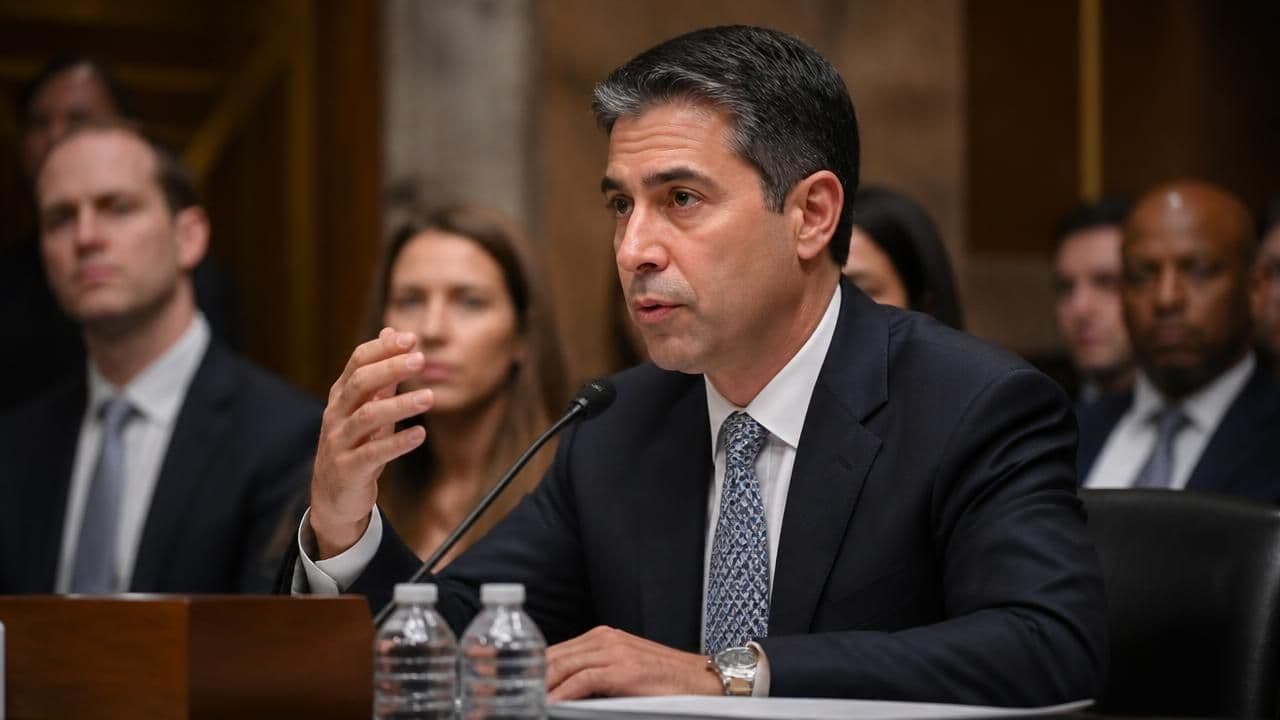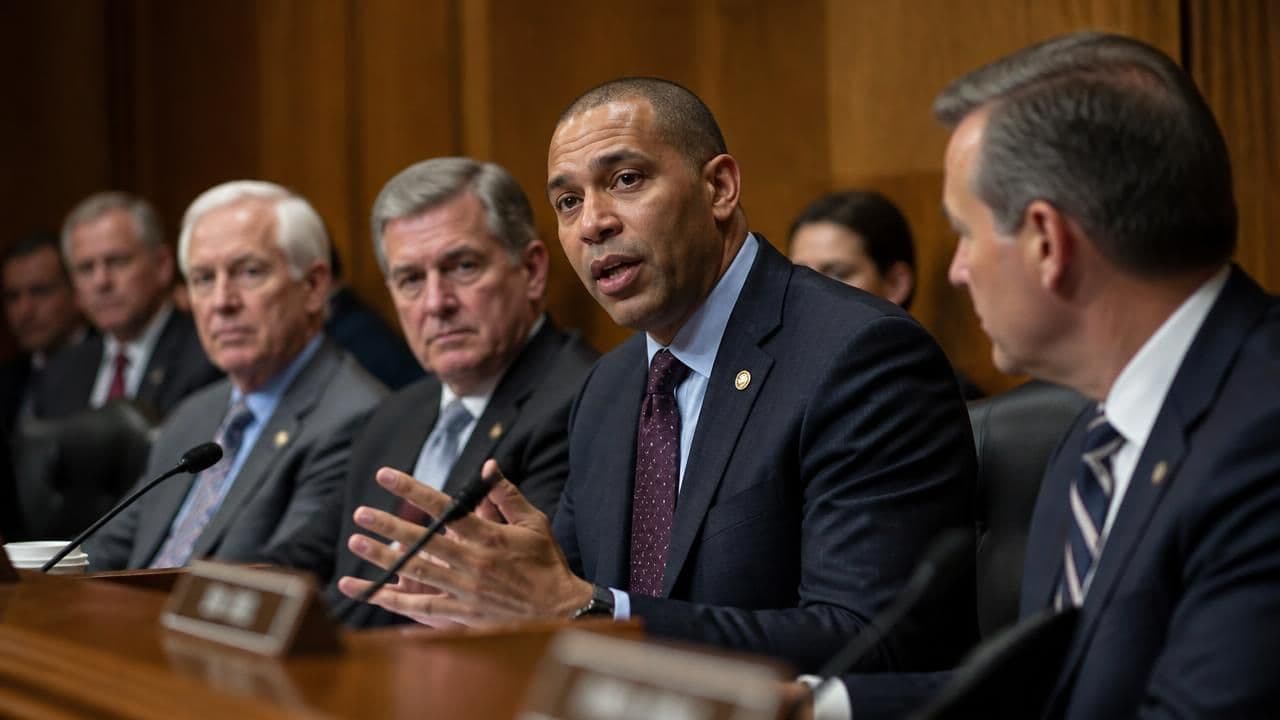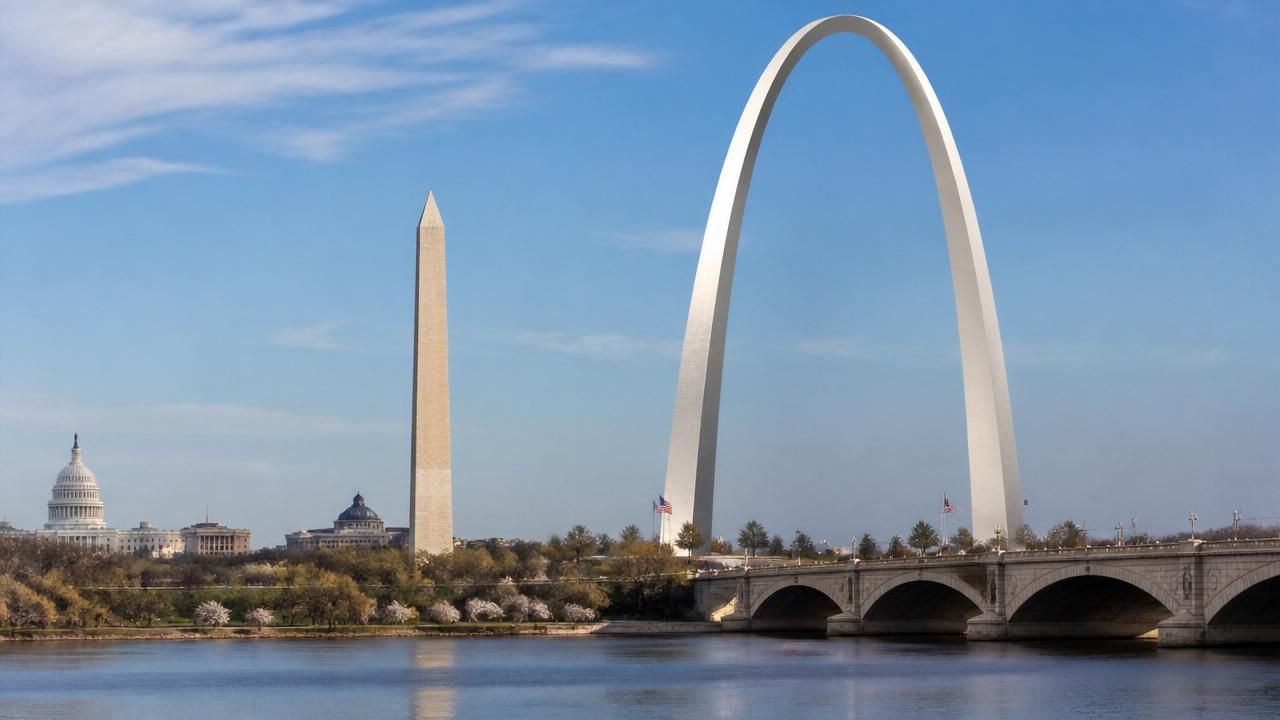
In a move critics say could fundamentally alter the landscape of American historic preservation, a federal council packed with Trump appointees is poised to rewrite the rules governing the review of projects affecting historic sites. The changes, which could expedite construction of former President Donald Trump’s proposed D.C. arch and other developments, have sparked alarm among preservationists, historians, and environmental advocates who warn of a broader erosion of protections for the nation’s cultural heritage.
Who, What, When, Where, Why
The Advisory Council on Historic Preservation (ACHP), an independent federal agency, is at the center of the controversy. According to reports from NPR and CBS News, the council—now dominated by Trump appointees—is moving to gut the Section 106 review process, a key provision of the National Historic Preservation Act that requires federal agencies to consider the impact of their projects on historic properties. The proposed changes would streamline approvals, making it easier for projects like Trump’s proposed 1,000-foot-tall arch in Washington, D.C., to proceed without extensive review. The New York Times frames this as part of a broader push by Trump allies to dismantle climate and environmental regulations, with historic preservation caught in the crosshairs.
“A council packed with Trump appointees is poised to rewrite historic preservation rules. Critics say that could help him build his D.C. arch faster — and endanger important sites across the country,” reported NPR.
The timing is critical: the ACHP is expected to vote on the new rules in the coming weeks, with potential implementation by early next year. The changes would apply not just to federal projects but also to those receiving federal funding or permits, affecting historic sites from battlefields and tribal lands to urban districts and rural landmarks.
Differing Perspectives
While NPR and CBS emphasize the threat to historic sites, the New York Times places the move in the context of a larger assault on climate regulations. “Trump Allies Near ‘Total Victory’ in Wiping Out U.S. Climate Regulation,” the Times headline reads, linking the preservation council’s actions to efforts to roll back environmental protections. The overlap is significant: many historic sites are also vulnerable to climate change, and weakening preservation rules could accelerate development in sensitive areas.
Other sources, such as Boise State Public Radio, echo NPR’s concerns, noting that the changes could have far-reaching consequences beyond Washington, D.C. “Trump allies are poised to weaken protections for historic sites — not just in D.C.,” the station reported, highlighting the national scope of the issue. Meanwhile, KNPR’s coverage, though focused on unrelated topics, underscores the diversity of stories competing for attention, but the preservation story remains a key political flashpoint.
Historical Context
The National Historic Preservation Act, signed into law in 1966, was a response to the destruction of historic neighborhoods and landmarks during post-war urban renewal. The Section 106 review process has been a cornerstone of preservation, requiring federal agencies to consult with state and tribal historic preservation offices, as well as the public, before undertaking projects. Over the decades, it has been used to protect sites like the Gettysburg battlefield, Native American burial grounds, and historic downtowns. Critics of the current system argue it is too cumbersome and delays necessary infrastructure projects, a view Trump has echoed.
Trump’s interest in the D.C. arch is well-documented. The proposed monument, which would be taller than the Washington Monument, has faced opposition from local officials and preservationists who argue it would disrupt the historic character of the National Mall. The ACHP’s rule changes could remove a key hurdle, allowing the project to proceed with minimal oversight.
Data Points and Expert Views
According to the National Trust for Historic Preservation, the Section 106 process reviews over 30,000 projects annually, with the vast majority approved without controversy. However, the process has been instrumental in mitigating damage to historic properties. “Weakening these protections would be a disaster for our nation’s heritage,” said a spokesperson for the Trust. “It would open the door to unchecked development on historic sites across the country.”
Legal experts note that the ACHP’s composition is a key factor. Under the Trump administration, the council was stacked with appointees sympathetic to deregulation. While the Biden administration has attempted to rebalance it, the current makeup still reflects Trump-era appointments. “The council is acting as a vehicle for Trump’s agenda, even after he left office,” said a former ACHP staffer who spoke on condition of anonymity.
Implications
The implications of the rule changes extend beyond historic preservation. By reducing federal oversight, the new rules could also undermine environmental reviews, as many projects trigger both historic and environmental impact assessments. Climate advocates warn that this could accelerate development in ecologically sensitive areas, from coastlines to forests. Moreover, the changes could set a precedent for other agencies to weaken regulations, further eroding the regulatory state.
For now, preservationists are mobilizing. Public comment periods and potential legal challenges are expected. But with a sympathetic council and a potential second Trump term on the horizon, the battle over America’s historic sites is far from over. As one NPR analyst put it, “This is not just about an arch in D.C. It’s about the future of how we protect our past.”