Framework, the modular laptop company known for its repairable and upgradeable designs, has announced a dramatic pricing update for its upcoming Laptop 13 Pro. The company revealed that memory module costs from its supplier have more than doubled, forcing it to nearly double prices for 32GB and 64GB configurations. The move has sent shockwaves through the tech community, as preorder customers face unexpected changes and the company's CEO warns that absorbing the hikes would put 'our ability to operate at real financial risk.'
The RAMageddon Hits Framework
In a blog post, Framework explained that it received cost updates from its LPCAMM2 memory supplier that are 'more than double that of the prior inventory.' While the company has enough modules to cover all existing preorders, the mix of 64GB, 32GB, and 16GB modules doesn't match the configurations customers selected. As a result, some buyers will be notified that their memory configuration has been adjusted—often to a lower capacity—or they can choose to pay the new, higher prices.
'These increases are more than double that of the prior inventory, and absorbing them would put our ability to operate at real financial risk.' — Framework CEO
According to Tom's Hardware, the price hikes are steep: the 32GB option now costs nearly double, and the 64GB option follows suit. The Verge noted that Framework is 'notifying some customers that the memory configuration they wanted may not be available for a while.'
Why LPCAMM2?
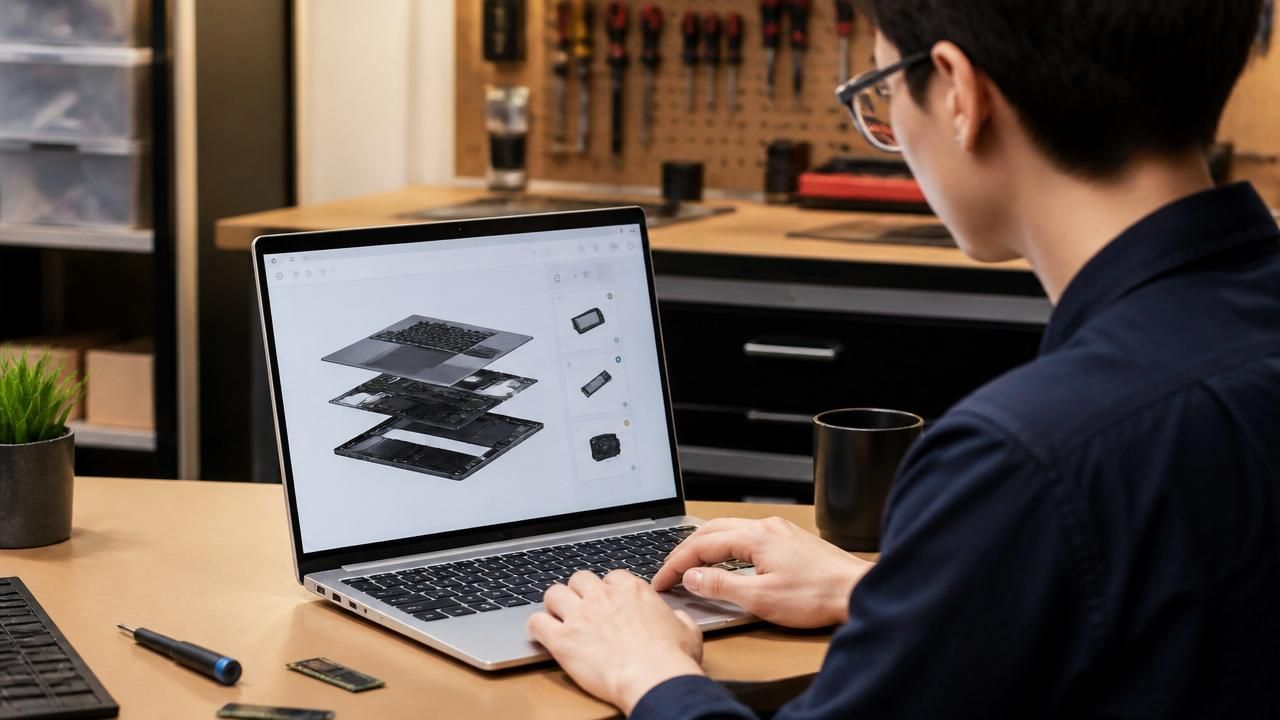
The Laptop 13 Pro uses LPCAMM2 memory modules, a newer, more compact standard that allows for easier upgrades and repairs. Framework has championed this design as part of its mission to reduce e-waste and extend laptop lifespans. However, the supply chain for these modules is still maturing, making them vulnerable to price volatility. Ars Technica reported that the CEO acknowledged the challenge, calling it a 'crisis' that forced the company's hand.
Redesigned Chassis and Linux Appeal
Despite the pricing turmoil, the Laptop 13 Pro itself has been well-received. Tom's Hardware described it as a 'MacBook Pro for Linux users,' featuring a redesigned chassis and Intel Core Ultra Series 3 processors. The machine aims to offer premium build quality with the flexibility of open-source software. Framework's hands-on impressions from Nordic IGN praised the customization and power, while Ars Technica highlighted the company's broader vision for modularity across laptops and mini-PCs.
Framework has also been iterating on its larger Laptop 16 model, which now supports upgradeable GPUs like the RTX 5070. Reviews from Tom's Hardware and Ars Technica note that the design has matured, shedding its 'unfinished prototype' look. Meanwhile, the Framework Laptop 12, aimed at education and budget users, has drawn cautious optimism—Ars Technica said they're 'excited to see what the 2nd generation looks like.'
Industry and Consumer Impact
The RAM pricing crisis underscores broader supply chain challenges in the tech industry, particularly for niche components. Framework's decision to pass on costs rather than absorb them reflects the razor-thin margins in hardware manufacturing. Consumer NZ noted that Framework's entry into the New Zealand market signals a shift toward longer-lasting devices, but the price hike could dampen enthusiasm.
For preorder customers, the situation is frustrating. Some may receive 16GB instead of 32GB, or pay nearly double for the higher capacity. Framework is offering refunds or cancellations, but the disruption highlights the risks of early adoption. As one analyst put it, 'Framework is fighting for a future where laptops don't become e-waste, but they're learning that the supply chain isn't ready for that future yet.'
Looking Ahead
Framework's CEO has promised to work with suppliers to stabilize pricing, but no timeline has been given. In the meantime, the company continues to push its modular vision, with the Laptop 13 Pro representing its most premium offering yet. Whether consumers will accept the higher costs remains to be seen, but the company's commitment to repairability and upgradeability has earned it a loyal following.
As the tech world watches, Framework's RAMageddon serves as a cautionary tale about the fragility of supply chains—and the price of innovation.